Digital Hate Is Growing: Why Rising Anti-Banyarwanda Narratives Should Alarm East Africa
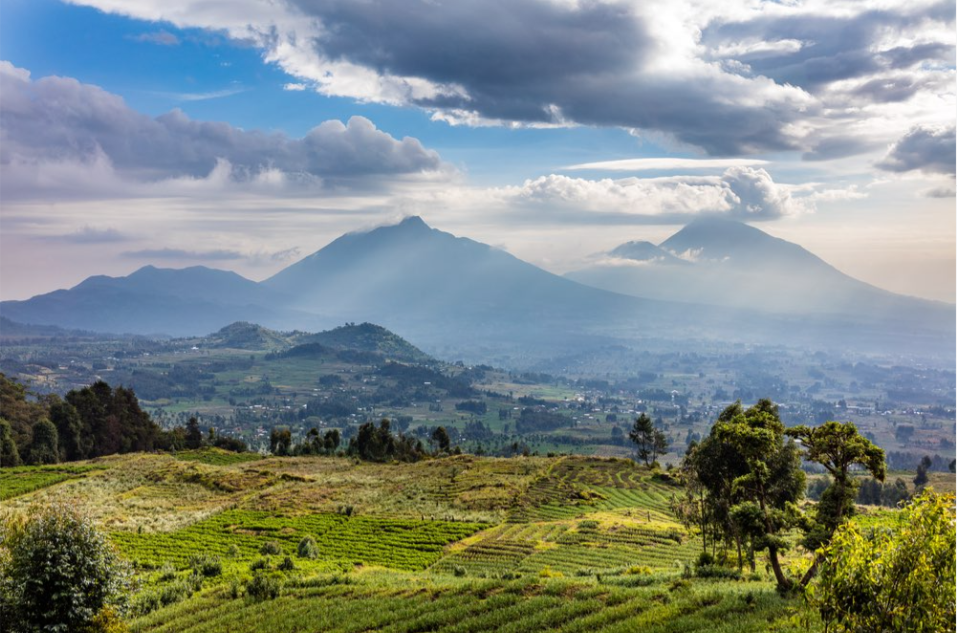
Photo: Exploringwild.com
By TOP AFRICA NEWS Investigator
In the green hills where Uganda meets Rwanda, mist often clings to the volcanoes and terraced fields at dawn. Peaceful borders, shared histories of trade, migration, and even the bush war that shaped modern East Africa. Families intermarried across lines. Children grew up calling each other brothers. Yet beneath the surface of diplomatic handshakes and MoUs signed in 2026, a quieter, digital war simmers—one rarely captured by mainstream outlets focused on state visits and economic pacts.
On X, in comment threads and viral videos that spread like bushfire, an untold story unfolds: the gradual, grain-by-grain construction of suspicion and outright hate directed at Rwandans and, more pointedly, at Banyarwanda—Ugandans of Rwandan origin who have lived in the country for generations.Consider the timeline of an ordinary evening in Kampala. A young man named David, tired from hustling in the matatu business, scrolls his phone under the dim glow of a streetlight. His feed fills with posts that started as isolated complaints but now echo across thousands of accounts.
“One of the reasons why I hate Banyarwanda,” reads a recent caption attached to a photo, the kind that racks up quick likes and retweets. Another thread accuses: “Those are not Ugandans they’re Rwandese act like Ugandans… they’re many named Ugandan names but they not.” Users debate passports, names, and appearances—claiming some obtain Ugandan documents while harboring loyalties elsewhere. “We will sieve out the Gashumba’s who leech off our kindness while claiming another country,” one post declares, referencing prominent voices in the Banyarwanda community.
The spark often traces back to figures like Frank Gashumba, a vocal advocate highlighting documented challenges faced by some Banyarwanda: difficulties obtaining or retaining national IDs and passports, sometimes linked to names or physical features that authorities flag during registration drives. Recent controversies, including viral videos around citizenship questions for individuals like Dr. Lawrence Muganga and Gashumba’s own political positioning (including his removal from a leadership role in the Patriotic League of Uganda), ignited fresh waves of online backlash. Critics frame these grievances as evidence of dual allegiance or even subversion, tying them loosely to broader regional tensions in the DRC where both Uganda and Rwanda face accusations of involvement with armed groups.
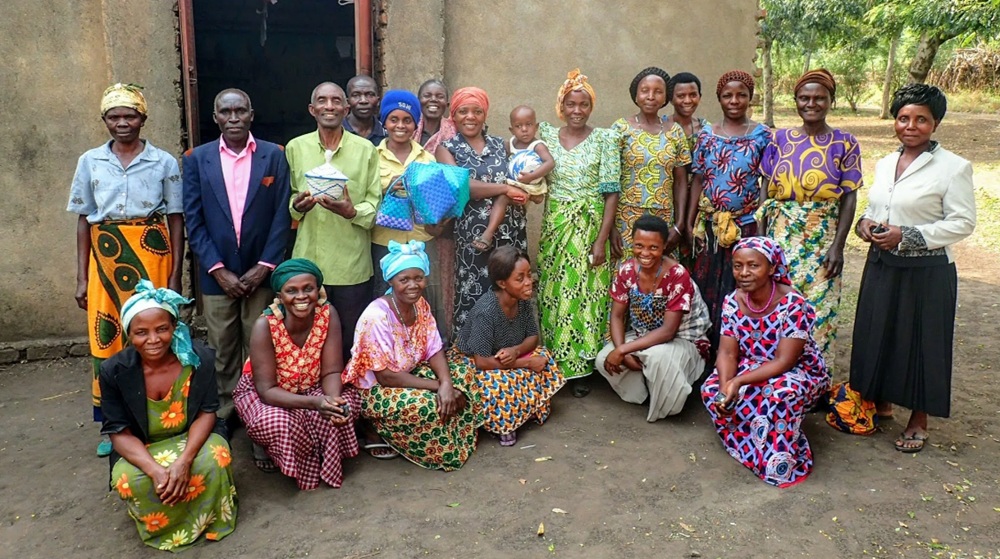
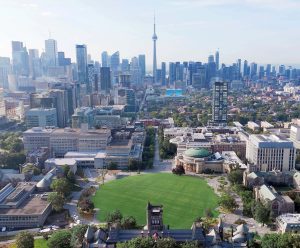
The landscape they share looks serene from above—the rolling hills and distant peaks of the border region—but the digital air crackles with division. Mainstream media reports the cooperation: joint patrols, health MoUs, efforts to ease trade. It rarely dives into the granular, often anonymous quarrels where resentment is rehearsed daily.
There, the narrative builds cumulatively: every citizenship hiccup becomes proof of infiltration; every successful Banyarwanda business owner becomes a symbol of unfair advantage; every political statement from advocates like Gashumba is twisted into evidence of hidden agendas.Not everyone joins the chorus. Some Banyarwanda voices push back, sharing personal stories of discrimination while affirming deep roots in Uganda—“I’m also a Munyarwanda… but my only home is Uganda.” Moderates, including some from the community itself, issue quiet warnings: videos and heated posts risk “creating an Us Vs them situation” that thickens tribal lines and echoes dangerous patterns from the past. “Majority of Ugandans are not even bothered by our existence,” one reflective post noted, urging calm amid the noise.
Yet the algorithm rewards outrage. Threads multiply. Real-world echoes follow: heightened scrutiny at offices issuing documents, wary glances in markets, whispered conversations in workplaces about “who really belongs.” For families with mixed heritage, the online quarrel becomes personal—relatives unfollowing each other, arguments at dinner tables sparked by a single viral clip.This is the undivulged scenario social media reveals while traditional reporting stays on the diplomatic surface. It is not yet widespread street violence or official policy of exclusion. It is something slower and more insidious: the steady construction of “otherness” among people who, for decades, have been neighbors, colleagues, and yes, brothers. Economic frustrations, political maneuvering, and the easy anonymity of the feed provide fertile soil. Historical rivalries—once managed through dialogue—get reframed through the lens of current flashpoints like identity registration and regional security concerns.
In the end, the story on X is not just about Ugandans versus Rwandans. It is about how quickly shared humanity erodes when grievances, real or perceived, are weaponized in the comments section. The hills remain green, the borders open for now. But in the invisible architecture of likes, shares, and heated replies, a different future is being quietly drafted—one quarrel at a time.The media may not headline it. The presidents may sign agreements. But the feed never sleeps. And in its glow, the seeds of division between brothers continue to take root.
About The Author


SUBSCRIBE TO OUR NEWSLETTER