Over 560 Million in Sub-Saharan Africa Still Lack Electricity, New Report Warns
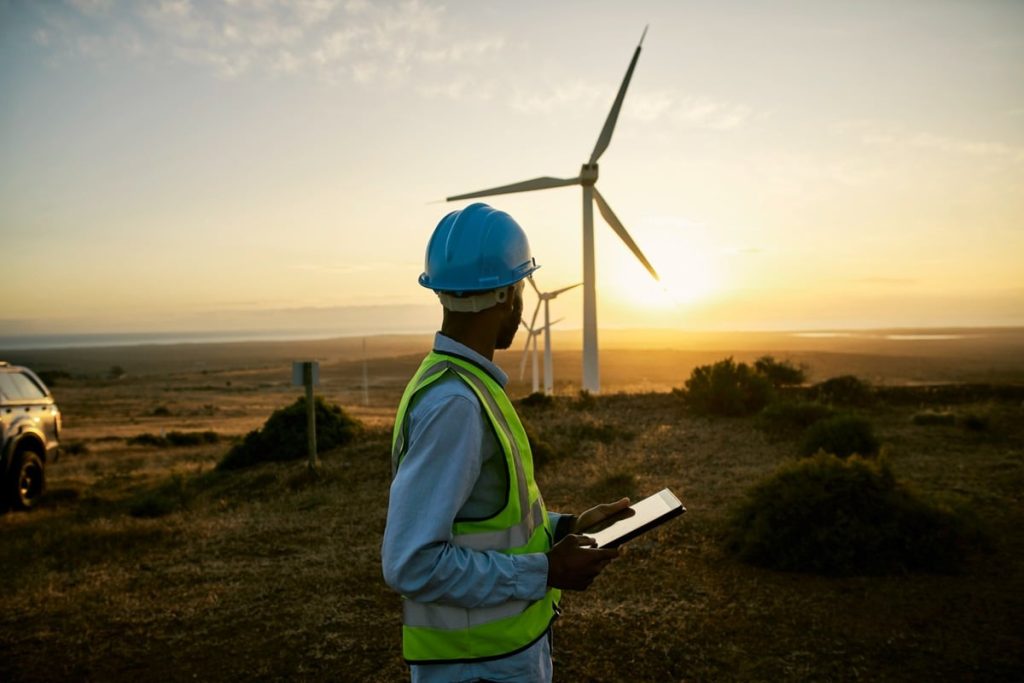
More than half a billion people in Sub-Saharan Africa still live without electricity, while nearly one billion lack access to clean cooking, threatening the region’s chances of achieving universal energy access by 2030, according to the latest Tracking SDG 7: The Energy Progress Report.
The report, based on 2023 and 2024 data, shows that although global progress toward affordable, reliable and sustainable energy continues, advances in Sub-Saharan Africa have slowed significantly. It estimates that over 560 million people in the region remain without electricity, while 970 million continue to rely on polluting fuels and technologies for cooking, exposing them to serious health risks.
Globally, 655 million people still lack electricity, and around two billion people have no access to clean cooking. To meet the 2030 target under Sustainable Development Goal (SDG) 7, the report says the pace of electrification in Sub-Saharan Africa must triple.
Despite the setbacks, the report highlights encouraging progress in renewable energy. Renewable sources now account for more than 30 percent of global electricity generation, while renewable energy capacity reached a record 544 watts per person worldwide. International public financing for clean energy also rose slightly to US$24.6 billion in 2024.
However, financing remains a major challenge, particularly for the world’s poorest countries. Clean energy funding to the least developed countries fell by 11 percent to US$3.7 billion in 2024, raising concerns over the ability to expand energy access where it is needed most.
The report identifies affordability as another key obstacle. Even where electricity infrastructure exists, many households cannot afford connection fees, wiring costs or basic energy services. It calls for targeted subsidies, innovative financing and cost-effective electrification solutions to ensure vulnerable communities are not left behind.
Access to clean cooking remains the largest energy gap, with an estimated two billion people still depending on charcoal, firewood, kerosene and other polluting fuels. Without stronger action, the report warns that 1.8 billion people could still lack clean cooking by 2030. Household air pollution linked to these fuels causes an estimated three million deaths every year.
The report also notes that progress on energy efficiency is slowing, while renewable energy expansion remains uneven between high-income and low-income countries.
It urges governments to strengthen political leadership, increase investment in renewable energy, improve policy implementation and prioritize underserved communities to accelerate progress before the 2030 deadline.
About The Author


SUBSCRIBE TO OUR NEWSLETTER