Rwanda’s Blind People Regain Independence as Families Urged to Challenge Stigma
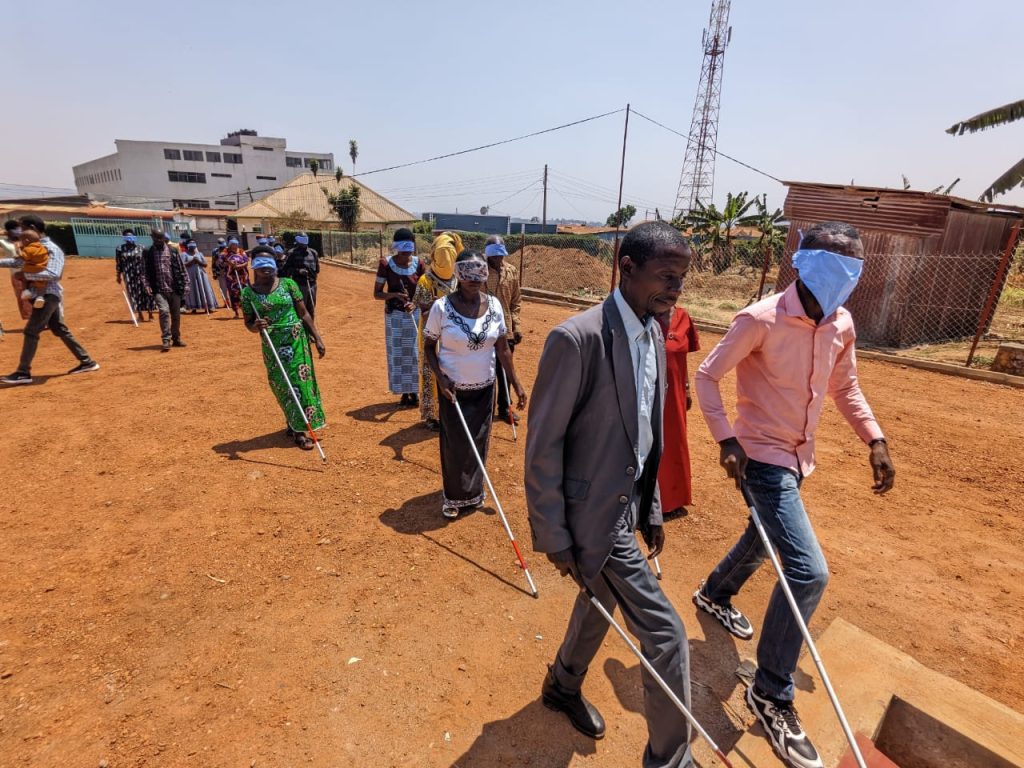
For families of people who are blind or partially sighted, the journey toward independence can begin with something as simple as learning how to move safely, cook, wash clothes or read Braille.
But according to the Rwanda Union of the Blind (RUB), rehabilitation alone is not enough. Families and communities also need to understand the abilities and rights of people with visual disabilities if they are to live independently and with dignity.
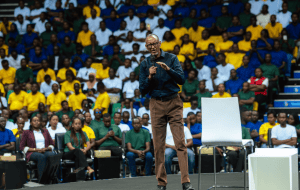
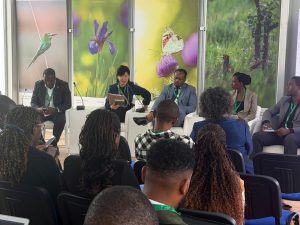
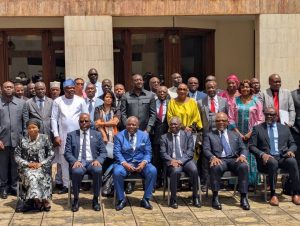
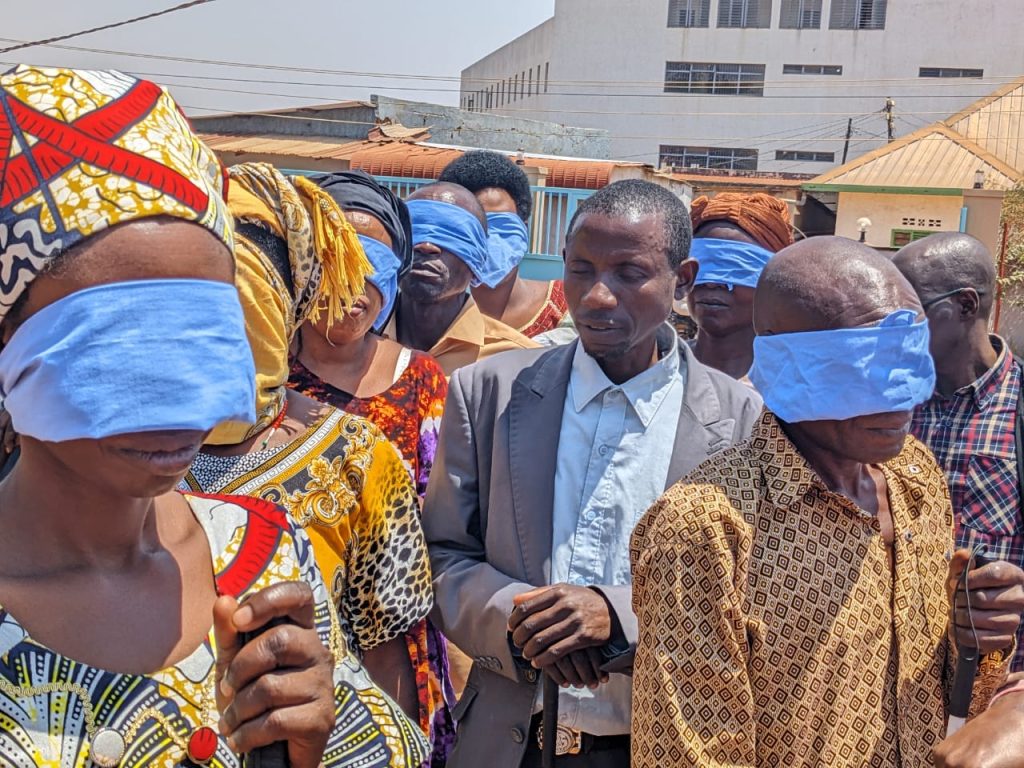
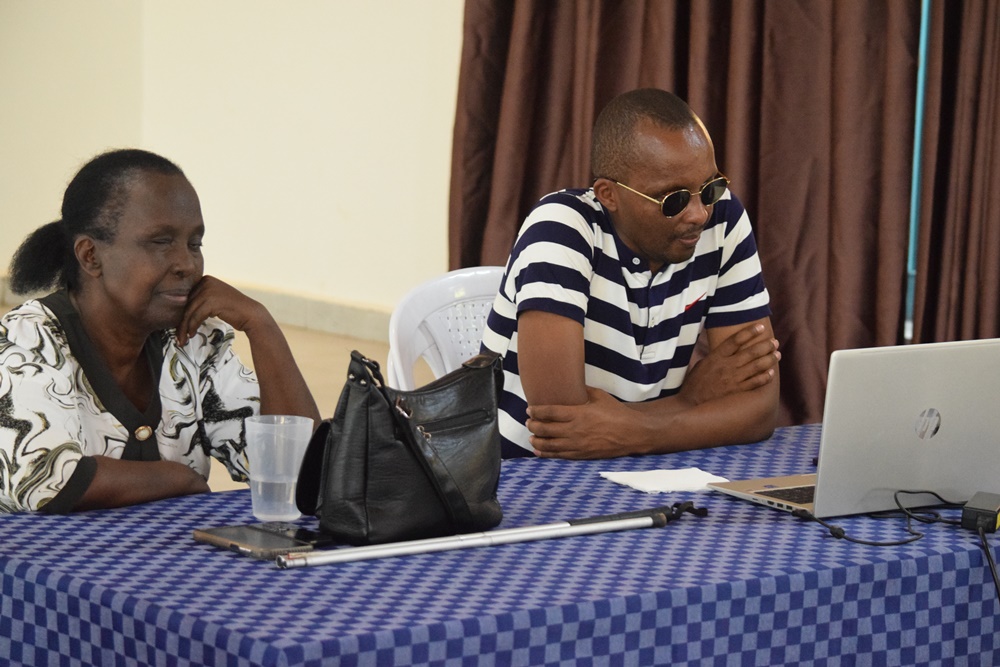
This was one of the key messages emerging from a gathering of families, caregivers and blind and partially sighted graduates held on August 14, 2026, at the Masaka Resource Centre for the Blind (MRCB), where participants shared experiences of supporting people with visual disabilities and discussed the changes brought about by rehabilitation.
The event, organized by RUB, brought together spouses of people with visual disabilities, relatives, parents of children with visual disabilities, and blind and partially sighted people who had undergone rehabilitation at MRCB.
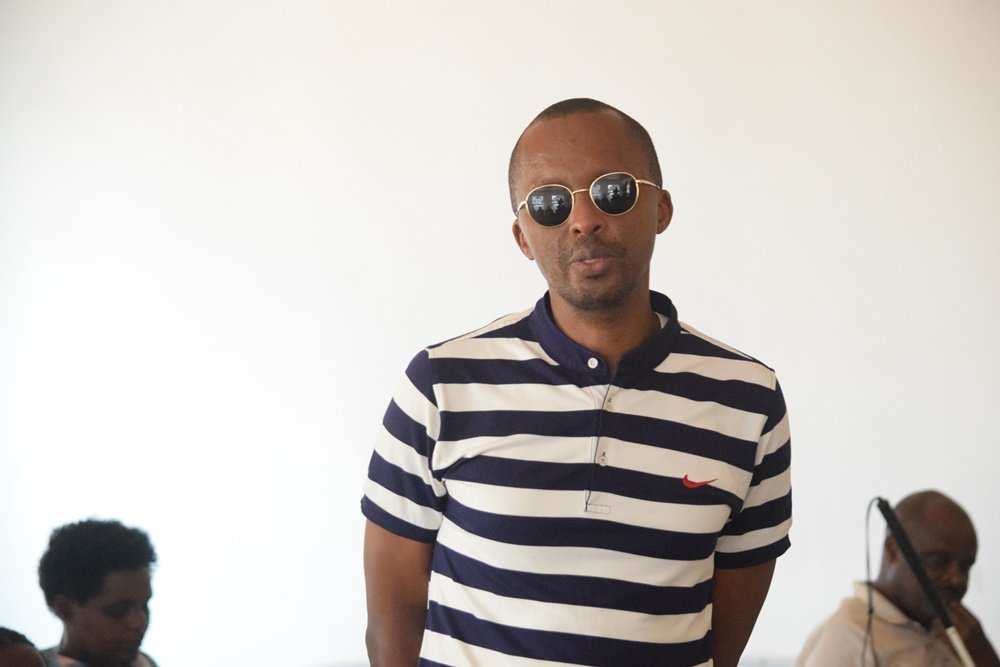
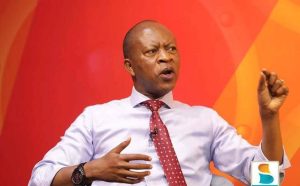
According to Mugisha Jacques, Executive Director of RUB, the gathering was intended to create a space where families could exchange experiences, discuss challenges they encounter in their communities and learn more about the capabilities of people with visual disabilities.
“We gathered to share experiences and information, but also to hear about the challenges families face in different communities,” Mugisha said.
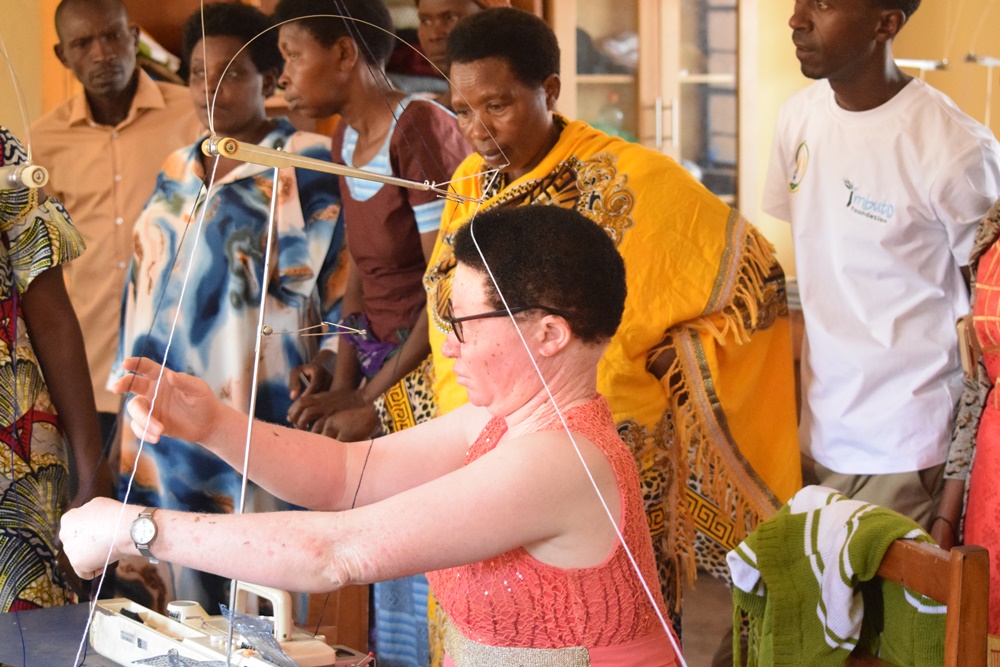
He said MRCB plays an important role in preparing blind and partially sighted people to return to everyday life by equipping them with practical and vocational skills.
The broader goal, he said, is to ensure that people with visual disabilities, whether they have undergone rehabilitation or not, continue to see themselves as capable people with rights who can live with dignity within their communities.
From dependence to independence
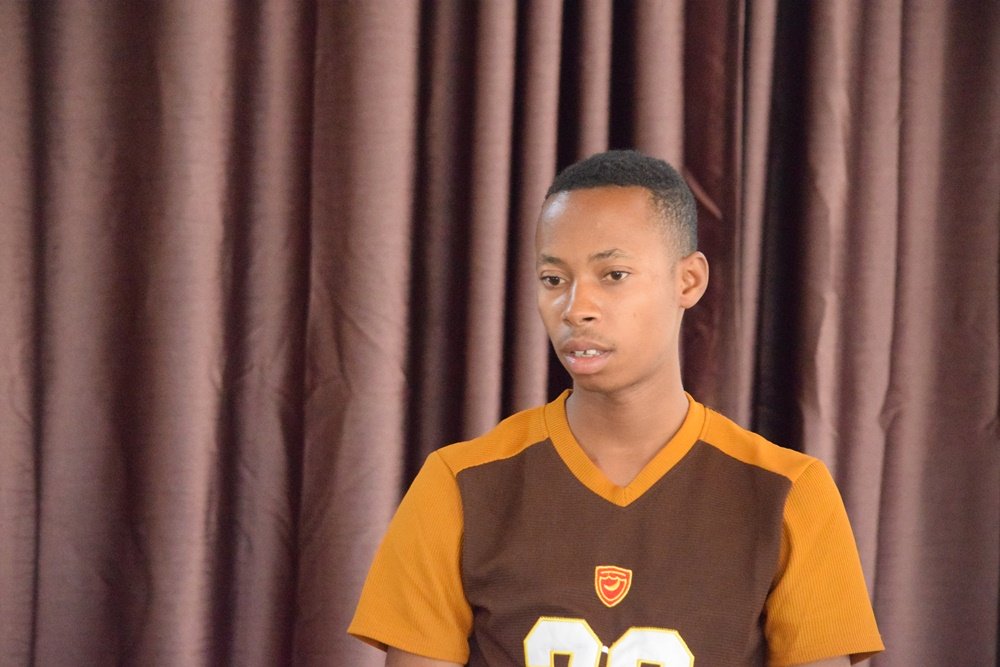
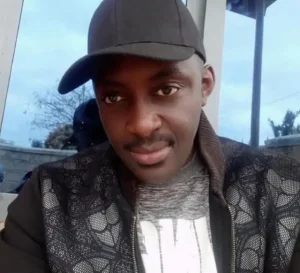
For 25-year-old Patrick Iyamuremye from Kamonyi District, the loss of his sight initially made it difficult to imagine returning to an independent life.
Patrick became blind on December 29, 2025. After seeking treatment at the Bishenyi Eye Hospital, he was referred to MRCB.
At first, however, he struggled to accept the idea of joining a rehabilitation centre.
“I found it difficult to accept what had happened to me. I initially refused to come to MRCB and stayed at home for about two weeks,” he said.
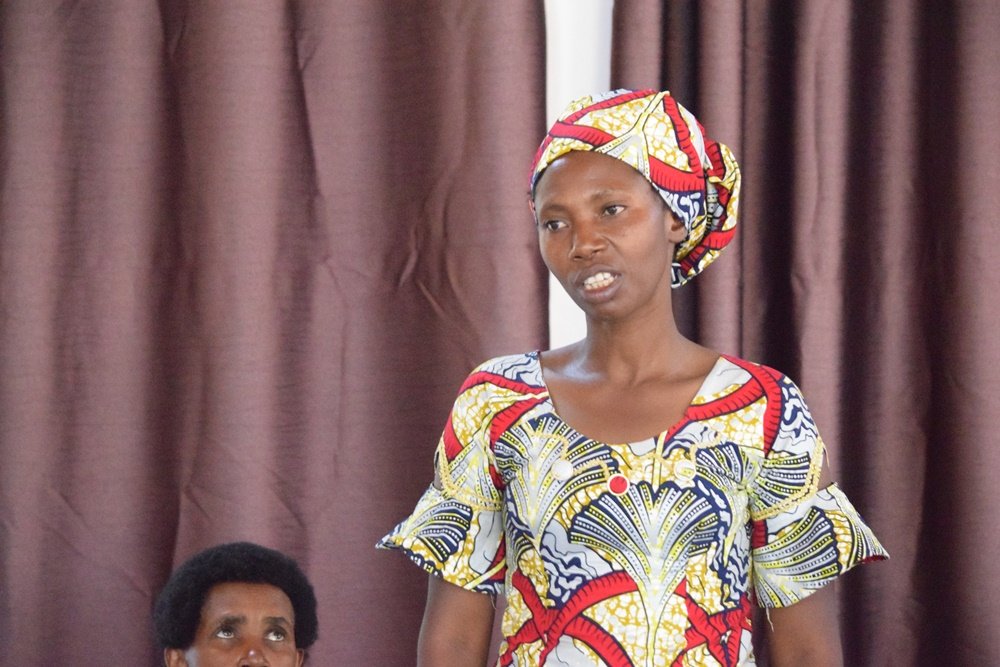
His mother, Ancille Mukabagorora, eventually encouraged him to visit the centre.
Once there, Patrick met other people living with visual disabilities and began learning skills that would later change his daily life.
He learned Braille, mobility skills and practical activities including laundry, cooking, agriculture and livestock farming.
“Now I can walk on the road without any problem,” Patrick said.
The changes have also affected his life at home.
Before going to MRCB, he depended on his mother for activities such as washing his clothes and bathing. After rehabilitation, he began doing these things himself.
“Now I can do my laundry myself. Before I came here, my mother used to do it for me. I can also bathe myself. Now I do almost everything on my own,” he said.
For his mother, the transformation has been equally significant.
“When my son became blind, it was difficult for both of us. Even when they gave him a white cane, he initially refused to accept it,” Mukabagorora said.
She eventually insisted that he visit MRCB after learning about the centre through a friend who had completed rehabilitation there.
“Since he came to this centre, he talks with his relatives, he has morale, and many things have changed,” she said.
Families learning to see ability, not disability
Mugisha said the experiences shared during the gathering showed that rehabilitation can change not only the lives of blind people but also how their families perceive them.
He cited the example of a child with visual impairment who had been attending a mainstream school but faced bullying because teachers and classmates did not understand his condition.
According to Mugisha, the child had limited vision and classmates would deliberately put dirt in his food to test whether he could see it. Because he could sometimes notice what they were doing, the child became distressed and developed behavioural problems before eventually leaving school.
His parents, Mugisha said, did not initially understand what had caused the change.
After coming to MRCB, however, the child underwent rehabilitation and experienced a significant transformation. He became happier, while his parents also became more confident in supporting him.

Mugisha said the experience demonstrated the importance of ensuring that families, schools and communities have accurate information about visual disabilities.
He also shared the story of a woman whose husband became blind later in life.
Following his loss of sight, relatives and neighbours questioned whether he would still be able to support his family. Some even encouraged his wife to leave him.
She refused and continued supporting her husband until he joined MRCB, where he received rehabilitation and learned practical skills.
According to Mugisha, the man later regained confidence and became an active and productive member of both his household and community.
“These experiences show us that rehabilitation can make a significant difference. People who initially appear to be dependent can regain confidence and become impactful in their families and communities,” he said.
More awareness needed in communities
Despite the progress, RUB says there is still a significant need to improve public understanding of visual disabilities.
Mugisha said some harmful attitudes are not necessarily driven by deliberate discrimination but by a lack of accurate information.
He called for more awareness activities through existing community platforms, including public meetings, Umuganda, parents’ evenings and other forums where families and community members can receive information.
He also urged stronger involvement of government institutions, including those working in education, health and social development, so that the experiences of people with visual disabilities can inform policies and programmes.
RUB believes such collaboration could help ensure that people with visual disabilities are not excluded from opportunities because of misconceptions about what they can or cannot do.

The family gathering at MRCB therefore served not only as a meeting for relatives and graduates, but also as a reminder that independence for people with visual disabilities depends on more than rehabilitation skills.
It also requires families that believe in their abilities, schools that understand their needs and communities that recognize their rights.
For Patrick, the difference is already visible in his everyday life.
From relying heavily on his mother after losing his sight to washing his own clothes, moving independently and carrying out household activities, he says rehabilitation has helped him regain control over his life.
His experience illustrates the central message RUB sought to share with families: blindness may change how a person performs everyday tasks, but with appropriate rehabilitation, support and opportunity, it does not have to determine what that person can achieve.

About The Author

SUBSCRIBE TO OUR NEWSLETTER