Police Set Rally Rules as Kenya’s 2027 Campaign Season Starts Early
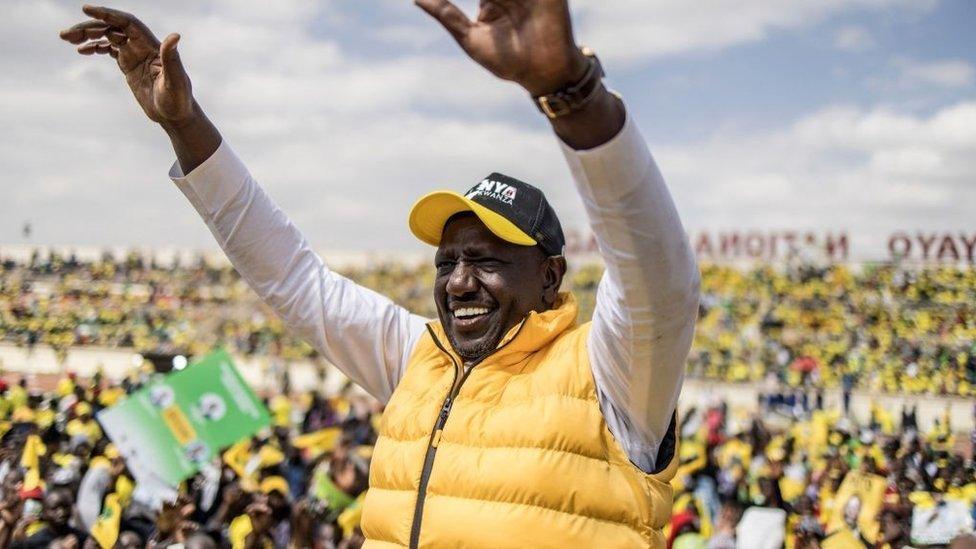
Kenya’s political temperature is rising a year out from the 2027 general election, and the National Police Service has moved to tighten the rules of engagement before the campaign season fully ignites.
On Saturday, Kenyan police reminded politicians and rally organisers that they must give notice of public meetings and processions between three and 14 days in advance. Organisers are required to supply venue, route, date and time details. Officers also reserved the right to cancel or postpone events they judge to pose a security risk. The reminder was framed as enforcement of the existing Public Order Act rather than new legislation, but the timing was unmistakable: parties are already testing crowds, crossing regional lines and trading accusations that the other side is preparing “goons.”
The announcement landed in a crowded political week. President William Ruto used public appearances to dismiss opposition criticism of government projects as empty “chest-thumping.” Interior and National Administration figures, including Deputy President Kithure Kindiki, projected confidence that the broad-based administration would again win public support. At the same time, Nairobi Senator Edwin Sifuna has become a sharper focal point of anti-government mobilisation. Clips of Ruto personally criticising Sifuna circulated widely, with supporters of the senator treating the attention as proof of his growing stature inside the Linda Mwananchi current.
Former Deputy President Rigathi Gachagua, now positioning himself independently, was on a United States diaspora tour, meeting Kenyan communities in cities such as Spokane. His movements, like those of other opposition-linked figures planning visits to Nyanza and Western Kenya, have already prompted warnings from local politicians about “outside” mobilisation. The pattern is familiar: early tours, prayer rallies, project launches and pointed speeches that double as 2027 audition tapes.
Security agencies have been sounding quieter but more formal alarms. Officials have pointed to a cocktail of risks—political violence, hate speech, disinformation and disputed election-technology tenders—and warned that failure to confront them could reopen the wounds of 2007–08. The Independent Electoral and Boundaries Commission is reviewing its security handbook. Police leadership has simultaneously defended new uniforms and broader service reforms as part of a professionalisation drive, even as critics argue the same service is being used to police political space more tightly.
The practical effect of the rally rules will be tested in the coming months. Three-to-fourteen-day notice gives authorities time to assess routes, deploy officers and, if they choose, withhold permission. Opposition organisers already complain that similar requirements have been applied unevenly in the past. Government allies counter that unregulated processions have previously spiralled into disruption and that early notice is simply responsible planning.
Beneath the procedural language sits a larger contest. Ruto’s team is trying to lock in development messaging and reclaim restive voting blocs, particularly in Mount Kenya, while simultaneously managing an alliance that now includes parts of the old opposition. Challengers are attempting to convert street energy and diaspora networks into a coherent alternative before formal nominations begin. The police circular is therefore both a security measure and a political signal: the state intends to set the tempo of public gathering rather than let it be set by whoever can fill a park on short notice.
Whether the new emphasis on notice periods reduces tension or simply shifts the battleground to the courts and the streets will become clearer as 2027 draws nearer. For now, Kenya’s politicians are already campaigning, the police have published the rulebook, and the public is watching to see whose meetings get the green light.
About The Author


SUBSCRIBE TO OUR NEWSLETTER