East Africa Grain Shortfalls Meet New Climate and Agribusiness Finance
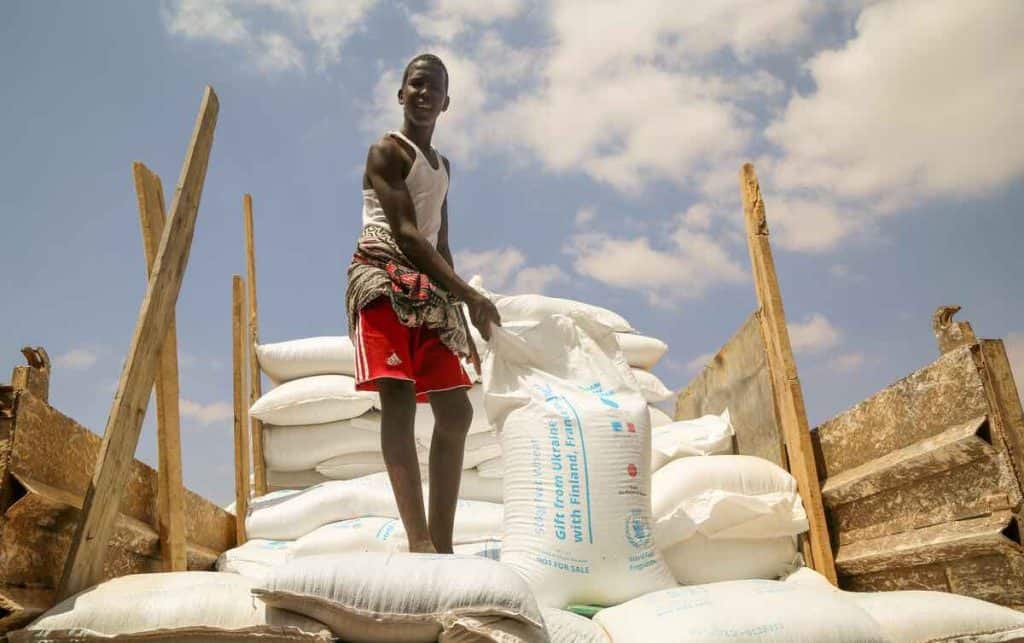
PHOTO: INTERNET
Nairobi / Kigali — 5 September 2026: East African farmers and agribusinesses face a split picture this week: sharp production losses in Kenya’s grain belt, delayed rains in parts of Ethiopia, and a wave of new climate and value-chain finance announced in Kigali.
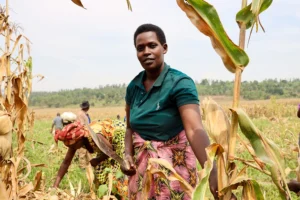
Kenya’s western and North Rift maize and wheat fields took the hardest hit. An unexpected dry spell from early June through late July destroyed nearly half the planted area in key surplus counties, including Uasin Gishu, Trans Nzoia and Nakuru. Surviving stands are expected to yield up to 35 percent less. National maize output from the long rains is now projected well below the five-year average. Wheat production estimates have been cut sharply, leaving the country planning record imports of both grains to keep millers, feed compounders and households supplied. Farm-gate and market maize prices have already jumped, and Kenyan demand is lifting prices in Uganda.
The feed industry faces extra pressure because of Kenya’s GMO restrictions, which may force greater use of alternative non-GMO ingredients such as sorghum. Regional exportable surpluses are tighter than hoped: eastern Uganda suffered weather damage, and Tanzania’s maize surplus available for export is forecast at only 800,000 tonnes.
Kenya is simultaneously trying to expand production outside the traditional grain basket. Agriculture officials outlined a Coast Region plan targeting Lamu, Tana River, Kwale, Kilifi and Taita Taveta, with a “farm-to-port” focus on coconut, cashew, cassava, cotton, milk and meat. The strategy leans on mechanisation, drones, animal traceability, digital advisory services and local processing. A separate discussion with U.S. partners is looking at university-linked extension to restore practical advice on varieties, soil management, pests and markets. Lower fertiliser prices have already improved margins for some farmers.
In Kigali, the Africa Food Systems Forum produced two financing packages of direct interest to producers and SMEs. A US$200 million climate adaptation facility covering Kenya, Uganda, Tanzania and Rwanda will offer loans and technical support for irrigation, water harvesting, resilient dairy and livestock, post-harvest storage and climate-smart processing. It is designed to reach roughly 260,000 smallholders and 500 rural enterprises, with women and youth given priority. A separate US$10 million facility will back up to 15 early-stage agribusinesses in Ethiopia, Kenya, Rwanda, Tanzania and Uganda working in production, inputs, aggregation and processing.
Ethiopia posted strong official numbers: agricultural exports generated more than US$4.55 billion in the 2025/26 fiscal year, led by coffee, while fertiliser distribution, the Bounty of the Basket livestock programme and continued tree-planting under the Green Legacy Initiative were cited as gains. Some irrigators are switching from diesel to solar pumps to cut costs. The outlook is less comfortable. El Niño is delaying and weakening kiremt rains, raising the risk of below-average meher maize and sorghum in central and northeastern zones. Crisis-level food insecurity is expected to persist in several areas. Researchers are testing reduced-irrigation schedules on cotton and other crops and developing heat- and drought-tolerant varieties that still meet processor quality standards.
Rwanda is preparing 100,000 hectares of conservation agriculture for the next season in anticipation of heavier El Niño rains and is advancing work to cut aflatoxin losses in maize. A regional seed project in Burundi, Somalia, South Sudan and Comoros has produced more than 950 tonnes of early-generation seed, rehabilitated storage and irrigation, and registered over 160,000 farmers on digital early-warning and advisory platforms.
For farmers and agribusiness operators the immediate messages are practical. In Kenya, expect tighter maize and wheat supplies and higher prices into the next marketing year; watch import timing and feed-ingredient alternatives. Across the four ARCAFIM countries, climate-adaptation loans for water, storage and livestock systems are moving from announcement toward design. In Ethiopia, monitor kiremt progress closely and consider water-efficient irrigation and shorter-cycle or more resilient varieties. Region-wide, aflatoxin management, seed quality and conservation practices are moving up the agenda as El Niño conditions develop.
The week confirmed that production risk remains high even where export earnings and policy programmes look positive. Access to working capital, reliable seed, efficient water use and timely market information will decide who absorbs the shock and who does not.
About The Author


SUBSCRIBE TO OUR NEWSLETTER