Kigali Conference Seeks to Turn Africa’s Energy Ambitions Into Investment
Africa’s push to accelerate the transition to cleaner energy must move beyond policy commitments and focus more strongly on investment, local manufacturing, technology access and regional partnerships, energy-sector leaders say.
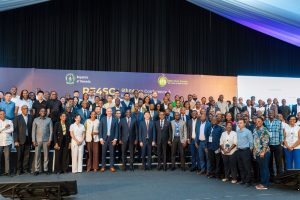
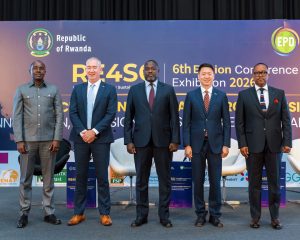
That challenge will take centre stage in Kigali this week as policymakers, investors, private-sector players and energy innovators gather for the sixth Renewable Energy for Sustainable Growth (RE4SG) Conference and Exhibition, scheduled for September 8–10.
The three-day conference, hosted by the Energy Private Developers Association (EPD) in partnership with Rwanda’s Ministry of Infrastructure (MININFRA) and other stakeholders, will bring together actors from across Africa and beyond under the theme, “Accelerating Africa’s Energy Transition: Innovation, Inclusion and Scalable Sustainable Solutions.”
EPD Chief Executive Officer Serge Wilson Muhizi said the conference is intended to turn discussions about Africa’s energy future into concrete investment opportunities and partnerships.
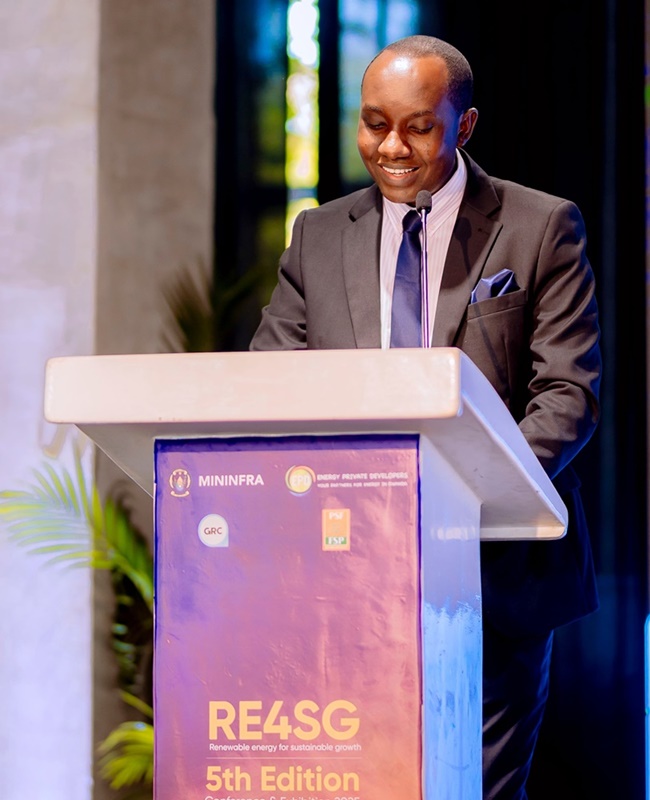
“RE4SG 2026 is not simply a conference; it is a marketplace for turning energy ambition into bankable opportunities, strategic partnerships and measurable impact,” Muhizi said.
He said the continent continues to face gaps in manufacturing capacity, access to technology, supply chains and financing, which can limit the ability of renewable-energy markets to expand.
According to Muhizi, the conference will seek to connect local and international companies with investors and partners capable of addressing those challenges while creating opportunities for African businesses to participate more fully in emerging energy value chains.
“We also want to strengthen regional partnerships so that companies can leverage the scale, capabilities and markets that exist beyond their borders,” he said.
The push comes as African countries seek to expand access to reliable and affordable electricity while increasing the role of renewable energy in their energy systems.
Muhizi said energy solutions should also become more closely aligned with the needs of sectors such as health, mining, education and agriculture, rather than being developed without sufficient consideration of end-user demand.
The conference will therefore place significant emphasis on practical solutions, investment and business connections alongside policy discussions.
From policy to investment
The first day of RE4SG 2026 will focus on high-level policy discussions, including Mission 300, public-private partnerships, Africa-China cooperation and the relationship between energy and food systems.
Participants will also examine Africa’s evolving energy mix, with discussions covering hydropower, solar, methane, hydrogen and nuclear energy, as well as clean cooking.
The second day will shift toward innovation and investment, with technical sessions addressing energy storage, electric mobility, gender and the just energy transition, research and emerging financing mechanisms.
Green bonds and carbon markets will also feature among the financing opportunities under discussion, reflecting growing efforts to mobilize new sources of capital for clean-energy projects.
For Muhizi, however, attracting finance alone will not be enough.
He said Rwanda and other African markets need an ecosystem in which manufacturers, investors and local companies can form joint ventures and build stronger energy value chains on the continent.
“As Rwanda continues to shape the next generation of solar policy, we must create an ecosystem that encourages manufacturers, investors and local businesses to form meaningful joint ventures and build value chains here in Africa,” he said.
Bringing solutions closer to users
The conference will also seek to connect energy-sector players with industries that depend on reliable power to operate and expand.
Muhizi said a more demand-driven approach could help ensure that energy investments respond to the practical needs of sectors such as agriculture, mining, healthcare and education.
This approach is expected to feature alongside discussions on innovation, financing and technology, with participants exploring ways to move renewable-energy solutions from demonstration projects to scalable applications.
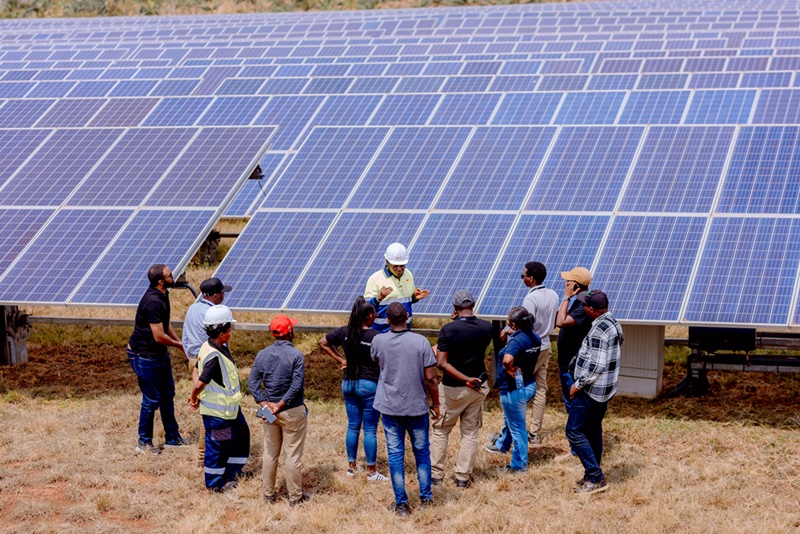
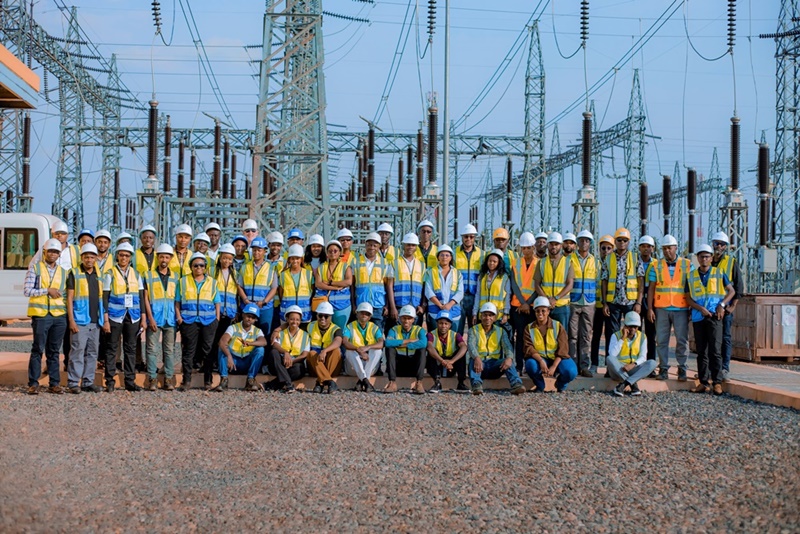
The third day will take participants beyond conference rooms through guided visits to operational renewable-energy and circular-economy projects, providing an opportunity to see technologies and business models being implemented in practice.
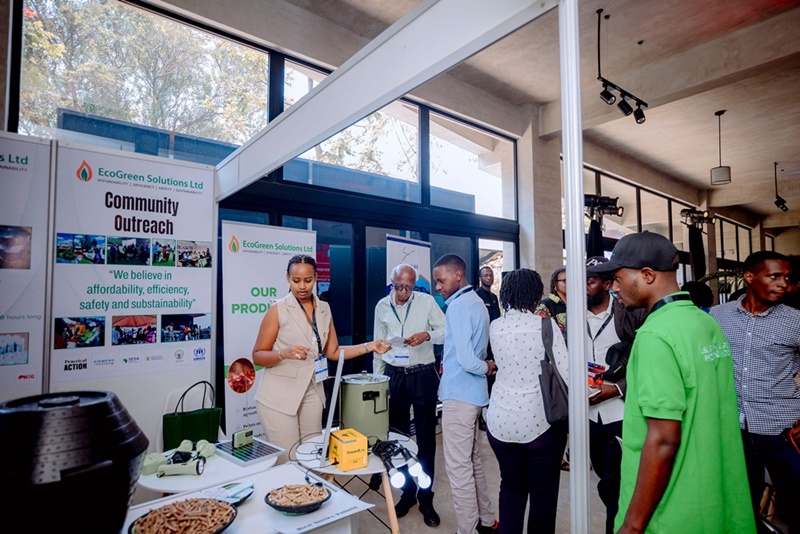
An exhibition running alongside the conference will showcase renewable-energy technologies and services, while structured business-to-business, business-to-government and business-to-consumer sessions are expected to facilitate commercial partnerships and investment.
RE4SG has grown into a major platform for energy-sector engagement in Africa. Across its first five editions, the conference attracted more than 5,000 participants, including policymakers, investors, utilities, private-sector leaders, researchers, development partners, innovators and civil-society representatives.
This year’s gathering comes with an increasingly practical focus: how to turn Africa’s energy-transition ambitions into projects, businesses and partnerships capable of delivering sustainable growth at scale.
About The Author


SUBSCRIBE TO OUR NEWSLETTER