Rwanda Urges Private Sector to Turn Africa’s Energy Potential Into Bankable Projects
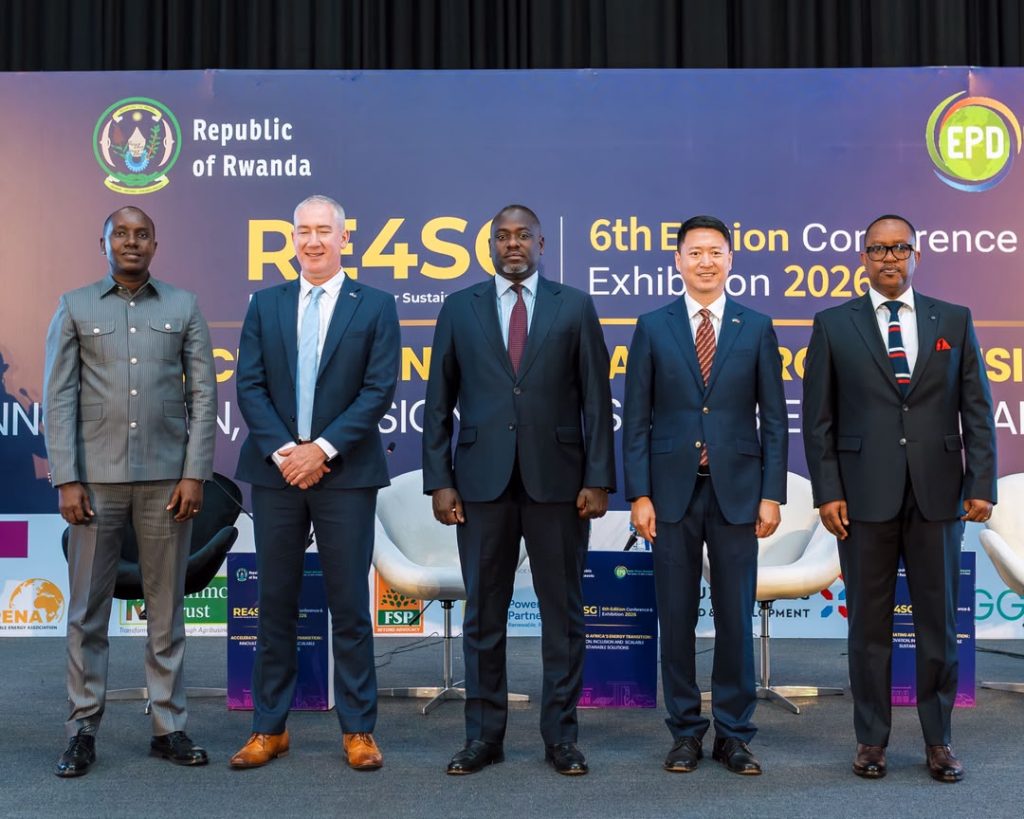
Africa’s energy transition must move beyond ambitious targets and abundant renewable resources to the faster development of bankable projects capable of attracting capital and delivering reliable, affordable power, Rwanda’s Minister of State in the Ministry of Infrastructure, Armand Zingiro, has said.
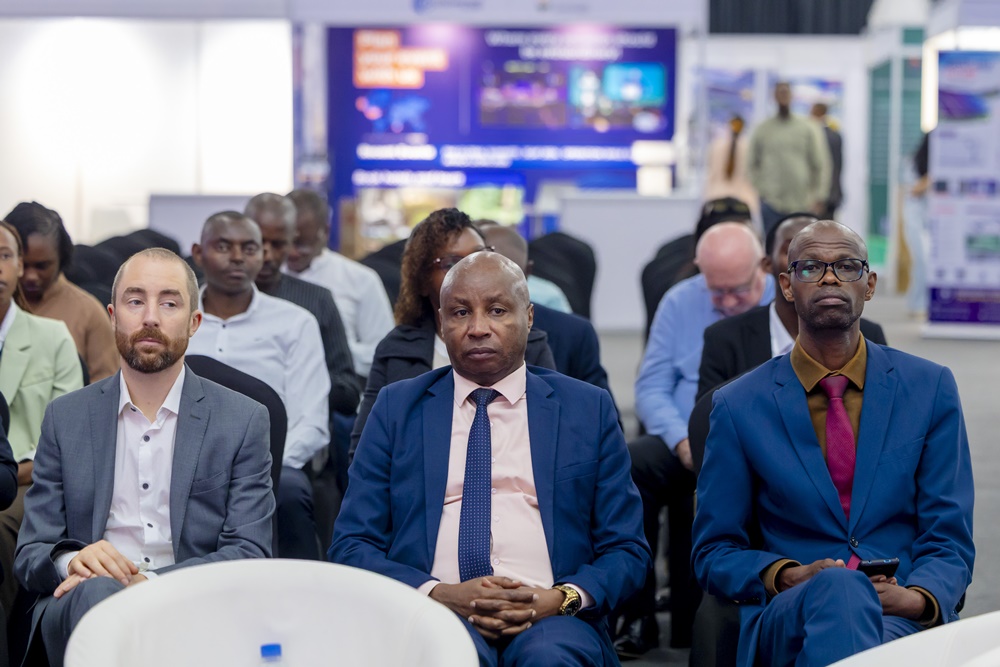
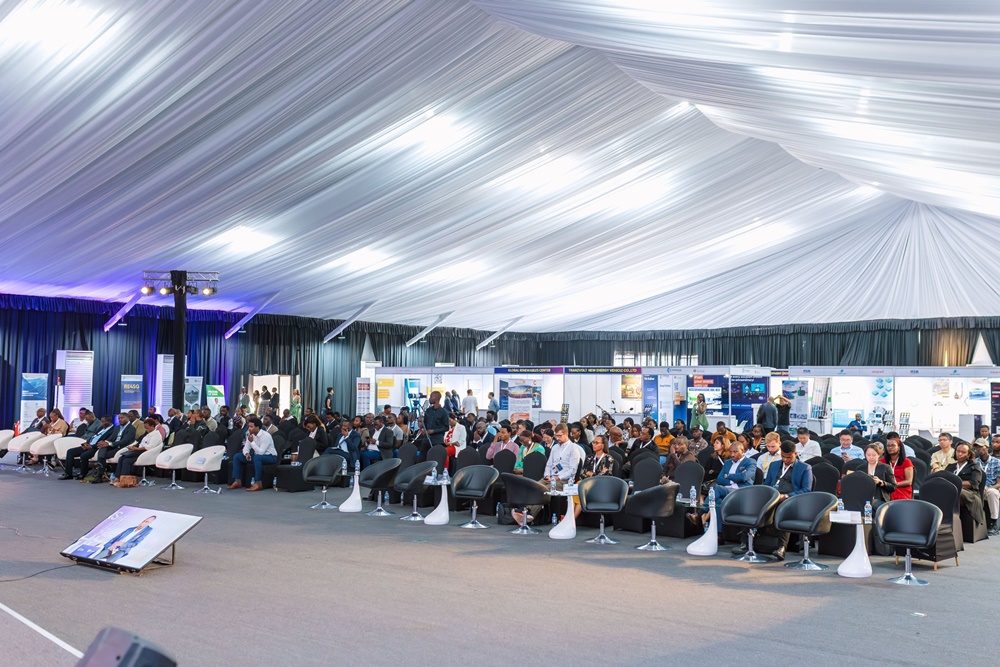
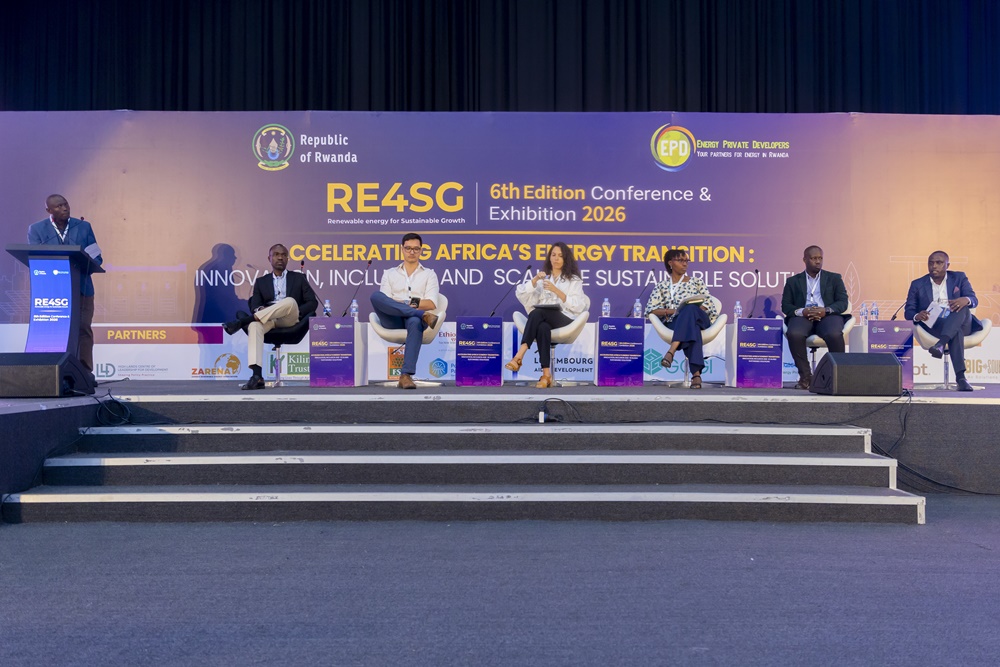
Speaking at the opening of the sixth Renewable Energy for Sustainable Growth (RE4SG) Conference and Exhibition in Kigali on Tuesday, Zingiro said Africa’s main challenge was no longer a lack of energy resources, but the ability to convert those resources into viable projects, mobilize financing and implement them at scale.
“The challenge is no longer whether Africa has energy resources. The challenge is our ability to convert these resources into bankable projects, mobilize the required capital, deploy solutions at scale, and deliver results efficiently and sustainably,” Zingiro said.
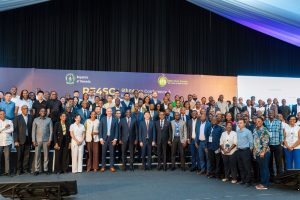
The three-day conference, organized by the Energy Private Developers Association (EPD) in partnership with Rwanda’s Ministry of Infrastructure (MININFRA), brings together policymakers, private developers, investors, financial institutions, technology providers and other stakeholders to discuss investment and innovation in Africa’s energy sector.
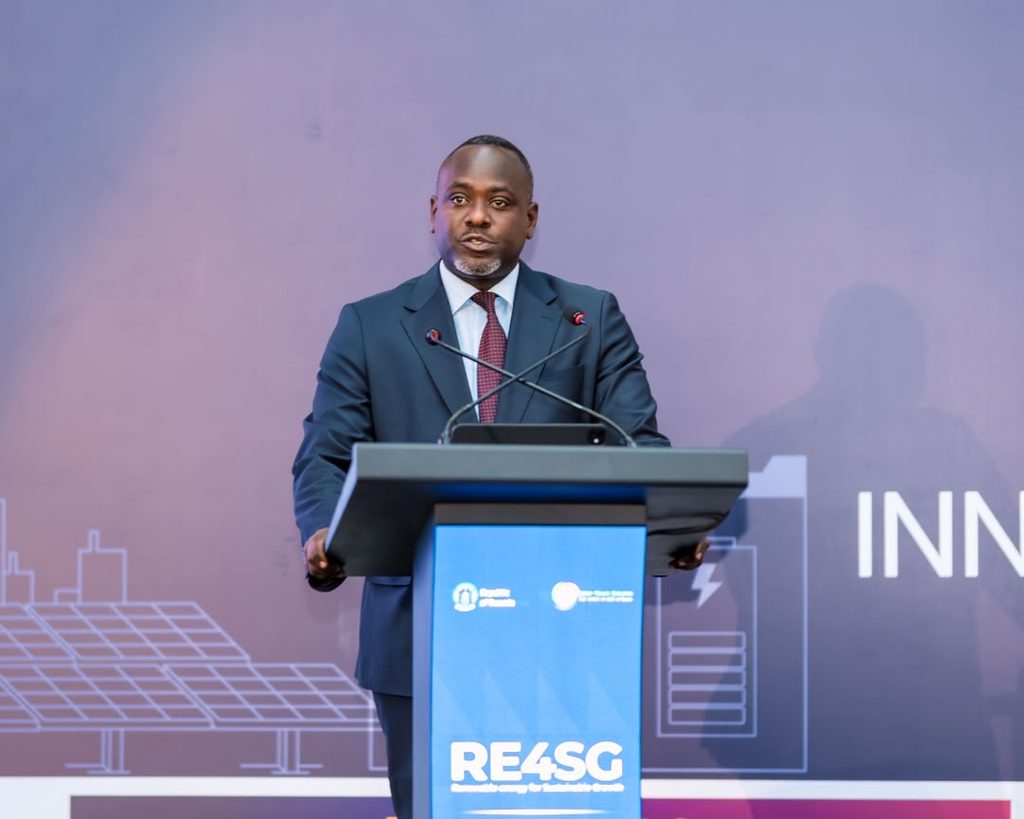
Zingiro said energy should be viewed not simply as another economic sector, but as an enabling infrastructure for industrialization and development, powering businesses, agriculture, healthcare, education and digital transformation.
“Without reliable and affordable energy, our development ambitions remain constrained,” he said.
Rwanda targets universal electricity access by 2029
For Rwanda, the minister said the government has placed energy access, energy security and the transition to cleaner energy at the center of its development agenda.
According to Zingiro, about 86% of households in Rwanda currently have access to electricity, up from 64% five years ago.
He said the country is targeting universal electricity access by 2029, while seeking to increase renewable energy’s contribution to at least 60% by 2030.
Achieving those targets, he said, will require more than government resources.
“It will require private capital, technology, strong institutions, effective partnerships, and disciplined execution,” Zingiro said.
The minister called for stronger collaboration between governments, private developers, financial institutions and development partners, with governments providing predictable policies and regulatory frameworks while financiers develop financing mechanisms suited to African markets.
Development partners, he added, can support the sector through concessional financing, guarantees and other de-risking instruments.
From ideas to implementation
Zingiro said the ultimate measure of Africa’s energy transition should not be the number of commitments made at conferences, but whether those commitments translate into better services and economic opportunities for citizens.
“People need results. They need electricity that is reliable and affordable. They need businesses that can grow. They need jobs and productive opportunity,” he said.
The minister also emphasized that Africa’s energy transition cannot be delivered by countries working in isolation, calling for stronger regional power systems, cross-border infrastructure, harmonized standards and regional investment platforms.
He said international partnerships should also deliver more than infrastructure and technology, arguing that they should contribute to technology transfer, skills development, local enterprise development and sustainable economic growth.
“Africa should be a strategic partner in the global energy transition, not simply a recipient of solutions developed elsewhere,” Zingiro said.
Private developers call for a more predictable investment environment
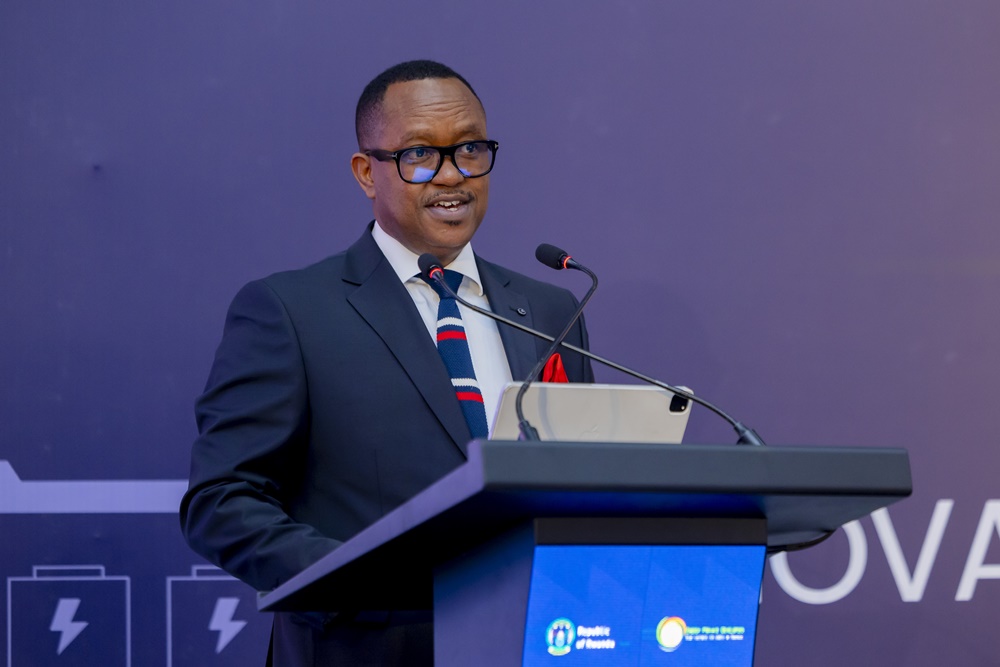
The call for greater private-sector involvement was echoed by Dr. Ivan Twagirashema, Chairperson of the Energy Private Developers Association.
Twagirashema said EPD’s role was increasingly focused on connecting developers with government, investors, financiers, technology providers and markets.
He said renewable energy should be viewed not only as a climate solution but also as an investment and industrial opportunity capable of supporting agriculture, mining, transport, digital businesses and communities.
The association is seeking faster growth across areas including solar photovoltaic systems, solar-plus-storage, hydropower, battery storage, mini-grids, commercial and industrial renewable energy, captive power, clean cooking, e-mobility and energy efficiency.
“The private sector is ready to invest. We are ready to bring capital, technology, innovation, and renewable energy solutions,” Twagirashema said, while calling for greater predictability and bankability in the investment environment.
He pointed to power-purchase agreements, captive-power regulations and project preparation as some of the mechanisms that can help turn renewable-energy ideas into projects capable of reaching financial close.
“A bankable PPA can unlock financing,” he said.
Developers seek room to scale solar solutions
For renewable-energy companies already operating in Rwanda, the challenge is also about creating enough room for businesses to scale solutions and reach more customers.
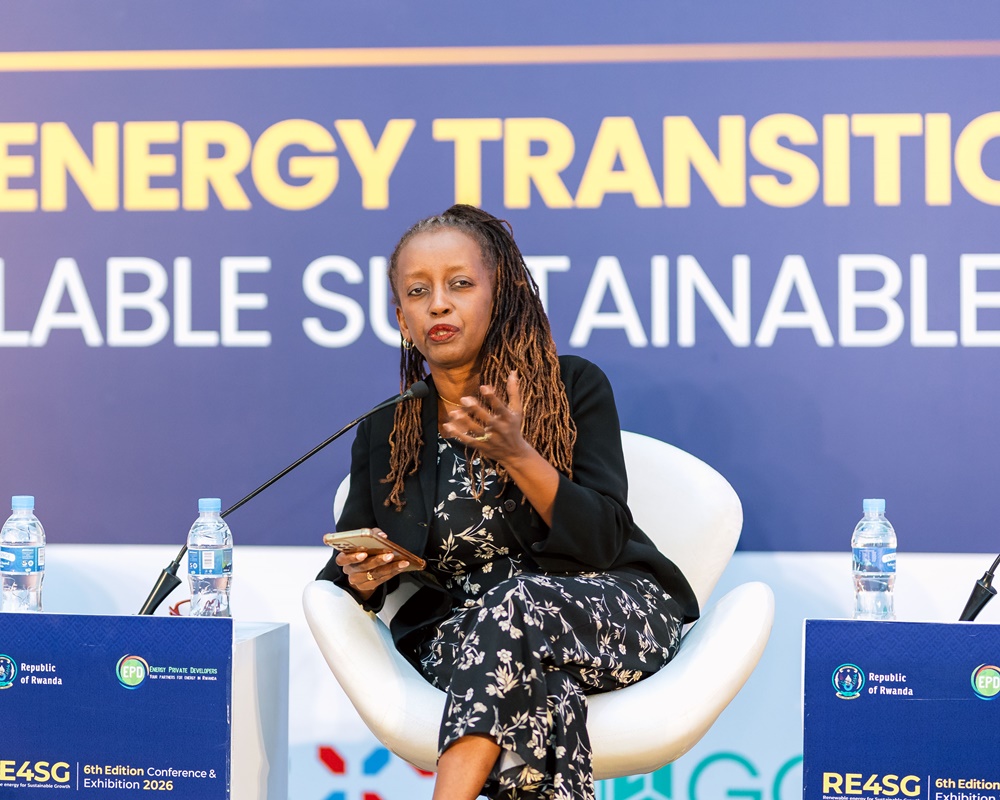
Francine Munyaneza, Founder and CEO of Rwanda-based solar company Munyax Eco, said her company has grown from a small operation into a 32-member team, with women making up 60% of its workforce.
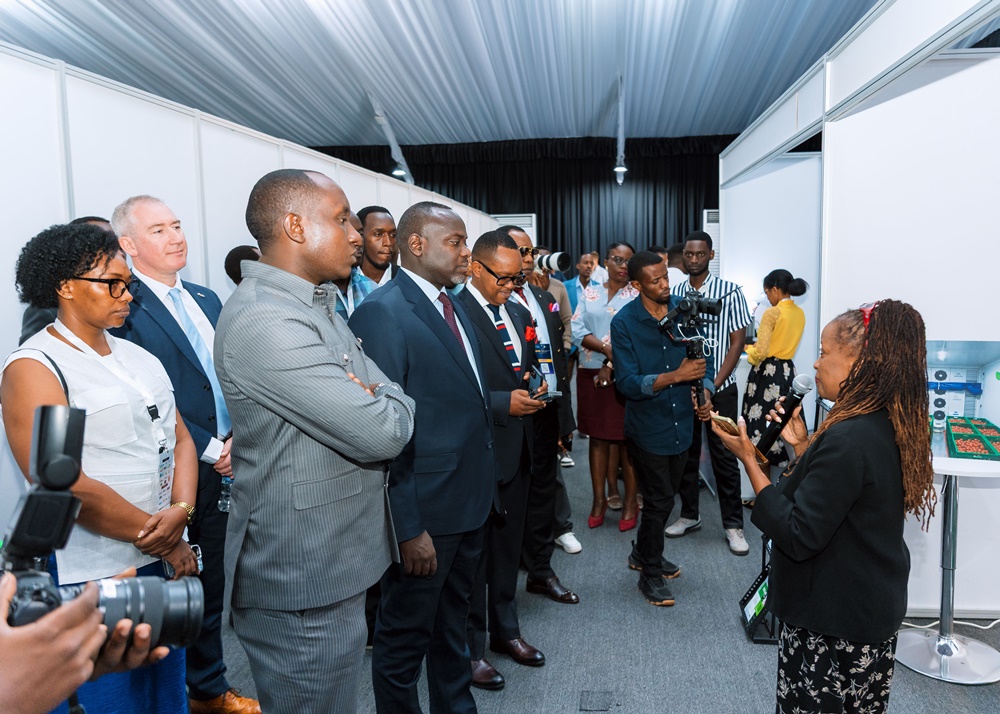
The company provides solar solutions including solar water heaters, rooftop solar systems, solar water pumping and solar-powered cold rooms for agricultural use.
Munyaneza said affordability remains one of the biggest challenges in expanding access to solar technologies, particularly for productive uses such as cold storage.
She said financing mechanisms and greater opportunities for rooftop solar could help expand the market.
“We need more awareness and financing mechanisms to unlock solar’s potential,” Munyaneza said.
She also highlighted the potential of solar-powered cold rooms to help farmers and businesses reduce post-harvest losses, describing affordability as a major consideration in making such solutions accessible.
The discussions at RE4SG are taking place against the backdrop of Africa’s broader push to expand electricity access, including through Mission 300, which seeks to connect 300 million Africans to electricity by 2030.
About The Author


SUBSCRIBE TO OUR NEWSLETTER