Rwanda Tests Digital Tool to Guide Energy Investment and Close Access Gaps
Rwanda is testing a new digital platform designed to help policymakers, energy developers and investors identify where electricity is most needed and determine which energy solutions could deliver the greatest impact.
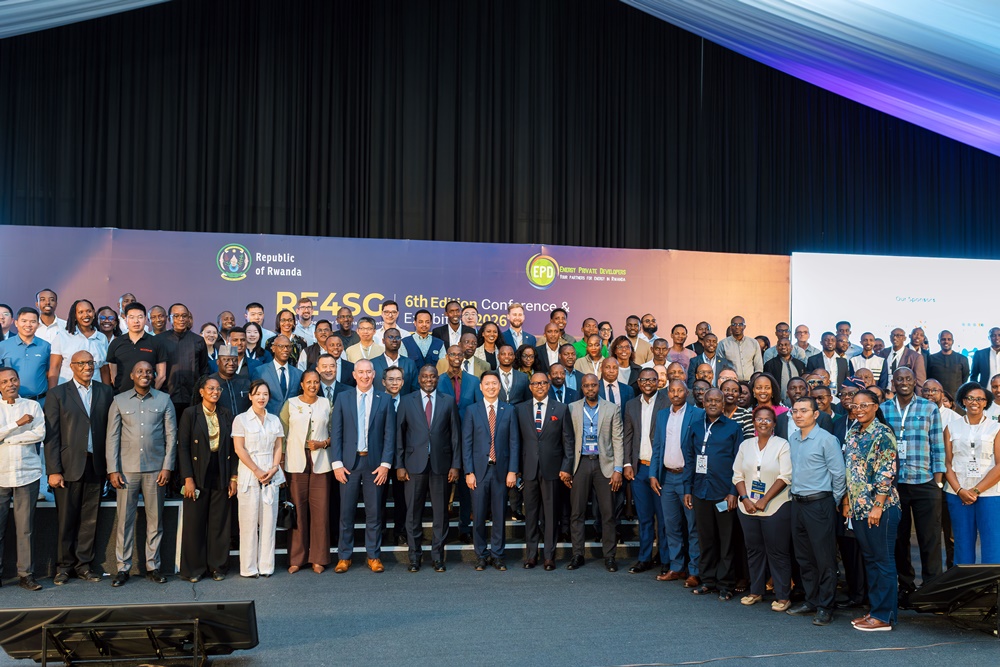
Known as the ‘Energy Access Explorer (EAE)’, the interactive, geospatial platform was soft-launched in Kigali on Tuesday during the sixth Renewable Energy for Sustainable Growth (RE4SG) Conference and Exhibition.
The platform brings different energy-related datasets together on a single map, allowing users to visualize where people live, where schools and health facilities are located, where agricultural and other productive activities take place, and how these areas relate to existing electricity infrastructure.
READ ALSO: Rwanda Urges Private Sector to Turn Africa’s Energy Potential Into Bankable Projects
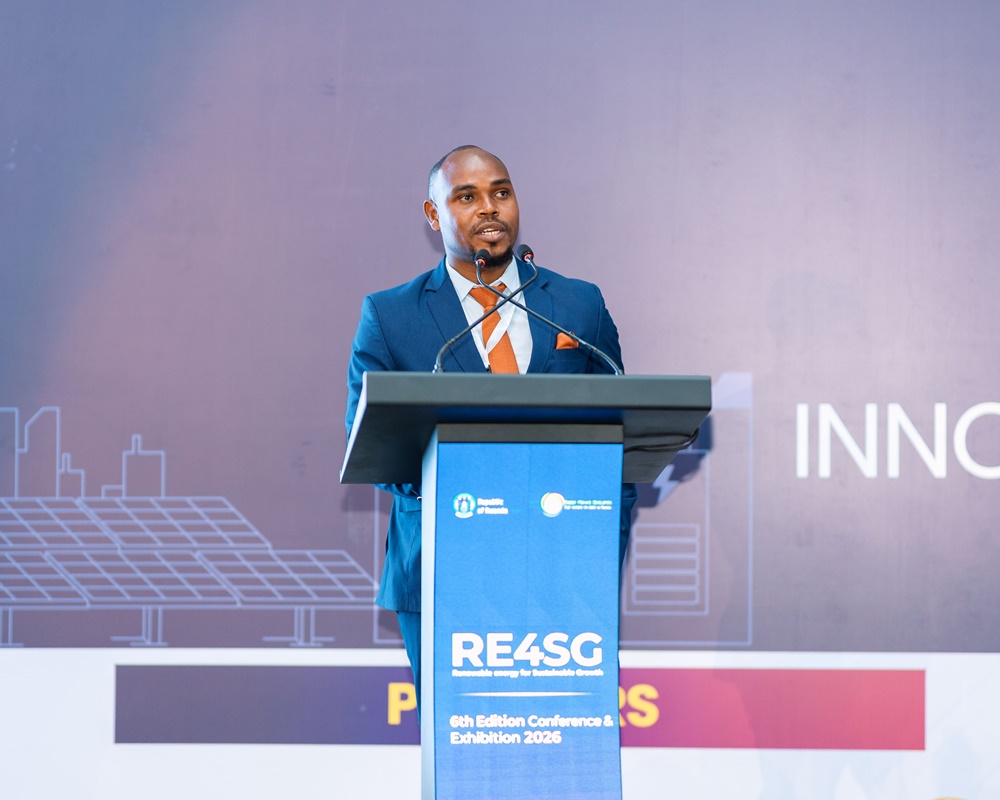
Douglas Ronoh, Geographic Information Systems (GIS) Analyst and Associate at the World Resources Institute (WRI), said the platform is intended to provide a clearer picture of both energy demand and existing supply.
“You can visualize datasets like population, where people live, and social and productive uses for energy, including education facilities, schools and hospitals,” Ronoh said.
Users can also map agricultural activities and compare areas of demand with existing transmission and distribution infrastructure, helping identify where current electricity supply does not adequately meet local needs.
The platform further allows users to explore renewable-energy potential, including areas suitable for solar and hydropower development.
According to Ronoh, this combination of information could help energy stakeholders determine where solutions such as solar home systems, grid extensions, hydropower and clean-cooking technologies are most appropriate.
He said the tool could also help reduce investment risks by giving developers and investors better information before committing resources.
“It helps to de-risk investments,” Ronoh said, explaining that users can identify where investments are needed most and where they could have the highest impact.
From data to investment decisions
The Energy Access Explorer is designed to serve a range of users, from governments undertaking long-term energy planning to private companies searching for markets for clean-energy technologies.
International investors interested in Rwanda could also use the platform to assess potential locations for energy projects, while researchers and local stakeholders could use its datasets to generate sector-specific insights.
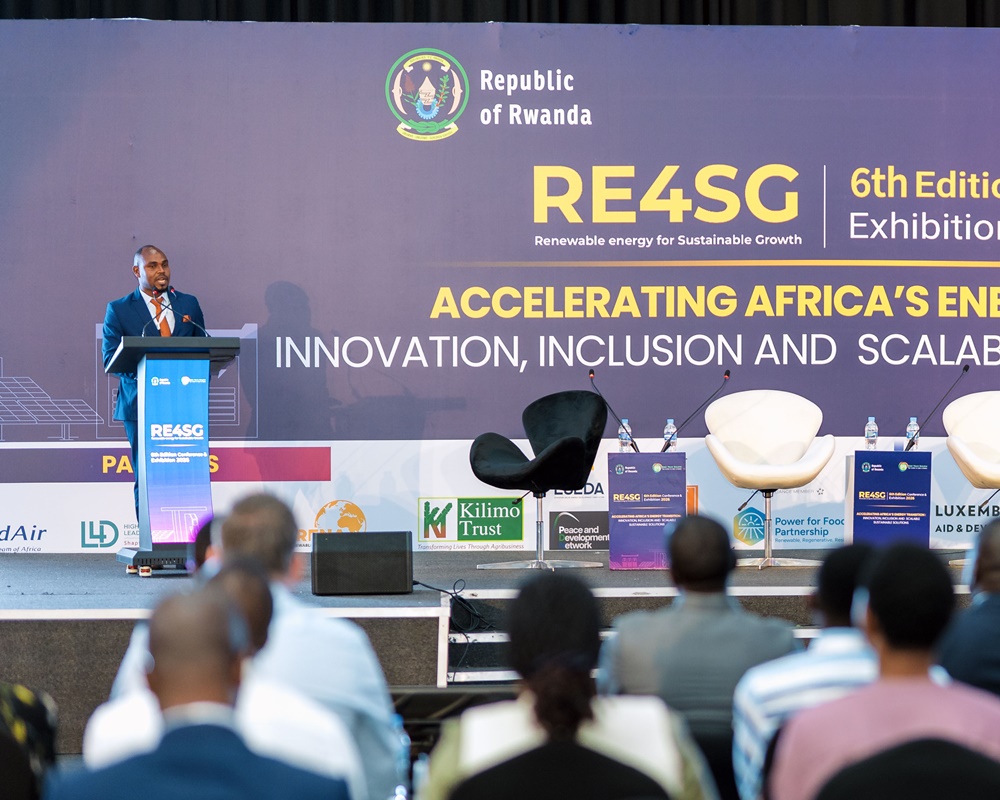
Ronoh described it as distinctive because it brings multiple datasets together in one centralized, open-source and interactive platform.
For example, a user interested in agriculture can filter the information to identify areas where energy investments could support agricultural activities. A user focused on education or clean cooking can similarly narrow the data to those sectors.
However, the platform is not yet being presented as a finished public product.
The Kigali event marked a soft launch, allowing energy-sector stakeholders to test the initial version and provide feedback before it is made more widely available.
“Once they have tested it out, they can advise if we need to improve on it and which kinds of improvements we need to do, whether in terms of data or functionality,” Ronoh said.
READ ALSO: Kigali Conference Seeks to Turn Africa’s Energy Ambitions Into Investment
The development team is continuing to work on the platform in consultation with key stakeholders in Rwanda, including the Ministry of Infrastructure, with the possibility of adding new datasets and functionalities in the future.
Turning maps into projects
For Ronoh, the bigger test will be whether the information generated by the platform ultimately translates into investments and projects on the ground.
He said energy planning cannot stop at identifying areas of need; developers, financiers, governments and other stakeholders will need to work together to turn those insights into bankable projects.
“A combined effort from all stakeholders” will be needed to ensure the data translates into action, he said, noting that energy planners will need to work closely with financiers and other actors involved in project development.
The emphasis on connecting data, investment and implementation comes as Rwanda and other African countries seek to accelerate electricity access while expanding renewable energy and productive uses of power.
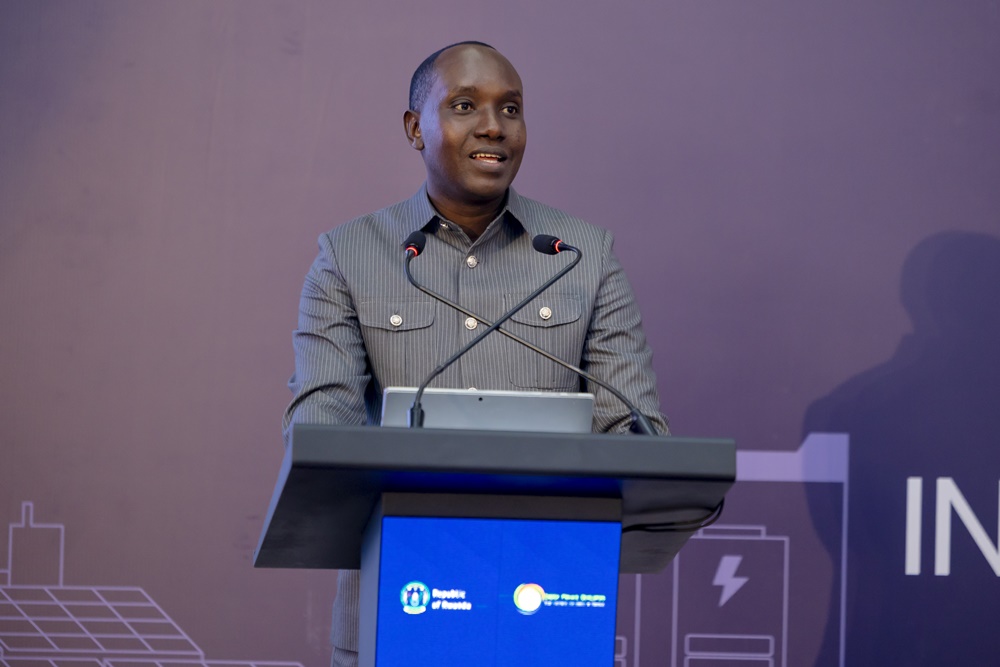
Serge Wilson Muhizi, Chief Executive Officer of the Energy Private Developers Association (EPD), said the energy transition requires cooperation across countries and sectors, rather than isolated efforts.
“Africa’s energy transition cannot be achieved by one country, one institution, or one sector alone,” Muhizi said.
He said EPD is seeking to connect policymakers with investors, innovators with markets and developers with opportunities, while strengthening regional and South-South cooperation.
The Energy Access Explorer adds a data-driven dimension to that broader push by providing stakeholders with information that can help identify where energy solutions are needed and where investment could be most effective.

About The Author


SUBSCRIBE TO OUR NEWSLETTER