Rwanda shares debt transparency experience as 22 African states gather in Kigali
Rwanda is using its relatively strong debt transparency record to share lessons with 22 African countries facing varying levels of debt distress, as public finance officials gather in Kigali for a five-day programme on debt management and accountability.
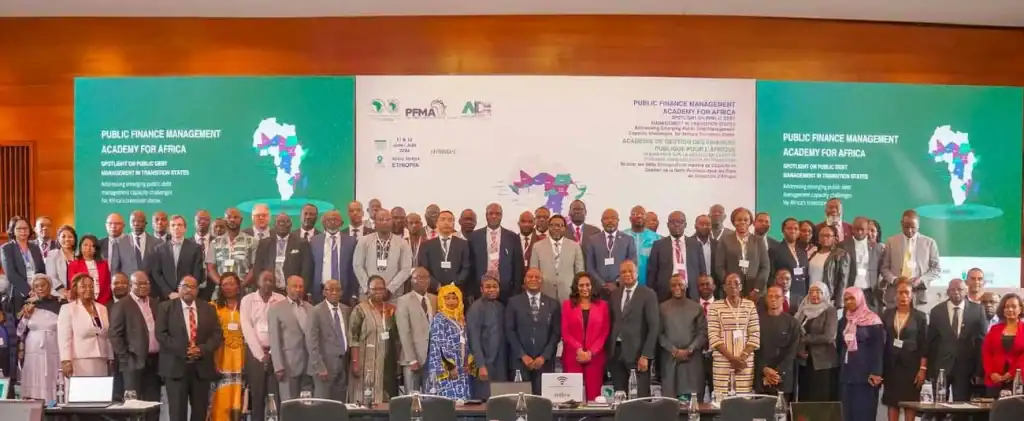
The third edition of the Public Finance Management Academy for Africa (PFMA) Spotlight Learning on Public Debt Management in Transition States is being held in Kigali from September 28 to October 2, bringing together debt management offices, treasuries, central banks and public audit institutions from 22 African transition states.
The training comes as governments across the continent face pressure to improve how they borrow, disclose debt information and ensure borrowed funds are used effectively.
For Rwanda, the discussions provide an opportunity to showcase systems that have helped strengthen its engagement with investors and improve the transparency of its public finances.
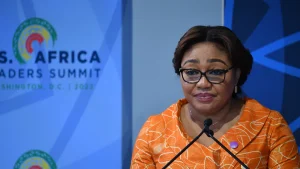
Judith Nabaasa, Acting Chief Economist at Rwanda’s Ministry of Finance and Economic Planning, said greater transparency can help governments obtain better borrowing conditions while improving the planning and allocation of public resources.
“For us, as Rwanda, we have at least made some important steps, and recently we were named the best country in Africa in debt management and transparency,” Nabaasa said.
She pointed to Rwanda’s recent access to international markets at borrowing costs she said were below commercial market terms, linking the outcome to the country’s debt management and transparency systems.
Rwanda received a score of 43.4 out of 50 in the 2026 Institute of International Finance (IIF) Investor Relations and Debt Transparency Report, tying with South Africa for the highest score among African countries assessed. The report covered 57 emerging markets and developing economies, and Rwanda was included for the first time.
The IIF says stronger investor relations and transparent communication of sovereign financial information can help reduce borrowing costs, improve market access and strengthen resilience during periods of financial stress.
Transparency amid high debt
Rwanda’s strong transparency score comes as the country continues to carry a relatively high public debt burden.
According to the IMF’s latest debt sustainability assessment, Rwanda’s public and publicly guaranteed debt stood at 73.6% of GDP in 2025, down slightly from 74.5% in 2024. The IMF projects the ratio at 73.1% in 2026 and says it is expected to decline gradually toward the authorities’ debt anchor of 65% of GDP by 2033.
The IMF currently assesses Rwanda as facing a moderate risk of external and overall public debt distress, with limited space to absorb shocks.
That makes the question of how debt is managed, rather than simply how much a country owes, central to the discussions taking place in Kigali.
Aissa Toure Sarr, the African Development Bank’s Country Manager in Rwanda, said countries can learn from Rwanda’s experience, arguing that stronger debt management is achievable when governments give it sufficient political attention.
“Some countries are doing extremely well, and I think it’s not because I’m in Rwanda, but Rwanda is doing extremely well in that regard, and my hope is they will be able also to share their experience,” Sarr said.
She also stressed that the effectiveness of borrowing depends on how borrowed funds are deployed.
“The debt is not the problem, it’s what you use it for,” she said, citing infrastructure and education among areas where borrowed resources can support development.
Focus shifts from borrowing to accountability
The academy is examining the systems that underpin public borrowing, including the assessment of loan terms and risks, debt reporting, accountability and tracking how borrowed resources are used.
The African Development Bank said the programme is designed to strengthen the capacity of African transition states to manage public finances and debt in a productive and sustainable manner. The five-day programme includes technical presentations, policy dialogue, peer-to-peer learning and practical group sessions.
The 22 participating countries are classified by the AfDB as transition states facing debt distress, a high risk of debt distress or a moderate risk of debt distress.
For Rwanda, the exercise comes at a time when the government is seeking to maintain access to financing while gradually reducing its debt burden.
About The Author


SUBSCRIBE TO OUR NEWSLETTER