Kirehe Electricity Access Surges as 24,000 More Households Connect
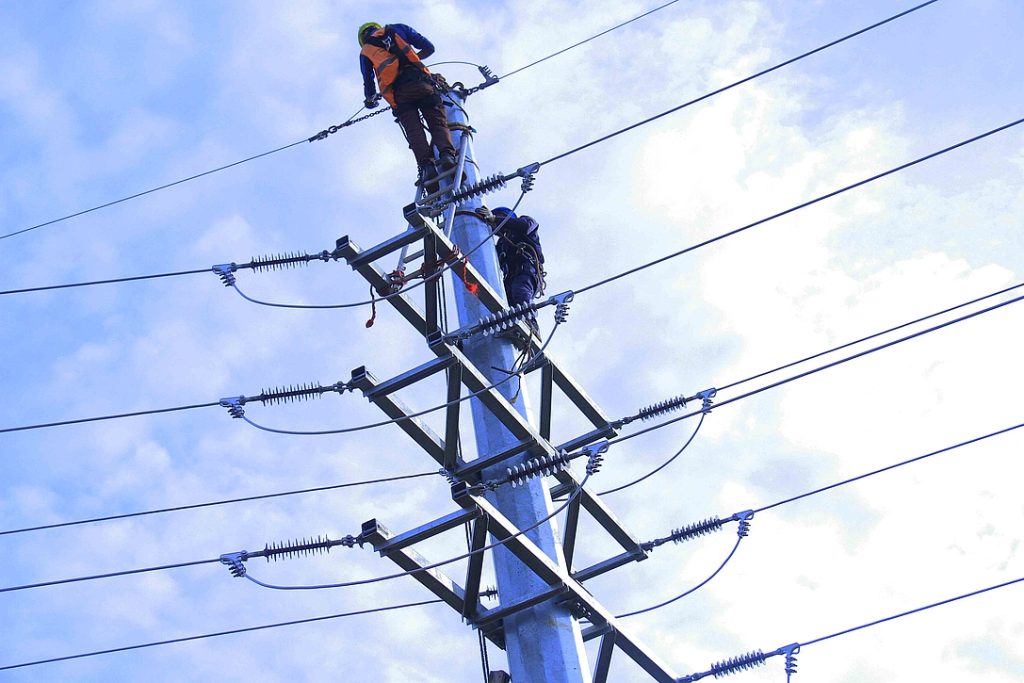
KIREHE, Rwanda — The number of households with electricity in Kirehe District rose from 48,194 in 2021 to 72,050 in 2026.
This increase of 23,878 households occurred over five years, underscoring Kirehe Electricity Access progress.
The Kirehe District Council highlighted its five-year mandate covering 2021–2026, while it presented the key achievements recorded during its term.
Electricity drives national development, supports industries, and enables activities that provide goods and services needed in everyday life.
The President of Kirehe District Council, Prof. Dr. Callixte Kabera, said expanding electricity access to residents was among the key achievements recorded during the 2021–2026 mandate.
He said the number of households with electricity increased from 48,194 in 2021 to 72,050 in 2026. As a result, the proportion of households with access to electricity, including those using solar energy, increased from 72.3% to 89.6%, according to the figures presented.
Prof. Dr. Kabera described the increase as a significant step compared with the district’s situation in previous years.
“In 2010, there was no electricity in this district. However, starting from 2021 during this mandate, the number of households with electricity increased, and today we have 72,050 households,” he said.
Kirehe electricity access reaches nearly 90%
Kirehe District has a population of 460,860 people living in 110,659 households, according to the figures presented.
Of these households, 99,261, or 89.7%, have access to electricity. Among them, 73,940 households are connected to the national electricity grid, while 25,321 households use off-grid electricity generated through solar energy.
The figures in the report show continued expansion of electricity access through both grid connections and off-grid solar solutions.
Rwanda targets universal electricity access by 2029
At the national level, electricity access in Rwanda has reached 88%, according to the information presented in the report.
The remaining 12% is expected to gain access by 2029, in line with the Government’s stated targets.
Under the Second National Strategy for Transformation (NST2), covering 2024–2029, the Government aims to extend electricity access to all 2,148 cells in the country by 2029.
The target represents an increase from 1,955 cells, equivalent to 91%, in 2024, according to the figures cited in the report.
For Kirehe, the increase in household electricity connections during the 2021–2026 period forms part of the district’s broader development achievements presented at the conclusion of the District Council’s five-year mandate.
With Muhazi Yacu
About The Author


SUBSCRIBE TO OUR NEWSLETTER