Kenya Confirms Second Bundibugyo Ebola Case, No Wider Spread
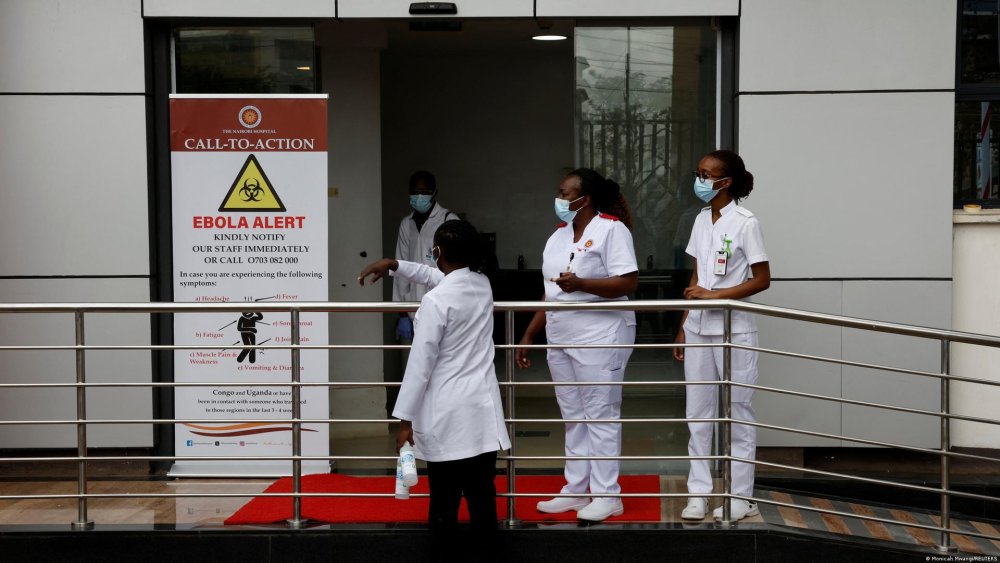
Nairobi, October 15, 2026 — Bundibugyo Ebola in Kenya has been confirmed as a second case.
The patient is a 39-year-old man who is a close family member of the country’s first imported case.
He was in mandatory quarantine and daily monitoring when symptoms appeared on October 13, allowing immediate isolation.
Director General for Health Dr. Patrick Amoth stated that the man reported fever, fatigue, and joint pains. Specimens tested positive for the Bundibugyo strain at both the National Virology Reference Laboratory and the Kenya Medical Research Institute–Centers for Disease Control and Prevention laboratory, with matching results. He has been transferred to a designated treatment centre, where trained teams are providing supportive care. Officials noted that early detection while he was already isolated improves his chances of recovery and reduces the risk of further transmission. Kenya has now recorded two confirmed cases and one death.
The index case involved a Kenyan citizen in his 40s who had resided in the Democratic Republic of the Congo for several years. He fell ill while in the DRC, sought care at multiple facilities there, and later traveled by road through Uganda before flying into Nairobi in early October. After arrival, he was taken to a hospital, isolated upon presenting with symptoms that included fever, fatigue, muscle pain, and bleeding under the skin at injection sites, and died on the night of October 5. Arrangements for a safe and dignified burial were completed in line with protocols for viral hemorrhagic fevers.
Contact tracing teams have identified 128 people linked to the first patient. As of October 13, 113 had been located, with 108 placed in 21-day facility quarantine in Kenya. These individuals undergo twice-daily clinical assessments and temperature checks. Five contacts remain outside the country, and authorities in those nations have been notified under the International Health Regulations. Tracing of the remaining contacts continues, and teams are also evaluating anyone who may have been exposed to the second patient after he became symptomatic, including quarantine staff and healthcare workers. Both cases are epidemiologically linked, and investigations have found no evidence of transmission in the wider community.
The infections in Kenya are linked to a large ongoing outbreak.
Bundibugyo Ebola in Kenya began in May 2026 in the Democratic Republic of the Congo.
That outbreak has produced thousands of confirmed cases across multiple provinces.
It has caused several thousand deaths in the eastern region, with a high fatality rate.
Uganda previously recorded a smaller related cluster.
Bundibugyo is a less common Ebola species than Zaire.
There is currently no licensed vaccine or specific antiviral treatment.
Care focuses on supportive measures such as fluid management, symptom control, and intensive monitoring.
Clinical trials of candidate interventions are under way elsewhere in the region.
Kenya’s response is coordinated through a single national command structure under the Public Health (Ebola Disease) Rules, 2026. Enhanced screening continues at airports, seaports, and land borders, where hundreds of thousands of travelers have been checked since the DRC outbreak began. Isolation and treatment capacity has been prepared at designated facilities, health workers have received training and personal protective equipment, and rapid-response teams remain on standby. President William Ruto has directed additional assessments and strengthened measures. The Ministry has emphasized that Kenya remains open for travel, trade, and public gatherings, with no lockdowns or broad restrictions in place.
Health authorities are urging the public to stay calm, rely on official updates, and avoid spreading unverified information. Anyone who develops fever or other symptoms, or who believes they may have been exposed, is advised to seek guidance promptly by calling 719 rather than visiting health facilities unannounced. Early isolation and supportive care remain the most effective tools for limiting the impact of the disease while contact tracing and surveillance continue.
About The Author


SUBSCRIBE TO OUR NEWSLETTER