Over 170,000 Africans Gain Access to Specialized Chronic Disease Care
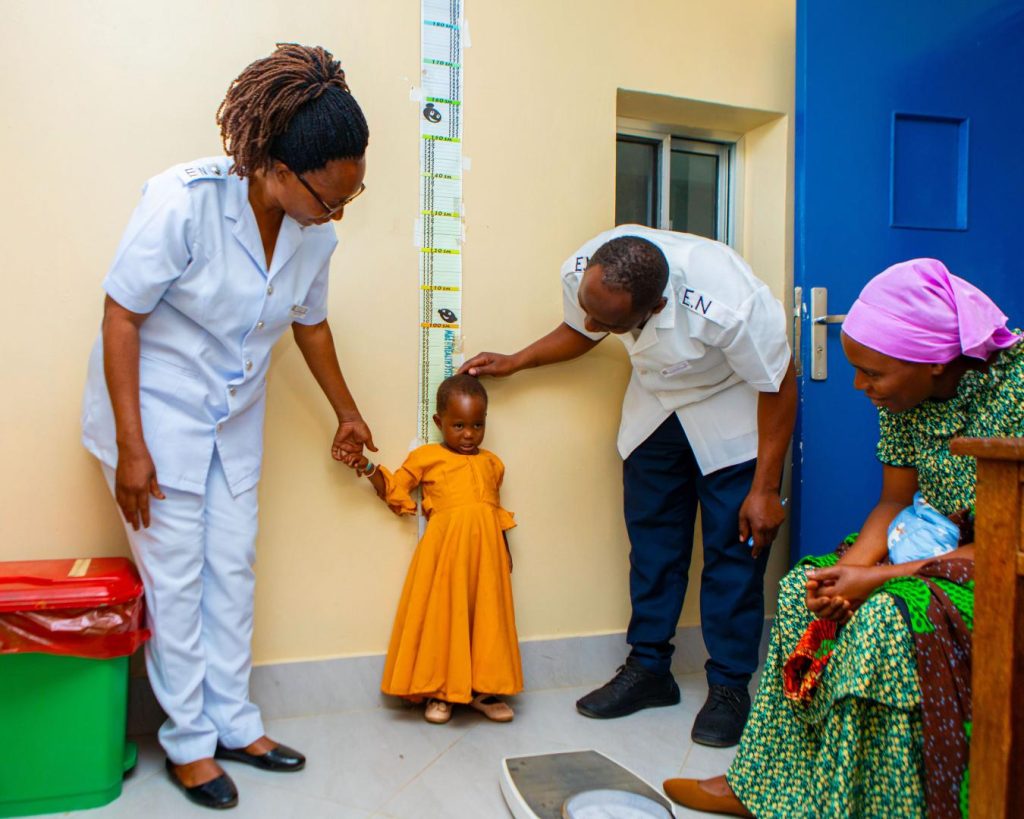
More than 170,000 people across 20 African countries have received specialized care for severe chronic diseases through the PEN-Plus programme over the past three years, marking significant progress in expanding access to lifesaving health services, according to a new report released by the World Health Organization (WHO) Regional Office for Africa.
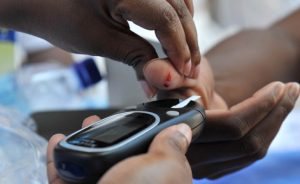
The report, ‘Scaling up PEN-Plus: Expanding Life-Saving Care for Severe Noncommunicable Diseases in Africa’, was launched with support from The Leona M. and Harry B. Helmsley Charitable Trust. It highlights the growing impact of the PEN-Plus model in improving care for severe noncommunicable diseases (NCDs), including type 1 diabetes, sickle cell disease, and rheumatic and congenital heart diseases.
PEN-Plus builds on WHO’s Package of Essential Noncommunicable Disease Interventions (WHO PEN) by extending specialized services from primary healthcare facilities to district hospitals. The model offers screening, diagnosis, treatment, long-term care and referrals, bringing critical services closer to underserved communities.
According to the report, more than 120 district hospitals across the 20 participating countries now provide PEN-Plus services, while over 1,750 health workers have been trained to manage severe chronic diseases.
The initiative is particularly important for children, adolescents and young adults in rural and low-resource settings, where access to specialist care has traditionally been limited. Since the regional strategy was endorsed in 2022 and launched the following year, all participating countries have completed implementation readiness assessments and developed operational plans.
Rwanda has already achieved nationwide PEN-Plus coverage, while Ethiopia launched a national operational plan in 2026 to establish clinics in 150 hospitals and enrol about 82,000 patients. In Malawi, more than 440 health workers have been trained, with services now covering 55% of the country’s planned districts.
The report also shows that decentralizing specialized care has strengthened health systems and increased patient confidence in district-level services. In Uganda, enrolment in PEN-Plus clinics rose by 178% between late 2022 and early 2025. Across 10 countries supported by the NCDI Poverty Network, patient enrolment increased from fewer than 100 in 2022 to nearly 7,500 by mid-2025.
“The progress achieved through PEN-Plus demonstrates what can be accomplished through strong political commitment, regional solidarity and coordinated action,” said Dr. Mohamed Janabi, WHO Regional Director for Africa. He said the initiative is helping ensure that children and young adults with severe chronic diseases can access lifesaving care closer to home.
Despite the gains, WHO warns that noncommunicable diseases remain a growing public health challenge, accounting for 37% of all deaths in the African Region. The report notes that shortages of trained specialists, medicines, diagnostic tools and sustainable financing continue to limit access to quality care.
WHO is preparing to expand PEN-Plus to 30 African countries, with greater emphasis on domestic financing, workforce development, digital learning, telemedicine and stronger health information systems.
About The Author


SUBSCRIBE TO OUR NEWSLETTER