Biased Crime Reporting Can Leave Innocent People Stigmatized, Lawyer Warns
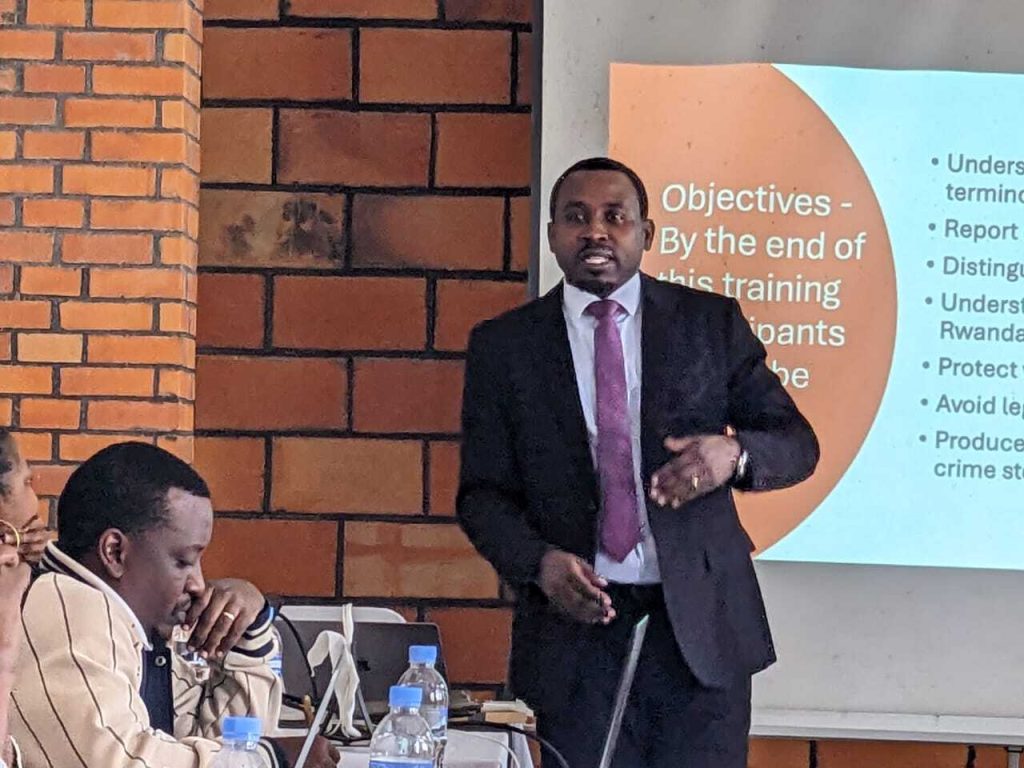
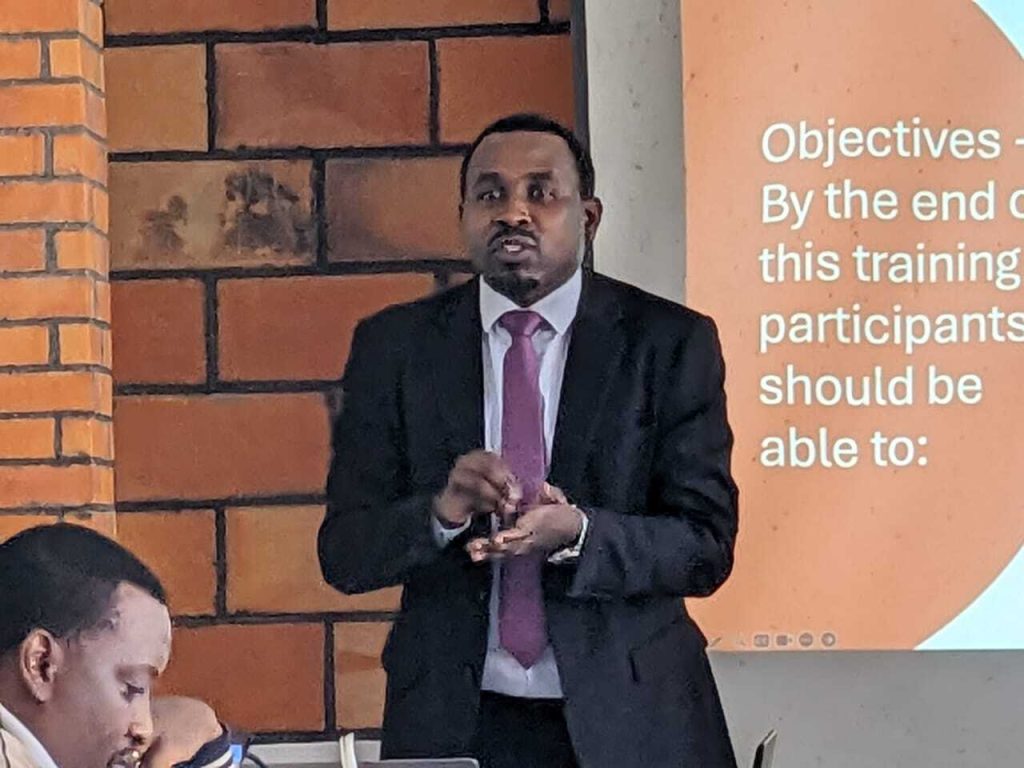
Lawyer Jean Paul Ibambe.
Journalists have been urged to avoid bias when reporting crime stories, with legal experts warning that one-sided reporting can permanently damage a suspect’s reputation and undermine the fundamental legal principle that every person is presumed innocent until proven guilty by a court.
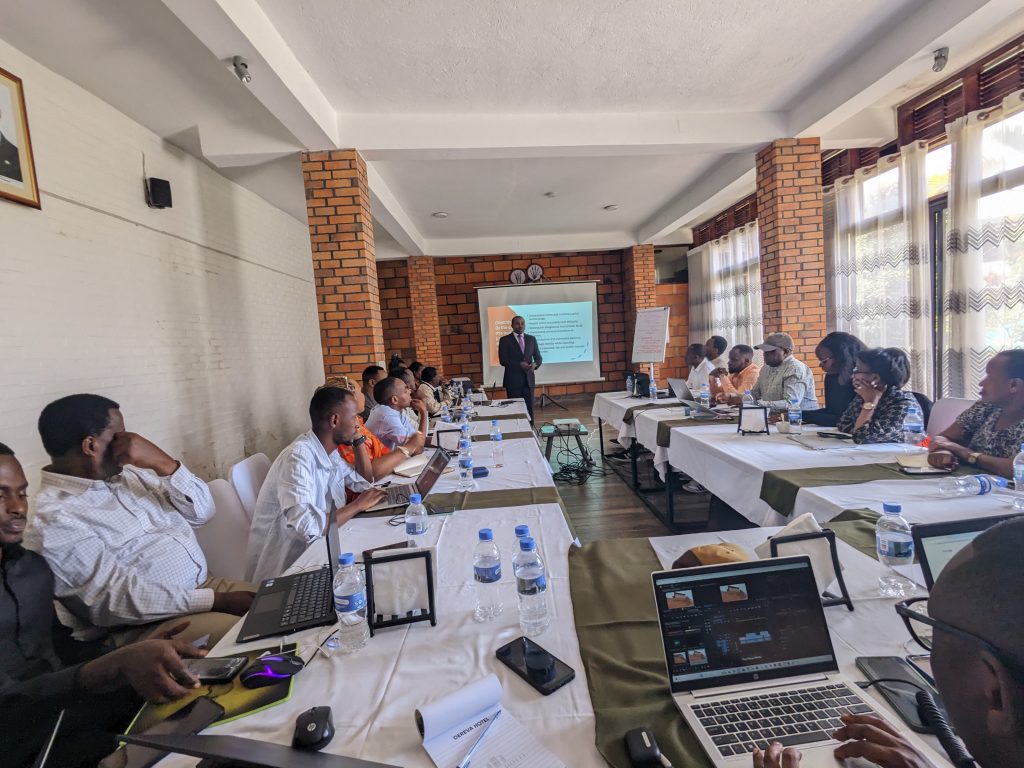
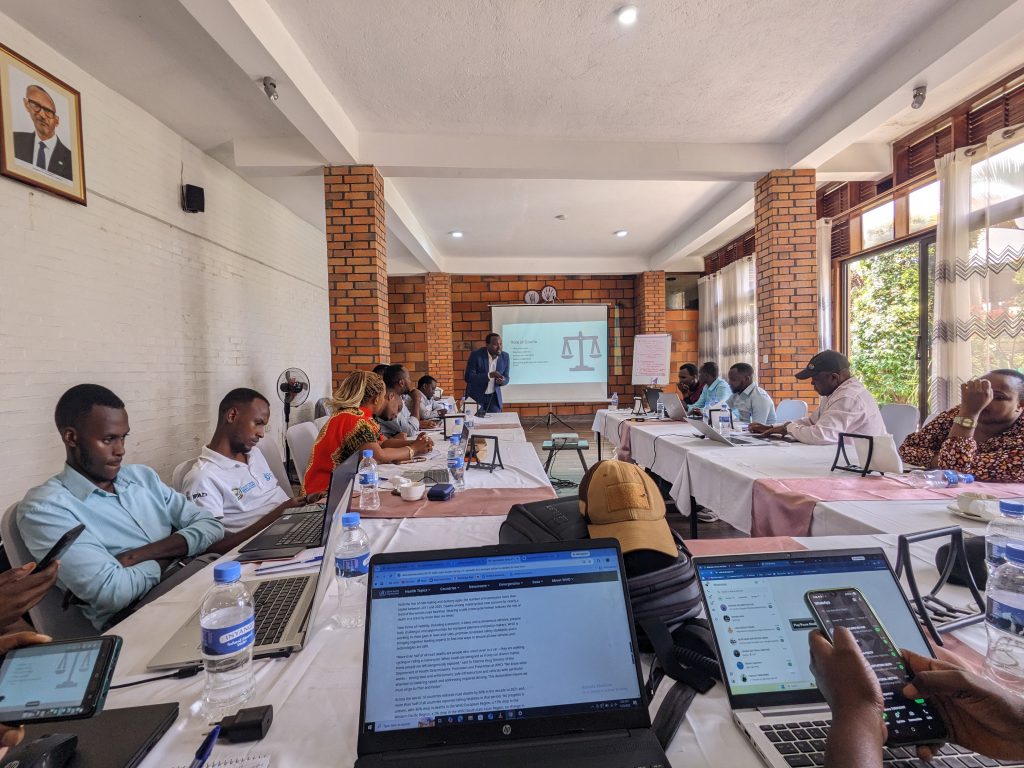
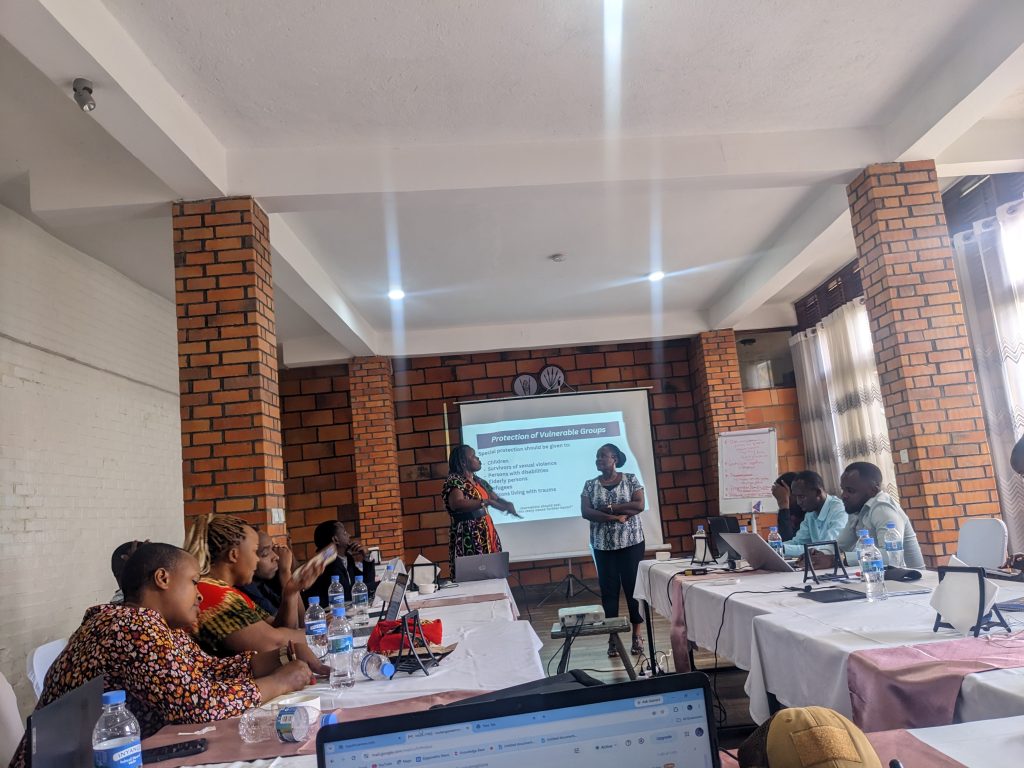
The call was made during a three-day Crime Reporting training organized by Fojo Media Institute from July 22 to 24, 2026.
The capacity-building programme aimed to strengthen Rwanda journalists’ knowledge and professional skills in reporting crimes accurately, ethically and responsibly, while promoting balanced reporting that serves the public interest.
Speaking during the training, lawyer Jean Paul Ibambe reminded journalists that their role is to inform the public, not to investigate crimes, prosecute suspects or determine guilt.
“A journalist must always remember that their responsibility is to provide information, not to become part of the criminal justice system,” he said.
He added, “A journalist is not a criminal investigator, a prosecutor, a judge or even a court bailiff. Your story should never read like a police statement or a prosecutor’s submission. The role of journalism is to inform, not to deliver verdicts.”
Ibambe cautioned that taking sides in crime reporting can compromise professional standards and erode the legal principle that every suspect must be treated as innocent until a competent court proves otherwise.
He also warned journalists against using language or making conclusions that could mislead the public before facts have been officially established.
Using road crash reporting as an example, he noted that not everyone involved in an accident dies immediately, and that only qualified medical experts can determine the actual cause of death following a post-mortem examination.
“If a journalist rushes to state what caused someone’s death before it has been confirmed by the competent authorities, that is a professional mistake,” he said.
Ibambe further emphasized that journalists have an ethical obligation to follow up on court cases they report. If a media outlet publishes a suspect’s name, photograph or identifying details, it should also report the court’s final verdict.
Failing to publish the outcome of a case, he said, can continue to tarnish a person’s reputation even if the court eventually finds them innocent.
“A person may remain stigmatized in the eyes of the public simply because the media never informed audiences that they were acquitted,” he said.
He encouraged journalists to consistently seek comments from all parties mentioned in a story, thoroughly verify information before publication and avoid wording that suggests bias or assumes guilt.
The training also highlighted the importance of protecting victims and vulnerable sources while ensuring suspects’ rights are respected throughout the reporting process.
According to Rwanda’s 2024–2025 Judicial Annual Report, courts handled 109,192 cases out of 182,527 scheduled for trial during the judicial year.
The report indicates that courts received 106,254 new cases, in addition to 76,273 pending cases carried over from the previous judicial year. Of the cases resolved, 92,880 (85%) were decided on their merits, while 16,312 (15%) concerned provisional detention and bail applications.
The figures underscore the volume of cases moving through Rwanda’s justice system and reinforce the need for responsible journalism that informs the public without compromising individuals’ rights or the integrity of judicial proceedings.
About The Author


SUBSCRIBE TO OUR NEWSLETTER