Uganda Pursues Ultimate First Oil by 2030, Refinery Complete
Uganda oil is on track to begin production by June 2027, with exports via the East African Crude Oil Pipeline.
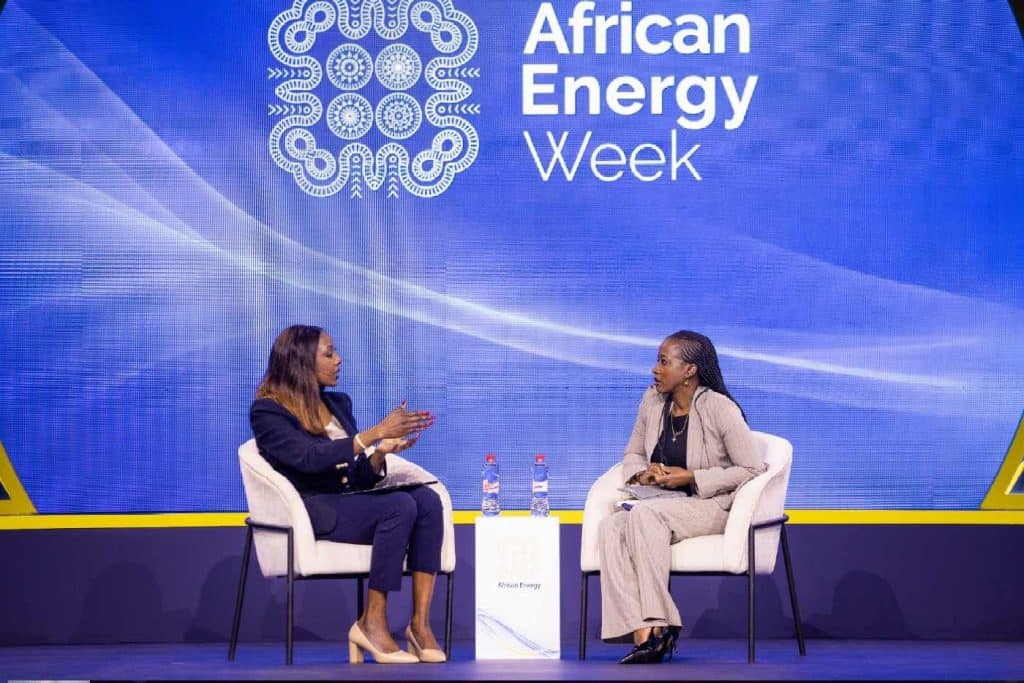
Kristina Kasebayo, Head of Compliance at the Uganda National Oil Company, spoke at African Energy Week 2026 in Cape Town.
She reaffirmed the timeline and outlined plans for an FID on the domestic refinery by February 2027.
First oil will start before the end of our financial year, June 2027.
Moreover, this will position us as an oil producing country, she said.
Kasebayo added that EACOP is currently 92% complete, with first crude exports expected after production starts.
The milestone will mark a significant step for Uganda.
Nearly two decades after the country’s first commercial oil discoveries in 2006, the milestone signals progress.
While Uganda has established substantial upstream resources, the development of export infrastructure has been critical.
Supporting regulatory frameworks has been essential to bringing those resources to market.
EACOP will transport Ugandan crude to a port in Tanzania, providing access to international buyers.
The challenge was not getting the oil out of the ground, but having the infrastructure and regulation in place. Moreover, Kasebayo explained, noting that the requisite agreements are now in place.
Alongside its export ambitions, Uganda is advancing plans for a domestic refinery.
Moreover, the refinery strengthens national energy security and supports local fuel supply.
The development forms part of Uganda’s strategy to capture greater value from its hydrocarbon resources.
Additionally, it aims to combine international crude exports with domestic processing capacity.
We intend to take FID for the domestic refinery in February 2027.
Moreover, we expect the refinery to be complete by 2030.
Kasebayo said.
Uganda oil is being marketed internationally under the name Pearl Sweet. Additionally, this draws on the country’s identity as the Pearl of Africa. According to Kasebayo, the crude grade has gained international recognition, and Uganda can engage buyers as infrastructure nears completion.
About The Author


SUBSCRIBE TO OUR NEWSLETTER