Ex-DRC Leader Joseph Kabila Drives New Eastern Rebel Alliance
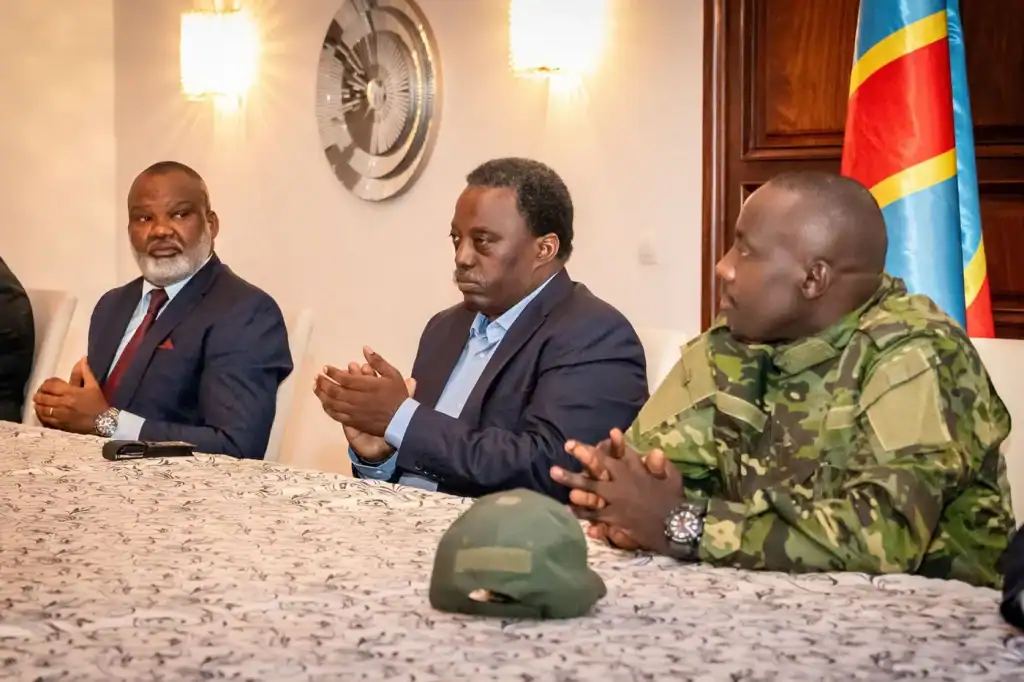
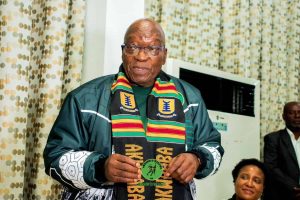
Goma, eastern DRC — Former President Joseph Kabila leads a new politico-military movement.
It absorbs the AFC-M23 rebellion in eastern DRC.
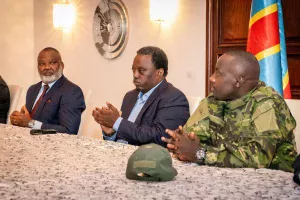
Goma hosted the formal presentation of FRN on 12 October.
This marks the emergence of the New Eastern DRC Rebel Alliance.
The FRN brings together political and military elements previously operating under the Congo River Alliance (AFC) and the March 23 Movement (M23). Kabila heads the new structure, with senior figures from the prior alliance serving as deputies, including Corneille Nangaa, Bertrand Bisimwa, and military commander Sultani Makenga. Spokespeople for the movement described its objective as ending tyranny in Kinshasa by any available means, including the use of force.
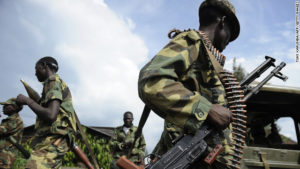
The M23 is a Congolese armed group that first emerged in 2012. Historically, its roots lie in earlier Great Lakes conflicts that followed Rwanda’s 1994 genocide against Tutsi. Moreover, many fighters and leaders come from Congolese Tutsi communities in North and South Kivu. Similarly, the group has long claimed that the Congolese state failed to protect these communities from armed groups. Additionally, it said the state denied them political and security rights. Subsequently, after a period of relative dormancy, M23 reactivated in late 2021. Finally, it launched a major offensive that culminated in the capture of Goma and large parts of eastern Congo.
In recent years the M23 operated alongside the AFC, a broader political platform that presented itself as an alternative to the government of President Félix Tshisekedi.
Congolese authorities have repeatedly accused both the M23 and the AFC of receiving substantial military and logistical support from neighboring Rwanda, an allegation Kigali has denied.
The new FRN effectively reorganizes these forces under Kabila’s direct political leadership while retaining the same military command structure.
Kabila governed the DRC from 2001 to 2019. After handing power to Tshisekedi following disputed elections, he largely withdrew from public life. Congolese courts later convicted him in absentia of treason and complicity with the M23, imposing a death sentence. His decision to publicly assume command of the rebranded movement marks his most open alignment yet with the eastern rebellion and further deepens the political confrontation with the Kinshasa government.
Context and implications of the FRN launch
Firstly, the eastern DRC remains a complex conflict zone driven by mineral competition. Ethnic grievances, weak state authority, and nearby powers intensify violence and hinder development. These conditions complicate governance and public service delivery for residents. Regional actors’ involvement sustains cycles of conflict.
Secondly, the FRN’s formal launch consolidates political and military authority in rebel-held areas. It signals that the rebellion aims to present itself as a broader national alternative. Observers note the shift could redefine regional security dynamics. This broader stance may affect international engagement and aid flows.
Additionally, regional observers assess potential outcomes for civilians and governance. This development could affect the legitimacy of the New Eastern DRC Rebel Alliance and future strategy. Analysts emphasize careful tracking of political reforms, security sector changes, and local gains. Policy responses should prioritize human rights and civilian protection.
About The Author


SUBSCRIBE TO OUR NEWSLETTER