Kigali Hosts Foundation Day as Africa’s Carbon Markets Push Toward Delivery and Trust
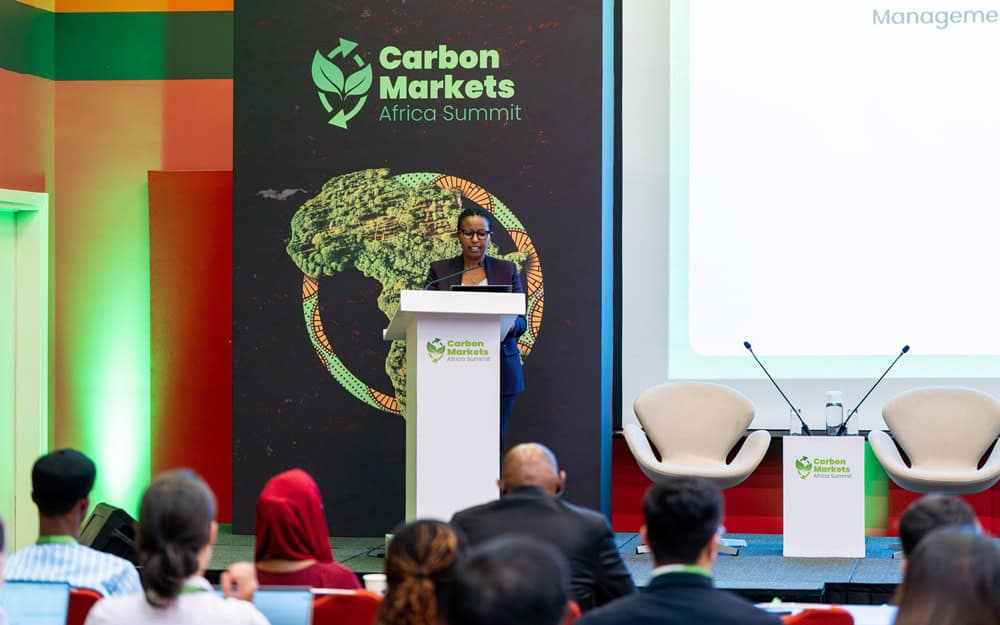
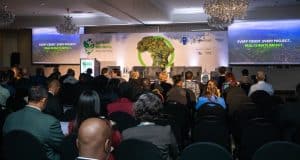
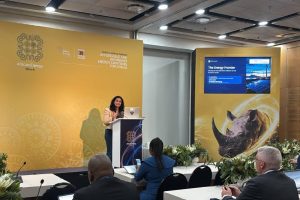
KIGALI, 13 October 2026— Policymakers, investors, project developers and market enablers gathered today at the Kigali Convention Centre for the Foundation & Dialogue Day of the Carbon Markets Africa Summit (CMAS) 2026, opening a three-day continental platform focused on turning Africa’s carbon potential into high-integrity projects, capital and transactions.
The pre-conference day, running under the summit’s overarching theme of “Africa’s Carbon Markets on the Global Stage: Delivering a Strong Pipeline of Projects, Capital and Transactions at Scale,” featured three parallel tracks: foundational Carbon 101 sessions, advanced Carbon 201 workshops, and a closed-door High-Level Dialogue on trust, investment and scale. The day is set to conclude with Carbon Markets Speed Dating networking and ice-breaker drinks. Hosted by Rwanda’s Ministry of Environment, with UNDP and the African Development Bank as host organisations, the Development Bank of Southern Africa as host partner and AUDA-NEPAD as strategic institutional partner, the event is organised by VUKA Group and draws participants from 24 African countries and 45 countries worldwide.
Trust as the Foundation
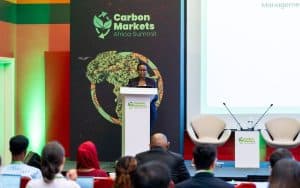
Opening the pre-conference discussions, Juliet Kabera, Director General of the Rwanda Environment Management Authority (REMA), underscored trust as essential to credible markets.
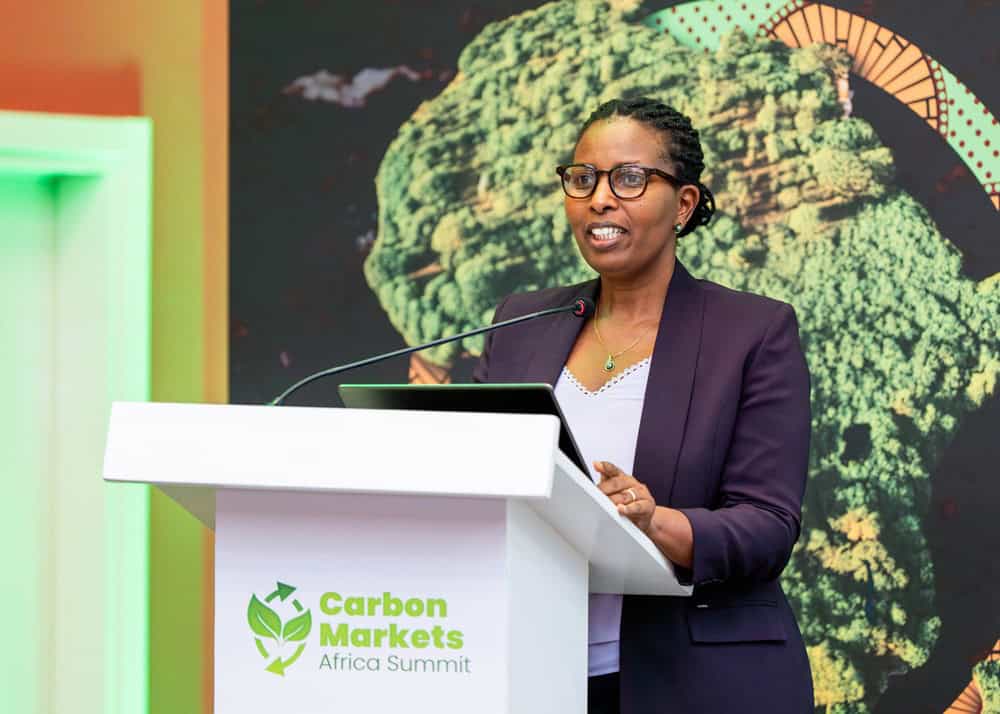
“We have to trust the credits, investors must trust the process, project developers must trust the framework,” she said. “In Rwanda, our carbon market framework is built on transparency, environmental integrity, and accountability, with no issues reported to date.” She also stressed that full traceability of every credit issued is necessary to reassure institutional financiers and attract large-scale private capital.
Building Capacity and Closing Deals
Carbon 101 sessions covered the fundamentals: why markets exist and convert emissions into economic value; compliance versus voluntary systems and key participants; how projects generate tradable credits; what makes a credit high-quality and valuable; Article 6 rules and Africa’s market access; and turning credits into investment deals through offtake agreements and private capital. Facilitators included experts from UNDP, Climate Legal, Promethium Carbon, TASC and the African Development Bank.
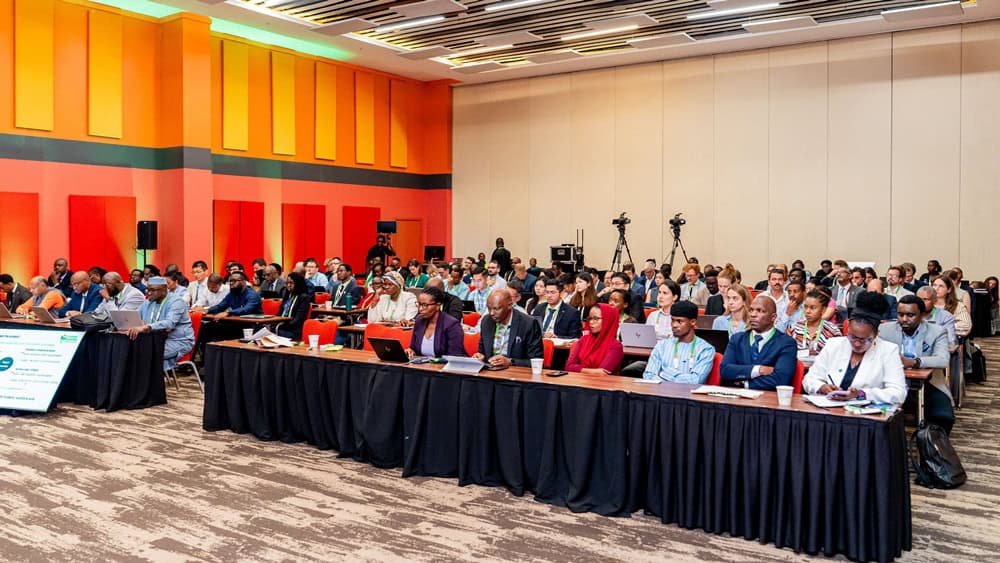
Carbon 201 moved participants from concept to execution, examining current market structures and evolving demand, hands-on tracing of Article 6 and CORSIA pathways to executed deals, voluntary demand and pricing realities, high-quality measurement, reporting and verification (MRV) in practice, structuring projects to be insurable and investable, and walking through a real carbon transaction. UNDP Rwanda hosted sessions explaining how markets operate—who approves what, how credits are verified, and how climate action becomes finance that reaches communities—and on the rules enabling countries to trade emission reductions, aviation offsetting schemes, voluntary purchases, and the steps from policy to a signed deal.
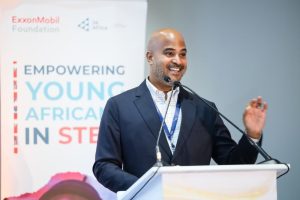
The invitation-only High-Level Dialogue, convened under The Global Trust Project’s Trust Protocols and presented by its Executive Director Dominic Wilhelm, asked a focused question: “What must now happen for African carbon markets to become trusted, investable and scalable?” The closed-door, action-oriented format moved through system mapping, panel exchanges on market signals, governance and finance, pathway-building and collective synthesis of priority conditions.
From Readiness to Execution
Organisers and participants framed the day as a deliberate shift from readiness and framework design toward practical delivery. Africa’s carbon market is frequently described as a potential $50–100 billion opportunity by 2030, driven by high-integrity credits, sovereign trading and rising global demand, yet the continent still accounts for a small share of global transactions. Discussions emphasised retaining greater value on the continent, strengthening MRV and authorisation processes, mobilising early-stage finance, and ensuring benefits reach communities involved in nature-based solutions, regenerative agriculture, waste-to-value, clean cooking, removals and other project types.
The timing coincides with ongoing international rule-making, including recent meetings of the Article 6.4 Supervisory Body in Bonn. Private side rooms and networking sessions already saw investors, buyers and developers examining project viability and partnership possibilities, with more than 40 project developers and over 50 capital providers expected across the full summit.
Main summit days on 14–15 October will open with investor and buyer roundtables, keynotes, project showcases, a ministerial roundtable, deal rooms and plenaries on capital flows and market signals. As delegates registered and sessions unfolded today, the message from Kigali was clear: credibility, practical tools and African leadership are prerequisites for scaling markets that deliver both climate outcomes and economic value.
About The Author


SUBSCRIBE TO OUR NEWSLETTER