Africa launches credit rating agency to tackle high borrowing costs
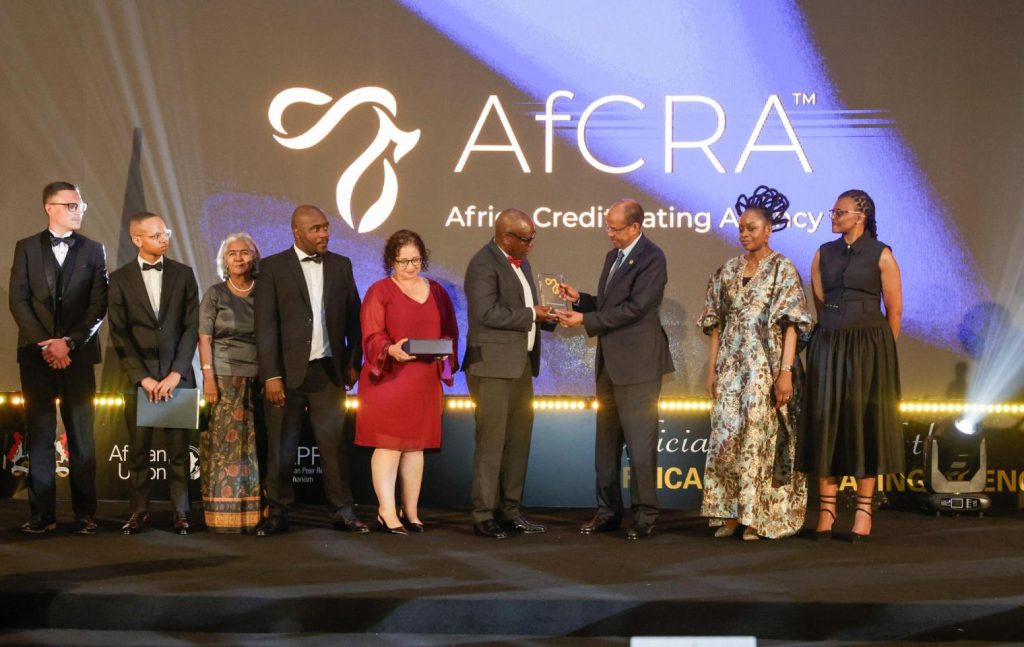
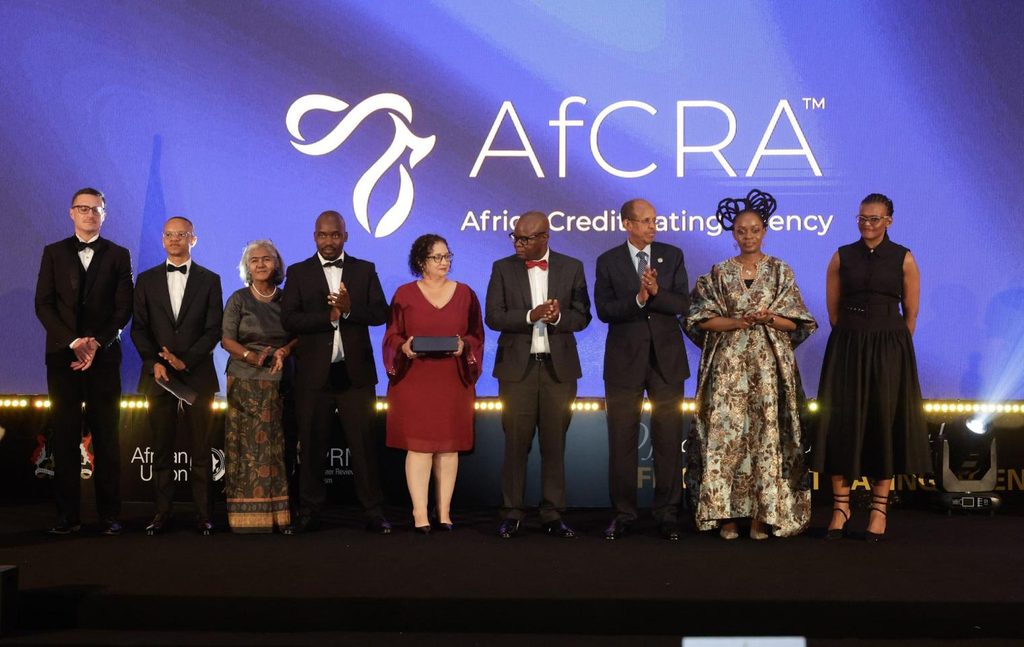
Africa has launched a new credit rating agency aimed at improving how the continent’s economies are assessed and expanding access to affordable financing for governments and businesses.
The Africa Credit Rating Agency (AfCRA) was launched in Mauritius on October 7, 2026, following years of work led by the African Union and the African Peer Review Mechanism (APRM), with support from the United Nations Economic Commission for Africa (ECA) and other partners.
The independent, private sector-driven institution will complement existing international credit rating agencies by providing additional data and perspectives on African economies.
Credit ratings influence how much countries pay to borrow and how investors assess their financial risks. African officials say inaccurate perceptions of risk can increase borrowing costs, leaving governments with fewer resources for infrastructure, healthcare, education and other development priorities.
ECA Deputy Executive Secretary Hanan Morsy said persistent risk premiums cost Africa an estimated $75 billion annually in excess interest payments.
She said AfCRA could help address the problem by incorporating a deeper understanding of African economies, available data and reform efforts into credit assessments.
However, African Union Commission Chairperson Mahmoud Ali Youssouf cautioned that the agency alone would not significantly reduce the continent’s cost of capital. He stressed the importance of maintaining its independence to gain the confidence of investors and financial markets.
Morsy also emphasized that countries must strengthen their economic fundamentals through sound macroeconomic management, responsible fiscal policies, domestic resource mobilization and reliable economic data.
Mauritius Minister of Financial Services and Economic Planning Jyoti Jeetun said the agency’s goal was not to secure more favourable ratings for African countries, but to ensure their economies were assessed accurately.
“AfCRA is not about asking the world to rate Africa more favourably. It is about helping the world understand Africa more accurately,” Jeetun said.
Protecting the agency from political interference will be another challenge. APRM Chief Executive Officer Marie-Antoinette Rose-Quatre, whose institution helped lead efforts to establish AfCRA, said independence must guide its operations and assessments.
UN Special Adviser on Africa Ahunna Eziakonwa said African financial institutions, pension funds, development banks and central banks would need to use the agency’s ratings to demonstrate confidence in its work.
“We cannot ask global capital to trust what African capital treats as optional,” Eziakonwa said.
Beyond assessing national governments, AfCRA is expected to rate subnational entities and African companies, potentially improving access to credit information and supporting the development of domestic capital markets.
Ugandan President Yoweri Museveni, in a statement delivered at the launch by State Minister of Finance Amos Lugoloobi, also called for stronger financial integration alongside trade integration through the African Continental Free Trade Area (AfCFTA).
Mauritius will host AfCRA’s headquarters, with Chief Executive Officer Sifiso Falala leading its operations.
The agency’s long-term impact will depend on the credibility of its assessments, its independence and its ability to earn the trust of African and international investors.
About The Author


SUBSCRIBE TO OUR NEWSLETTER