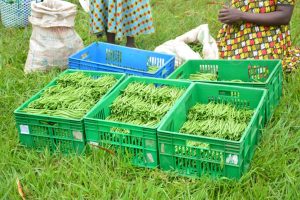
Swedfund invests to strengthen climate resilience in African food systems
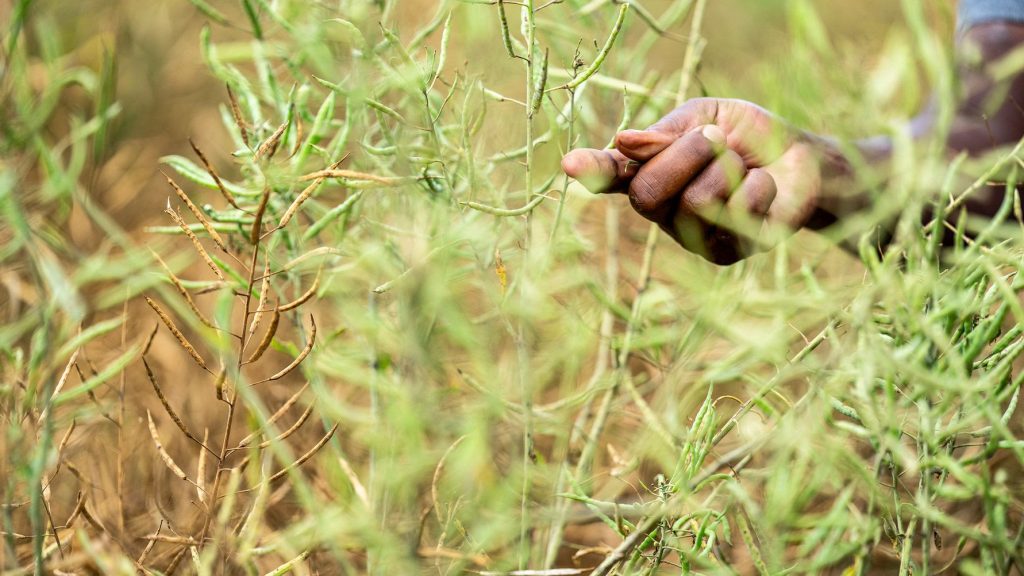
Swedfund invests USD 12 million in Acumen Resilient Agriculture Fund II (ARAF II). The investment supports growing food and agriculture companies across Africa that strengthen agricultural value chains. By improving access to markets, finance and essential services, these companies help smallholder farmers become more resilient to climate and economic shocks.
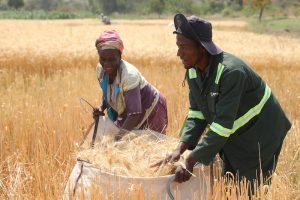
Over 30 million smallholder farmers operate across Sub-Saharan Africa, accounting for 80 percent of all farms and producing 70 percent of the region’s food (IFAD). Yet many face limited access to finance, quality inputs, reliable buyers and market information. At the same time, they are among those most exposed to climate change and weather-related shocks, which threaten harvests, incomes and food security.
“Climate change is already affecting the livelihoods of millions of smallholder farmers across Africa. Investing in businesses that improve access to markets, finance and agricultural services helps farmers strengthen their resilience, increase productivity and build more stable incomes. That is essential for more resilient food systems,” says Helen Hagos, Investment Director, Food Systems & Strategic Investments at Swedfund.
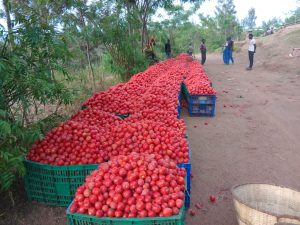
ARAF II invests in businesses that address key gaps in agricultural value chains, from improving market access and reducing post-harvest losses to expanding financial and digital services for farmers. By helping these businesses grow, the investment aims to improve productivity, strengthen local value chains and increase the resilience of food systems.
The investment has an ambition to reach around four million smallholder farmers through ARAF II’s portfolio companies. It also aims to meet the criteria of the 2X Challenge, which promotes investments that support women’s economic empowerment.
Swedfund invests alongside other development finance institutions and investors to help mobilise long-term capital for businesses that often struggle to access financing despite their potential to strengthen food security, climate resilience and economic development across Africa.
About The Author


SUBSCRIBE TO OUR NEWSLETTER