How Rwanda Turns Climate Ambitions into a Transformative Wave of Investment
Rwanda Carbon Market and investment-ready projects
Rwanda’s climate agenda is increasingly centered on a broader question: how to turn environmental priorities into investment-ready projects. Moreover, these projects aim to generate jobs, business opportunities and benefits for communities through mechanisms like the Rwanda Carbon Market.
Overview
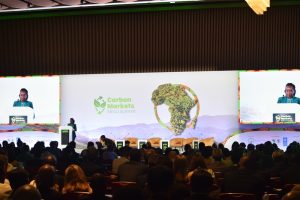
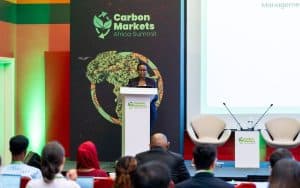
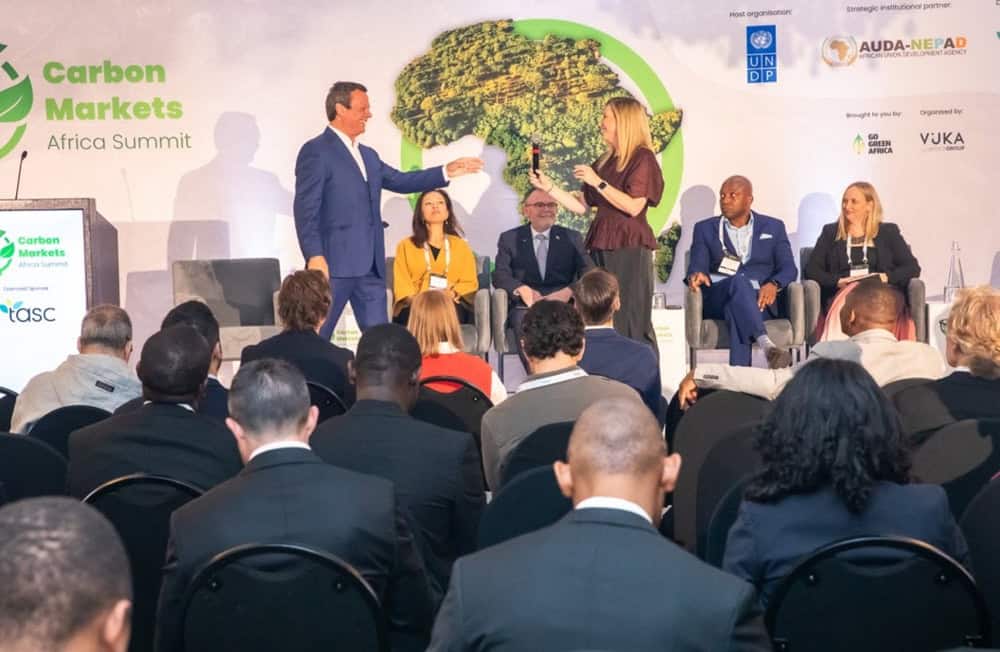
However, the question will feature prominently at the Carbon Markets Africa Summit (CMAS) 2026, held October 13–15 in Kigali. Additionally, this includes how the Rwanda Carbon Market can attract climate and carbon finance and benefit economies and communities.
READ ALSO: How Rwanda is positioning itself for a higher-value carbon market
The country is developing opportunities across agriculture, conservation, clean energy, waste management and carbon markets as it seeks to attract more climate finance and turn its environmental ambitions into practical economic projects.
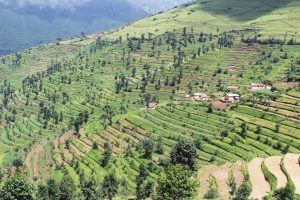
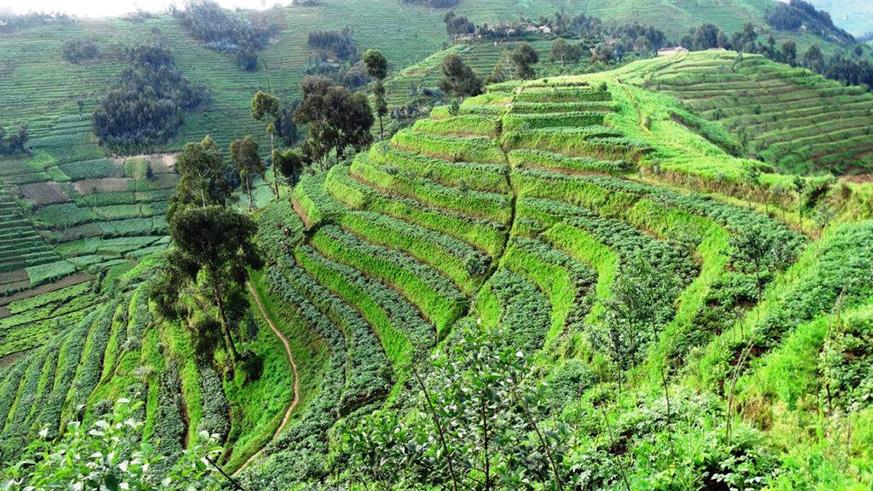
A recent national assessment on irrigation illustrates the scale of opportunities that could be developed.
Released by the FAO and Rwanda’s Ministry of Agriculture and Animal Resources on September 7. The assessment identified 610,595 hectares of gross potentially irrigable land. This equals 386,381 hectares of net irrigable land across the country. These figures cover Rwanda’s nine catchments and 30 districts.
The data can support planning within the Rwanda Carbon Market. It highlights irrigation potential that may affect climate, agriculture, and livelihoods.
The assessment identified 102,609 hectares of net irrigable land as Tier 1, meaning areas considered ready for immediate investment and implementation.
The findings are intended to provide an evidence base for directing investment into climate-resilient agriculture through the Rwanda Carbon Market.
This supports strengthening food security and improving the resilience of farming systems to climate variability.
But agriculture is only one part of Rwanda’s emerging climate investment landscape.
READ ALSO: 10 years after Kigali Amendment, Rwanda pushes for more sustainable cooling solutions
Rwanda Environment Management Authority (REMA) says the country has so far registered 29 carbon-market projects, covering land conservation, agriculture, forestry, electric mobility, waste management and renewable energy.
The projects are at different stages, including development, verification and the sale of carbon credits. REMA says Rwanda has so far generated about $1.5 million from some of the credits produced by these projects, with part of the proceeds going to government coffers.
Carbon credits are generated when projects demonstrate verified reductions or removals of greenhouse gas emissions. The credits can then be sold to buyers seeking to finance or account for emissions reductions.
According to REMA, carbon-credit transactions in Rwanda currently range from about $14 to $45 per tonne, depending on factors including the project and the quality of the credits.
As the market develops, however, the question is increasingly shifting from simply generating credits to determining how much value African countries and their communities can capture from them.
Ousmane Fall SARR, Coordinator of the West African Alliance on Carbon Markets and Climate Finance, says stronger African expertise and cooperation will be important as countries develop their markets.
“African countries are developing carbon markets from different starting points. Stronger African expertise and regional cooperation will be important if the continent is to contribute to the standards and market practices that determine how its projects compete, attract investment and create value,” SARR says.
Across Africa, governments are putting in place or strengthening systems governing carbon-market activities. Kenya and Uganda are strengthening regulatory oversight, while regional partnerships are supporting market capacity and infrastructure. South Africa is also advancing reforms aimed at modernizing its carbon-credit ecosystem and attracting investment.
These developments are placing greater attention on issues such as project authorization, ownership, verification, pricing and access to international buyers, while also raising expectations that carbon finance should deliver economic and development benefits beyond the credits themselves.
For Rwanda, international cooperation is already opening another potential route to investment.
In January 2026, Rwanda and Singapore invited applications for carbon-credit projects under their bilateral agreement implementing Article 6 of the Paris Agreement. Authorized projects can generate credits eligible for use by Singapore-based carbon-tax-liable companies to offset up to 5% of their taxable emissions.
Singapore has also committed to channel 5% of the value of correspondingly adjusted credits authorized under the agreement towards adaptation measures in Rwanda.
The arrangement provides a potential market for projects that can demonstrate credible emissions reductions while delivering wider development benefits.
But attracting international capital also requires confidence in how projects are developed, measured and governed.
Emmanuelle Nicholls, Portfolio Director for the Carbon Markets Africa Summit, says the value of a carbon credit is shaped long before it reaches a buyer.
“A carbon credit may be the final product, but behind it are decisions about ownership, data, risk, pricing and who ultimately benefits. The conversations in Kigali will examine what credible participation looks like across the full carbon-market value chain,” Nicholls says.
Those questions extend beyond individual carbon transactions. Carbon finance is increasingly being linked to conservation, agriculture, soil restoration, food security, clean energy and waste management, creating the possibility of financing projects with benefits extending beyond emissions reductions.
One example is the Chinko Conservation Area in the Central African Republic, where revenue from a carbon project is channeled through a community fund supporting locally selected initiatives, including the expansion of a medical center in Agoumar.
For Rwanda, the emerging challenge is therefore not simply to attract climate finance, but to develop a pipeline of credible projects capable of converting that capital into measurable environmental outcomes and tangible economic benefits.
The broader question facing Rwanda and other African countries is how to strengthen their position in growing carbon markets while ensuring that the value created reaches the governments, businesses and communities involved in the projects.
About The Author


SUBSCRIBE TO OUR NEWSLETTER