Nigeria’s Ambassador to Côte d’Ivoire Visits AfricaRice to Reaffirm Commitment to Rice Self-Sufficiency
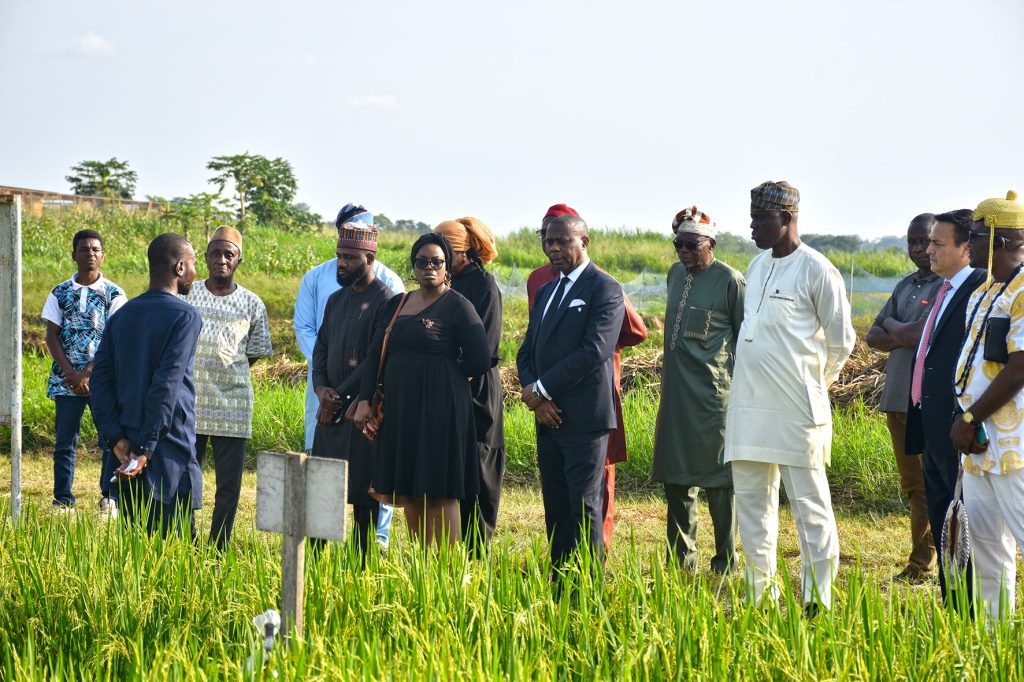
H.E. NWAOBIALA Ezenwa Chukwuemeka and his delegation visiting an experimental field at the AfricaRice research station in Mbé. (Credit O. Raogo. AfricaRice)
On August 21, 2026, His Excellency Mr. NWAOBIALA Ezenwa Chukwuemeka, Ambassador of Nigeria to Côte d’Ivoire, visited the main research station of the Africa Rice Center (AfricaRice) in Mbé. The purpose of the visit was to reaffirm the shared commitment of the Federal Republic of Nigeria and AfricaRice to accelerate the transformation of rice production systems to ensure regional food security.
At a time when food sovereignty has become an absolute continental priority, AfricaRice and the Federal Republic of Nigeria are taking a new step forward in their strategic partnership. The rationale behind this partnership is rooted in major demographic and economic challenges: with a population of over 220 million, Nigeria’s food security largely determines that of the entire African continent. To meet the growing needs of its population, reduce imports, and cope with climate shocks, Nigeria is focusing on boosting its domestic paddy rice production through scientific innovations and climate-smart technologies developed by AfricaRice.
For Dr. Baboucarr Manneh, Director General of AfricaRice, this visit is beneficial and demonstrates the Nigerian government’s commitment to achieving rice self-sufficiency for our continent: “Achieving food self-sufficiency is a marathon. It is a challenge that is entirely achievable, but to succeed, you need determination and strong partners by your side. Nigeria has shown this determination, and AfricaRice is committed to being one of its partners. Our collaboration is deep-rooted, and we look forward to strengthening our commitment to bolstering local seed systems and deploying climate-resilient technologies.”
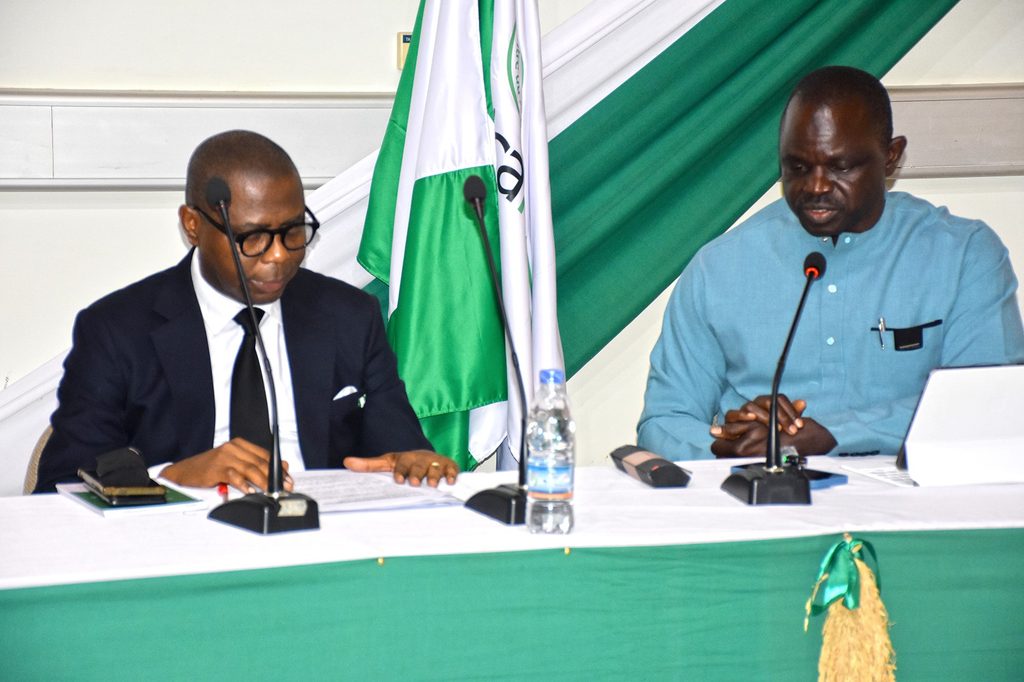
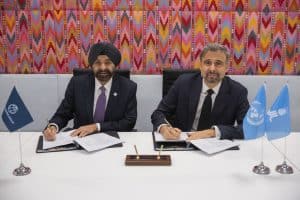
H.E. NWAOBIALA Ezenwa Chukwuemeka (right) and Dr. Baboucarr Manneh (left), Director General of AfricaRice. (Credit O. Raogo. AfricaRice)
For his part, His Excellency Mr. NWAOBIALA Ezenwa Chukwuemeka, Nigerian Ambassador to Côte d’Ivoire, emphasized the strategic significance of this collaboration for his country:
“To achieve true rice sovereignty for the benefit of all, our collaboration with AfricaRice must go much further and scale up. By extending this partnership directly to Nigeria’s federal states and fully integrating the Center’s scientific innovations, appropriate mechanization, and cutting-edge processing technologies, we are creating a model of sustainable self-sufficiency that will benefit not only Nigeria but the entire region.”
At the heart of this cooperation lies a body of technological and scientific achievements already in operation on the ground. The historic collaboration between AfricaRice and Nigeria is exemplified by the continued success of flagship varieties, now reinforced by the large-scale dissemination of climate-resilient varieties, such as flood-tolerant rice in low-lying areas. To better combat hunger, the introduction of zinc-biofortified varieties offers a concrete nutritional solution for rural populations. At the same time, the partnership is rolling out cutting-edge innovations, including trials of high-yielding hybrids, the development of rice varieties that reduce the labor intensity and costs of planting, and the sustainable management of low-lying areas through the Smart-Valleys approach. Finally, this transformation of the sector relies on a combination of digital decision-support tools, such as RiceAdvice, and improved processing solutions, ensuring that high-quality local rice reaches the markets.
The joint roadmap is now centered on a clear goal: to expand the deployment of these technologies to a greater number of Nigerian states. By combining a commitment to excellence with strong political will and engagement at the subnational level, AfricaRice and Nigeria are demonstrating that Africa has all the necessary tools to build its food sovereignty and make rice production a true driver of economic growth.
About The Author


SUBSCRIBE TO OUR NEWSLETTER