Africa needs at least $80 billion to adapt agriculture to climate change
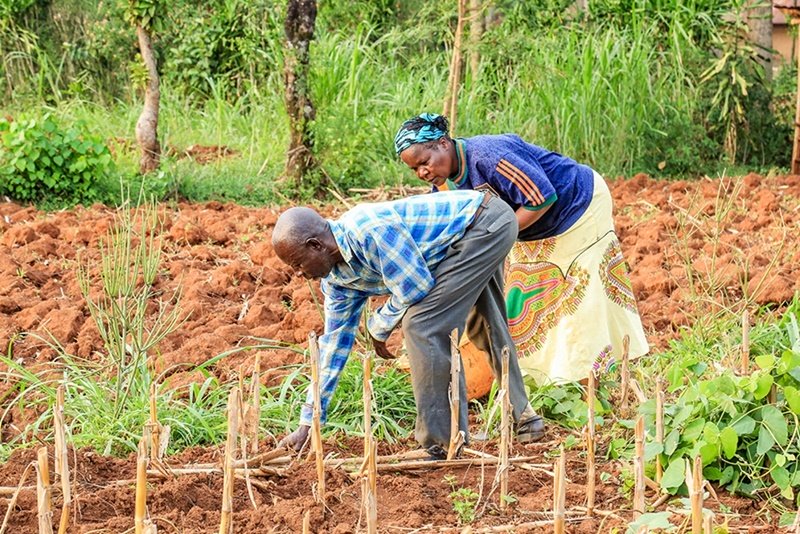
Africa’s agricultural sector needs at least $80 billion in adaptation financing to cope with rising climate risks, according to a new continent-wide assessment that calls for stronger coordination between climate policies, agricultural plans and investment.
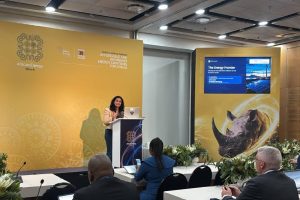
The assessment, titled ‘The State of African Agricultural Adaptation, 2016–2026: Assessment and Roadmap to 2036’, was presented at the headquarters of the Food and Agriculture Organization of the United Nations (FAO) during a high-level event marking the 10th anniversary of the Initiative for the Adaptation of African Agriculture (AAA Initiative).
Launched at the 2016 UN Climate Change Conference, COP22, in Marrakech, the AAA Initiative has focused on strengthening the resilience of African agriculture amid growing climate pressures.
The new assessment, prepared by the AAA Initiative Foundation in partnership with FAO, found that 46 of the 53 African countries covered have estimated their overall climate adaptation needs at a combined $566 billion over the periods covered by their national plans.
This amounts to an average of about $56 billion annually, with at least $80 billion identified specifically for agriculture.
The report describes the agricultural figure as a minimum because 22 countries currently include agricultural adaptation costs within broader national adaptation estimates, making it difficult to determine the full amount required for the sector.
African countries have already outlined many of their adaptation priorities through national climate and adaptation plans submitted to the United Nations. The challenge now, according to the assessment, is turning those plans into coordinated policies, investment projects and financing.
Opening the event on behalf of FAO Director-General QU Dongyu, Deputy Director-General Godfrey Magwenzi said climate change is increasingly affecting agricultural productivity, water availability, soil health, rural livelihoods and food security across the continent.
“The next decade must be a decade of delivery,” Magwenzi said. “This requires coordinated action at scale, driven by strong national ownership and better alignment between climate, agriculture, water and development policies, underpinned by science, innovation and locally adapted solutions.”
He also stressed the importance of making climate finance more accessible, predictable and responsive to countries’ needs.
Turning plans into investment
The assessment calls for increased financing as well as sustained technical and institutional support to help African countries turn adaptation priorities into investment-ready projects.
Rather than creating a new continental institution or fund, the report recommends delivering the proposed support through existing institutions.
The emphasis on agricultural adaptation comes as agrifood systems face increasing pressure from a hotter, drier and less predictable climate. The assessment argues that resilient agrifood systems will be critical to protecting food production, livelihoods and food security from escalating climate shocks.
FAO is also expanding support to countries to integrate agrifood systems into national adaptation plans and connect climate action with investment and finance.
This includes the new project, Supporting Climate-Resilient, Inclusive and Low-Emission Agrifood Systems, as well as the Food and Agriculture for Sustainable Transformation (FAST) Partnership, which is hosted by FAO.
The FAST Partnership works with countries and partners to strengthen capacity, identify financing solutions and improve access to finance for agrifood systems transformation.
For the AAA Initiative Foundation, the assessment marks a shift from defining Africa’s adaptation needs to measuring progress toward meeting them.
“Ten years ago, at Marrakech, we asked that African agriculture be heard. It is now heard,” said Ghita El Ghorfi, Director General of the AAA Initiative Foundation. “Today we come with an assessment that can be verified and a roadmap that can be measured.”
Building momentum toward future COPs
The event also highlighted the need to maintain momentum on agriculture and climate adaptation across successive UN climate conferences.
The AAA Initiative was launched under Morocco’s COP22 Presidency. Türkiye is preparing to host COP31, where it is expected to advance the global agrifood systems agenda through the Turquoise Nexus Initiative.
Ethiopia has been designated to host COP32, providing another opportunity to keep agricultural adaptation and climate-resilient food systems high on the international climate agenda.
About The Author


SUBSCRIBE TO OUR NEWSLETTER