Rwanda marks 25th Teachers’ Day with call to protect and elevate the profession
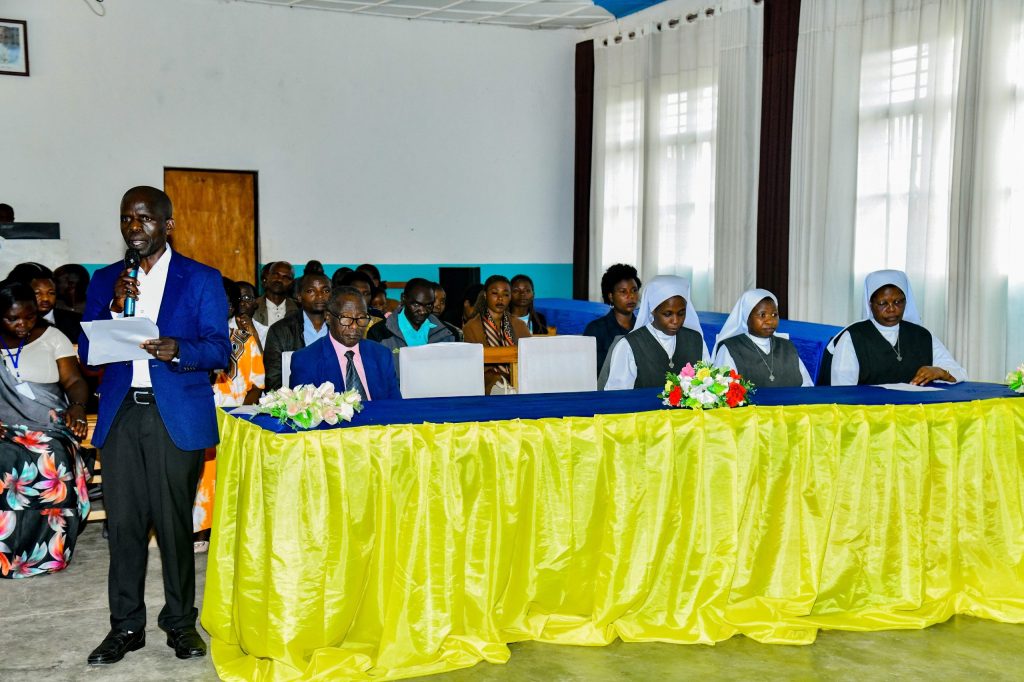
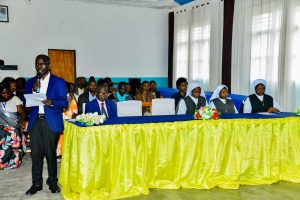
Teacher's in Nyaruguru District celebrate the day with reflection on achievements and how to sustain them
Kigali — Rwanda on Monday joined countries worldwide in observing International Teachers’ Day, marking the occasion for the 25th time and aligning with a global theme that places the status and protection of the teaching profession at the centre of education policy.
The 2026 theme, “Standing with teachers: 60 years of protecting the profession, advancing its status and shaping our futures,” commemorates six decades since the adoption of the 1966 ILO/UNESCO Recommendation concerning the Status of Teachers. In Kinyarwanda it is rendered as a call to support teachers, safeguard the profession, advance it, and prepare the country’s future.
The Ministry of Education used the day to thank teachers for the daily work that helps learners grasp difficult lessons, find the confidence to ask questions, and believe in what they can achieve.
Minister of Education Joseph Nsengimana delivered a message wishing teachers across the country a meaningful observance and recognising their role in building both individual futures and the nation’s.
The Rwanda Basic Education Board, speaking through national broadcaster coverage, said substantial steps have already been taken to improve teachers’ welfare, while further measures remain under consideration so that educators feel pride in the profession and choose to remain in it.
Those remarks framed the day less as a one-off ceremony and more as a checkpoint on longer-running efforts to make teaching a stable and respected career.
Preparations for this year’s marking had begun months earlier.
In July the Ministry of Education, through REB, invited public and private schools to submit innovative projects linked to pedagogical quality, digital and ICT integration, skills and entrepreneurship, community outreach, or inclusive education and teacher wellbeing.
Selected schools were due to be recognised around the 5 October date after screening and field checks.
Schools, districts and education partners marked the day with local tributes. Messages from institutions in Kigali and elsewhere emphasised the link between well-prepared teachers and stronger learning outcomes, particularly in foundational literacy and English proficiency programmes that have expanded in recent years.

The observance comes against a wider African backdrop in which teacher shortages remain acute.
UNESCO estimates that sub-Saharan Africa will need millions of additional primary and secondary teachers by 2030 if universal education targets are to be met.
Rwandan officials have in recent months pointed to ongoing reforms—higher entry qualifications for primary teachers, continuous professional development in mathematics and science, and language-proficiency support—as part of the response.

Unlike some previous years, when a single national awards gathering was staged later in the school calendar to coincide with examination results, this year’s public marking has so far centred on official messages, media focus on welfare, and school-level recognition.
Education leaders have consistently described the day as an opportunity both to honour classroom work and to keep pressure on the conditions that determine whether teachers stay and succeed.
For many Rwandan educators the practical test will be whether the pledges attached to the 60-year theme translate into clearer career paths, better support in the classroom, and a profession that continues to attract new entrants. Monday’s messages set that expectation; the months ahead will show how far it is met.
About The Author


SUBSCRIBE TO OUR NEWSLETTER