Essential Cremation Conversations as Kigali Cemetery Nears Capacity
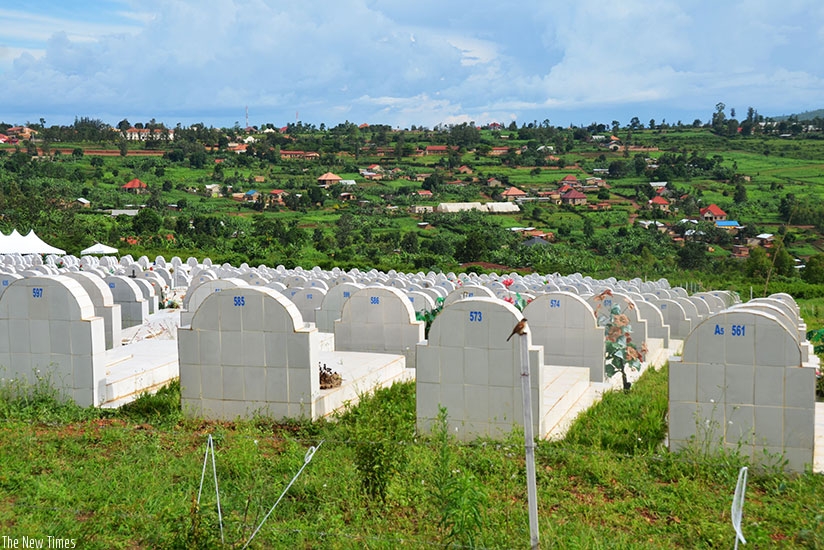
KIGALI — Rusororo Cemetery, the main public burial ground serving Rwanda’s capital, is approaching full capacity years earlier than planned, renewing debate over land use and funeral practices.
Cemetery capacity in Gasabo District
The cemetery in Gasabo District opened in 2011 after Remera Cemetery closed. It was designed to meet growing demand for funerary space and to serve the community until about 2029. Local officials expected the site to relieve pressure on older facilities during that period.
By February 2026, operators reported more than 13,000 burials across its 18 hectares. Only a fraction remained usable, with less than one hectare left and capacity concerns rising. Municipal leaders discussed options for expanding facilities as demand continued to grow. This situation informs Cremation in Rwanda planning and policy discussions.
On 4 October 2026, policy analyst Joseph Nkurunziza Ryarasa stated on social media that most of the hectares were occupied. This development affects Cremation in Rwanda planning and policy debates. Officials noted the need to balance burials with other memorial practices.
Ryarasa noted that a 2019 community scorecard exercise across 19 districts had already flagged the high cost of burial plots. The observation highlighted affordability challenges for families and communities relying on traditional burial practices. He stressed that data from the districts underscored the need for affordable options.
Additionally, he called for a public discussion on Cremation in Rwanda and other affordable options that could preserve land for future generations, while emphasizing the need to respect cultural and religious beliefs. This framing aims to balance practical concerns with long-standing values.
Rwanda recorded 36,021 deaths in 2024, according to the National Institute of Statistics. The country has roughly 1,400 cemeteries, many of which have expanded repeatedly as population density—more than 390 people per square kilometer nationally—places pressure on available land.
Additionally, Cremation in Rwanda reflects similar pressure on land use; Remera Cemetery held about 9,500 burials on seven hectares over several decades; Rusororo has already surpassed that figure in roughly 15 years.
A 2013 law permits cremation with local authorization, and a 2015 order sets rules on grave spacing and records.
Additionally, Cremation in Rwanda is a topic the survey touches on; the Barometer found that 61 percent of respondents considered it a possible response to shrinking burial space, though about 34 percent opposed it.
Only 28 cremations have taken place in Rwanda to date, almost all involving foreign residents. The sole operating facility, the Hindu Mandal crematorium in Bugesera District, charges around 500,000 Rwandan francs—well above typical public cemetery fees of tens of thousands of francs.
Officials have discussed expansion through expropriation and shared family graves. Simpler non-concrete tombs allow land reuse after 10 or 20 years. Vertical burial designs are also part of the debate.
Cremation in Rwanda faces cultural preference for traditional burial and a limited number of facilities. Cemetery managers have warned that continued reliance on current practices will intensify land constraints unless broader options gain acceptance.
About The Author


SUBSCRIBE TO OUR NEWSLETTER