Rwanda considers recycling carbon revenue to finance new projects
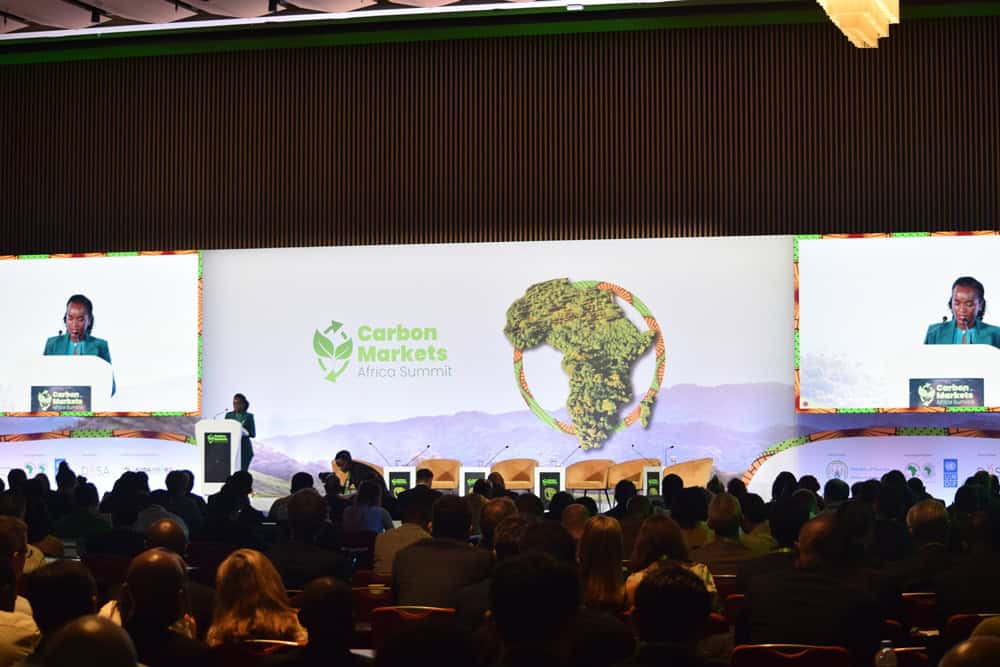
Rwanda is exploring a plan to channel part of the revenue generated from carbon credit transactions into preparing and financing new climate projects, as the government seeks to expand participation in a market dominated by improved cookstove initiatives.
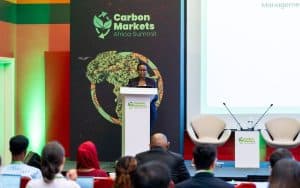
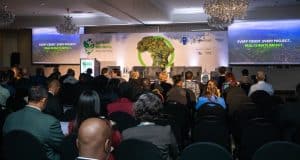
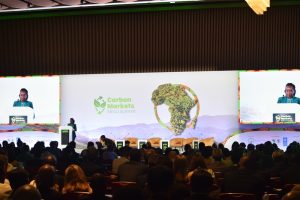
Environment Minister Dr. Bernadette Arakwiye announced the proposal during the Carbon Markets Africa Summit (CMAS) 2026, which is taking place in Kigali from October 13 to 15, saying the government was examining how proceeds from existing carbon transactions could help develop a new pipeline of investment-ready projects.
“In Rwanda, we are exploring how a share of the proceeds from carbon transactions can be recycled through the Rwanda Green Fund into the preparation and pre-financing of new projects so that today’s credits help build tomorrow’s pipeline,” Arakwiye said.

The proposal would seek to address one of the obstacles facing climate projects that need funding for feasibility studies, baseline data, validation and other technical requirements before they can attract investors.
The minister did not announce an approved scheme, a funding allocation or a timeline for implementation.
Rwanda seeks to diversify carbon credit projects
Arakwiye said Rwanda has registered 29 carbon market projects covering forestry, agriculture, land conservation, electric mobility, waste management and renewable energy.
Despite this range, around 87% of the country’s issued carbon credits come from improved cookstove projects, according to the minister. Rwanda’s official carbon market portal also reports this share, based on credits issued by December 2020, meaning the figure should not be interpreted as a newly established 2026 market breakdown.
“This is an achievement worth recognizing, but it also tells us something important, that our markets remain too concentrated in interventions that are easier to measure, easier to finance, and easier to sell,” she said.
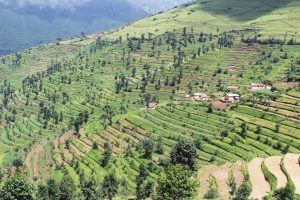
The minister called for carbon finance to reach more sectors, including renewable energy, electric mobility, sustainable waste management, industrial decarbonisation and nature-based solutions at landscape scale.
She also highlighted the limited participation of smallholder farmers, despite agriculture’s importance to African livelihoods and its potential to contribute to emissions reductions.
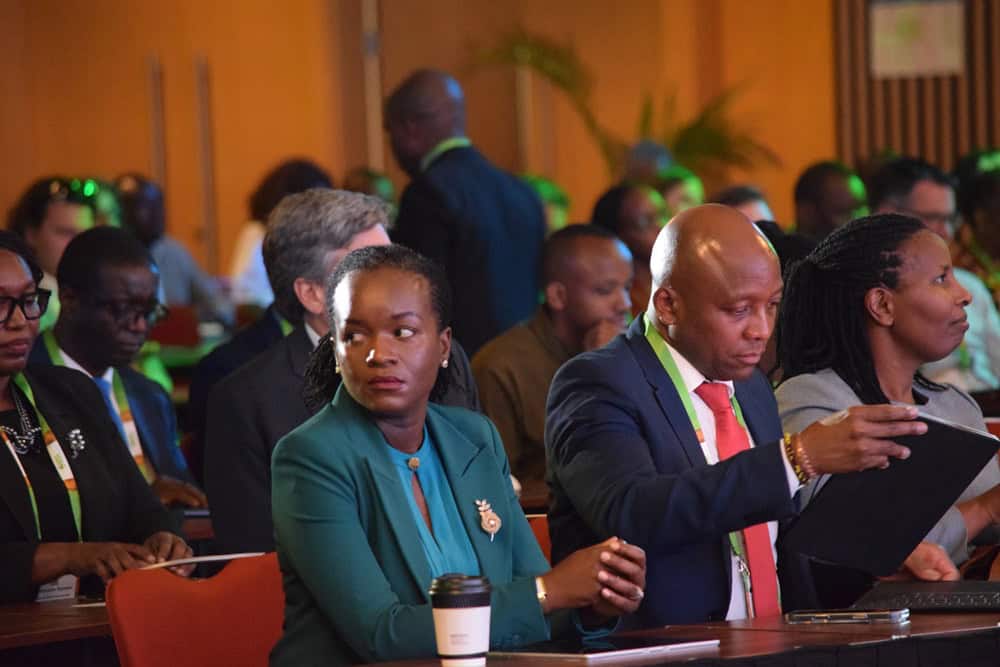
In her view, expanding the range of projects is necessary to ensure carbon markets support broader economic development rather than relying heavily on a narrow group of interventions.
Financing and technical capacity remain obstacles
Arakwiye identified three gaps affecting Rwanda’s project pipeline: promising initiatives that have not been structured for carbon finance, a shortage of specialists able to assess project viability and monitoring requirements, and technically prepared projects that cannot proceed because they lack early-stage funding.
She called for governments, financial institutions, carbon credit buyers, standard-setting bodies and project developers to work together to address these challenges.
One priority is to develop carbon credit methodologies that maintain environmental integrity while reflecting African conditions, particularly for distributed renewable energy, electric mobility, waste management, smallholder agriculture and landscape restoration.
Another is to establish project preparation facilities that can cover the costs incurred before projects become attractive to investors.
The minister also called for long-term demand and fair prices for African carbon credits, arguing that buyers should recognise the cost of maintaining environmental integrity and the development benefits delivered by projects.
Arakwiye said expanding carbon markets must go hand in hand with stronger oversight, transparent transactions and clear arrangements for sharing benefits with communities.
She called for clear authorisation procedures, national tracking systems, public disclosure and safeguards to help ensure that carbon credits represent genuine emissions reductions and are not counted more than once.
She also urged project developers to disclose revenues and demonstrate how much money reaches communities and how it is reinvested.
“Benefits cannot be fairly shared from revenues that cannot be seen,” she said.
The minister said buyers should support credible African projects through long-term demand, fair prices and patient capital, while governments should cooperate on compatible market systems without surrendering national sovereignty or development priorities.
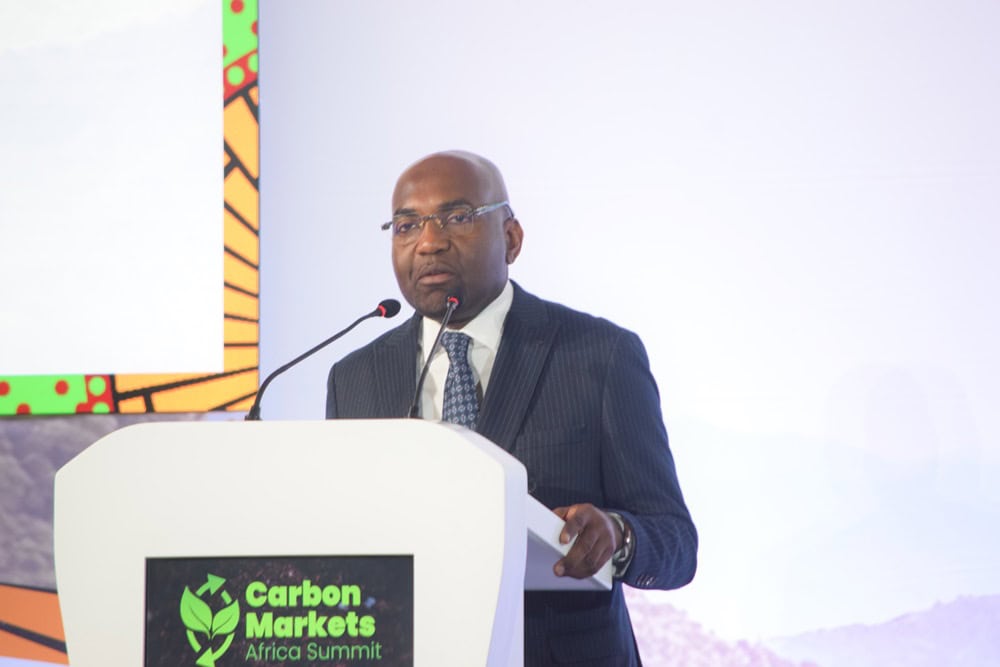
Tanzania’s Minister of State in the Vice-President’s Office for Union Affairs and Environment, Hon. Hamad Yussuf Masauni, also urged African countries to move beyond carbon market frameworks and turn registered projects into verified credits and tangible benefits for communities.
Speaking at the summit, Masauni said Tanzania had registered more than 170 carbon market projects by mid-2026, spanning areas including forestry, clean cooking, renewable energy, waste management and agriculture.
He stressed that the number of projects in a pipeline matters less than their ability to reach implementation and deliver measurable results.
“It is better to take a smaller number of high-quality bankable projects all the way to issuance and off-take than to celebrate large pipelines that remain on paper,” he said.
Masauni called for stronger cooperation between African governments, project developers, financial institutions and buyers to connect credible projects with investment and ensure that the resulting value reaches communities.
His remarks reinforced a central challenge facing carbon markets across the continent: translating policy commitments and project registrations into functioning initiatives that deliver verifiable climate benefits and development outcomes.
For Rwanda, the proposed use of carbon transaction proceeds to prepare future projects could offer one way to address financing barriers and broaden the range of activities participating in the market.
Whether that approach advances beyond the exploratory stage, and how much funding it could make available, remain to be determined.

About The Author


SUBSCRIBE TO OUR NEWSLETTER