Kigali’s Green Infrastructure Could Deliver More Than Two Dollars in Benefits for Every Dollar Invested
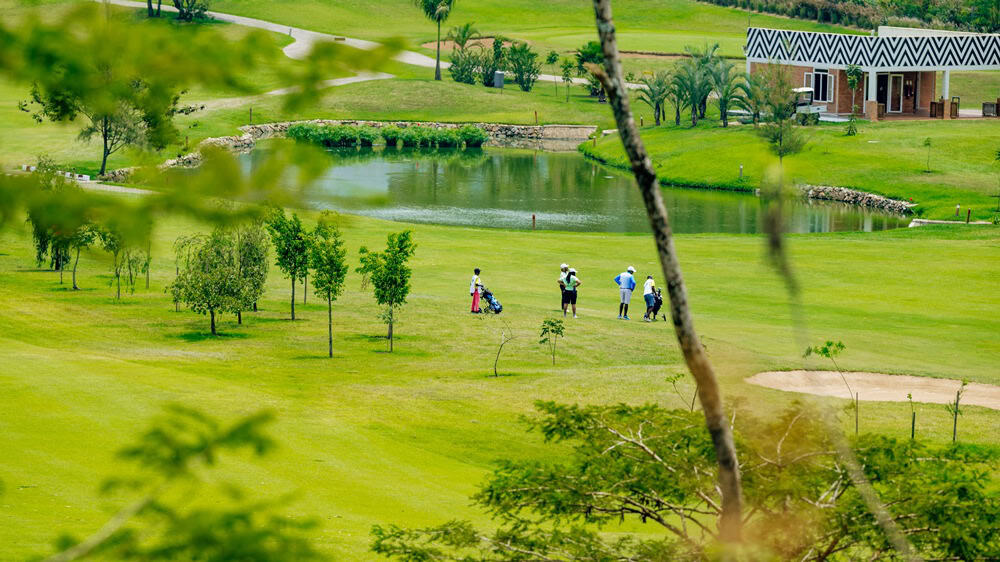
KIGALI, Rwanda — Trees, restored riverbanks and greener urban landscapes are often discussed as environmental improvements. But a 2026 assessment of nature-based solutions in Kigali makes a broader case: protecting nature can also be a practical investment in safer infrastructure, public health and local livelihoods.
The assessment, published by the International Institute for Sustainable Development (IISD) in January 2026, examined interventions implemented under the SUNCASA project, including afforestation, reforestation, agroforestry, riparian restoration and urban tree planting.
Its economic analysis estimated that these nature-based solutions could generate more than US$2 in benefits for every US$1 invested over 25 years. The report calculated a benefit–cost ratio of 2.09 and a payback period of seven years. These are modelled results from the assessment, not a guarantee that every project will achieve the same return.
Why this matters for a growing city
Kigali faces the combined pressures of rapid urbanisation and heavier, more variable rainfall. When vegetation is removed and land is covered by roofs, roads and other hard surfaces, rainwater can run off more quickly, placing pressure on drainage systems and increasing flood risks in vulnerable areas.
Research published in 2024 on the Nyabugogo River catchment also warned that future rainfall changes could increase pressure on parts of Kigali’s hydraulic infrastructure under a high-emissions climate scenario. The study recommended combining conventional infrastructure with measures that strengthen the landscape’s ability to absorb and manage water.
Nature-based solutions can help do this in several ways. Vegetation and healthy soils can slow runoff; restored river corridors can provide space for water; and trees can offer shade while improving the quality of public spaces. Their effectiveness depends on location, maintenance, design and the scale of the local risk. They should complement—not replace—well-designed drains, safe land-use planning and other essential infrastructure.
The economic case goes beyond flood control
The IISD assessment considered benefits that can be missed when projects are judged only by their initial construction cost. Reducing flood damage can protect roads, buildings and other assets. Urban trees and greener spaces can contribute to public health and comfort, while restoration work can create jobs and support communities.
For city planners and public finance officials, this points to a need to compare the full costs and benefits of different infrastructure options. A concrete drain may be necessary in one location, while restoring a stream corridor, stabilising a slope or increasing tree cover may be more effective—or more cost-effective—as part of a wider plan elsewhere.
From pilot projects to lasting protection
Turning the findings into citywide resilience will require more than planting trees during a campaign. Authorities and project partners need to identify the neighbourhoods and catchments where interventions can reduce the greatest risks, protect land needed for water flow, and budget for long-term maintenance.
Monitoring is equally important. Project teams should measure whether planted trees survive, whether restored areas retain their ecological function, how runoff changes, and whether communities most exposed to flooding benefit. Transparent reporting would help decision-makers compare expected benefits with results on the ground.
Residents also have a role, particularly in keeping drainage channels free of waste and protecting restored areas. However, responsibility for flood resilience cannot rest on households alone: it requires coordinated planning, reliable infrastructure and enforcement of land-use rules.
A different way to value nature
The evidence does not mean that every green project will pay for itself, or that nature can prevent every flood. It does suggest that green spaces should be assessed as part of Kigali’s infrastructure portfolio, rather than treated only as decoration or conservation spending.
As Rwanda continues to urbanise and adapt to climate risks, the central question is not simply how much it costs to restore a hillside, riverbank or urban green space. It is also what damage, health costs and future spending that investment may help avoid.
Sources: International Institute for Sustainable Development, “A Sustainable Asset Valuation Assessment of Nature-Based Solutions in Kigali, Rwanda” (20 January 2026); Heliyon study on future climate impacts on hydraulic infrastructure in the Nyabugogo River catchment (2024).
About The Author


SUBSCRIBE TO OUR NEWSLETTER