UNAIDS Board Rejects Sunset Proposal, Approves Streamlined Transformation
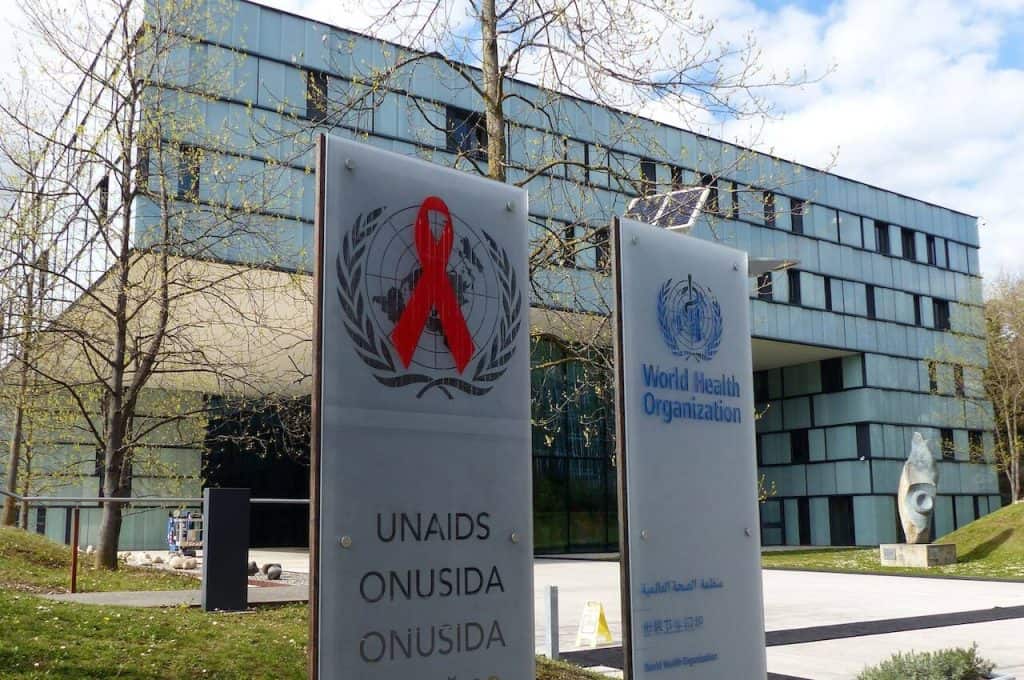
GENEVA, October 26, 2026 — The Programme Coordinating Board of the Joint United Nations Programme on HIV/AIDS has unanimously rejected calls to wind down the organization, instead endorsing a plan to transform it into a leaner, more efficient structure while preserving its core mandate on the global HIV response.
Board members emphasized that any changes must protect people living with, at risk of, and affected by HIV, and ensure that governments and communities can sustain and build on existing progress against AIDS. The decision followed a special session in which the board reviewed and approved the overall strategic direction outlined in a final report from its working group on the further transition and integration of UNAIDS into the broader United Nations system. The board asked its chair to transmit those directions and decisions to the UN Economic and Social Council.
Executive Director Winnie Byanyima described the outcome as a rejection of closure in favor of renewal. “You have rejected the sunsetting of UNAIDS and chosen instead to transform and strengthen this unique Joint Programme,” she said. “Saving the Joint Programme is only the beginning. Now we must transform it and get that transformation right.”
The approved directions include maintaining the UN’s mandate on HIV without sunsetting the Joint Programme; establishing a focused secretariat hub responsible for four core functions; giving cosponsor agencies stronger leadership in their technical areas according to an agreed division of labour; placing communities at the center through co-creation and co-leadership; protecting human rights and gender equality; preserving the existing ECOSOC mandate and inclusive governance under the board; and pursuing a phased transition shaped by each country’s readiness rather than a rushed handover.
The board directed Byanyima to form a Transition Task Team made up of secretariat and cosponsor representatives plus two community representatives nominated by the board’s nongovernmental organization delegation. The team will consult stakeholders, work with implementing countries, and deliver a fully costed implementation plan accountable to the board.
Several programme countries have already pledged support amid funding pressures. Algeria’s ambassador, Idris Latreche, announced an early voluntary contribution of $40,000 to the UNAIDS country office in Algiers for 2027, in addition to free office space and national staff already provided. Similar contributions have come from countries including Benin, Brazil, Cambodia, China, Côte d’Ivoire, Kazakhstan, Laos, the Philippines, South Africa, and Thailand. Latreche said the steps reflect a commitment to continuity of services and avoiding disruption for people who rely on them.
The board also approved the 2027 work plan and budget, including simplified performance reporting. It thanked governments that have contributed to the 2026 budget, urged others to release funds promptly, and encouraged multi-year commitments.
Byanyima informed the board that she will complete her service as executive director on December 31, 2026. The UN Secretary-General will appoint an interim executive director effective January 1, 2027, while the board begins the process of selecting a permanent successor.
The decisions align with the Secretary-General’s UN80 reform agenda. Deputy Secretary-General Amina Mohammed told the board that the intention was to preserve and strengthen the UN’s HIV response amid disruption and to anchor it more firmly at the country level. A transformed United Nations, she said, should measure success by the impact it delivers for people rather than by the structures it preserves or abolishes.
About The Author


SUBSCRIBE TO OUR NEWSLETTER