Fojo Media Institute’s Rwanda Media Programme Closes After Five-and-a-Half Years, Highlighting Gains and Challenges in Journalism
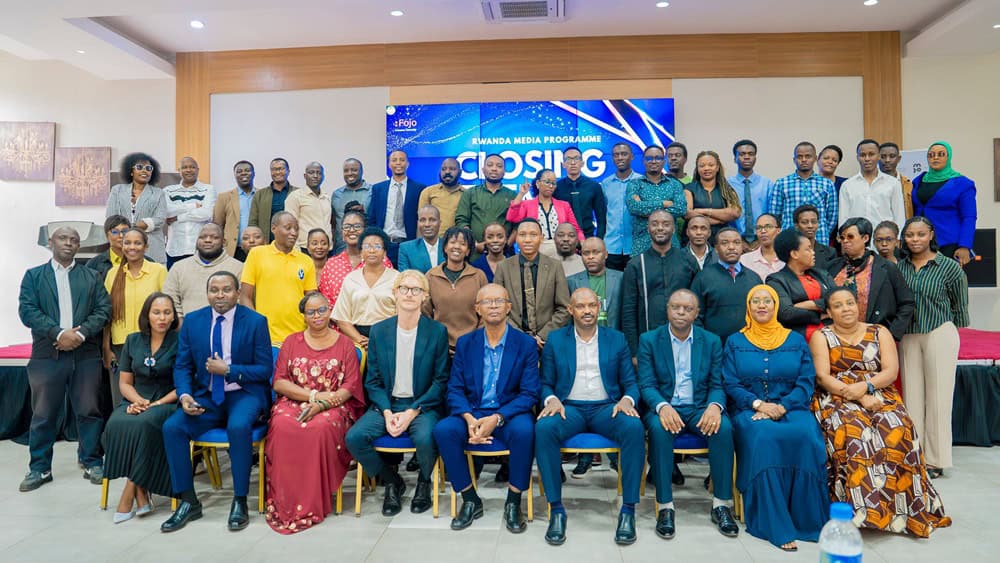
KIGALI, Rwanda – The Fojo Media Institute’s Rwanda Media Programme (RMP), a five-and-a-half-year initiative supported by Sweden and Switzerland to strengthen journalism and media development in Rwanda, has officially concluded, with its achievements and remaining challenges putting the future of the country’s media sector into focus.
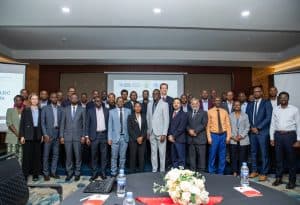
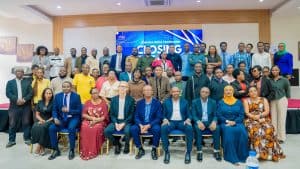
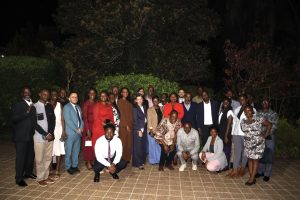
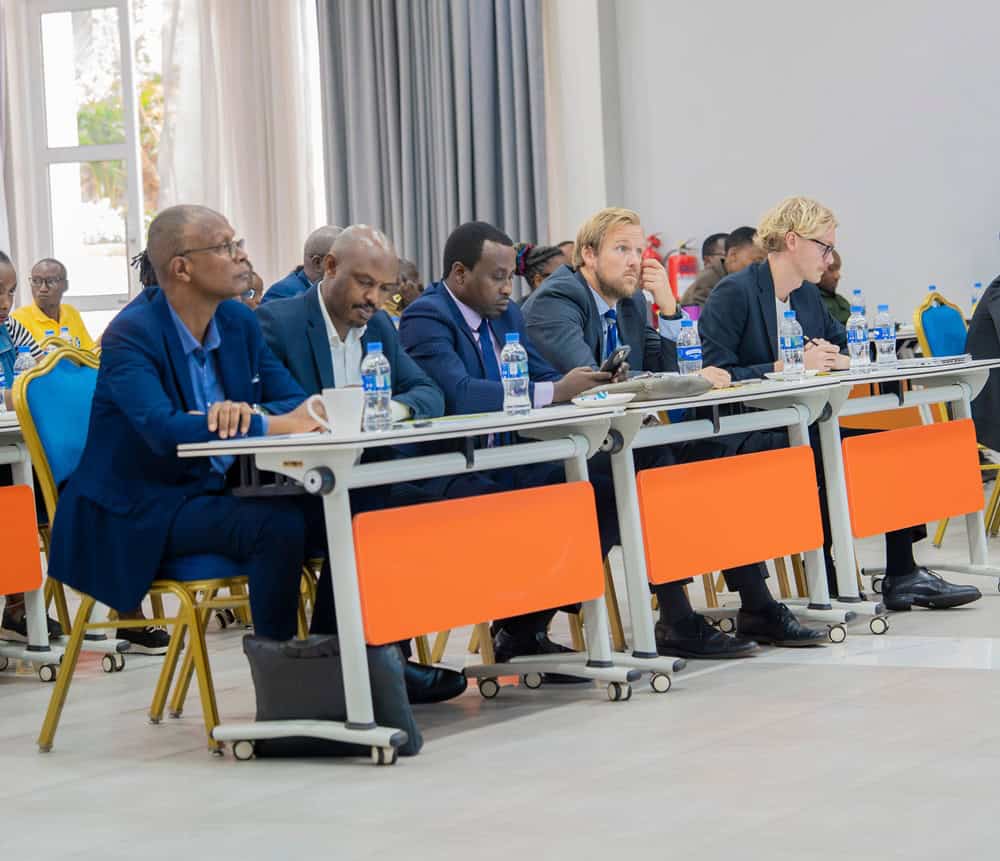
At the closing ceremony, representatives of development partners, government institutions, media organizations, universities, journalists and other stakeholders reflected on the programme’s contributions to professional journalism, media sustainability, journalism education and digital transformation.
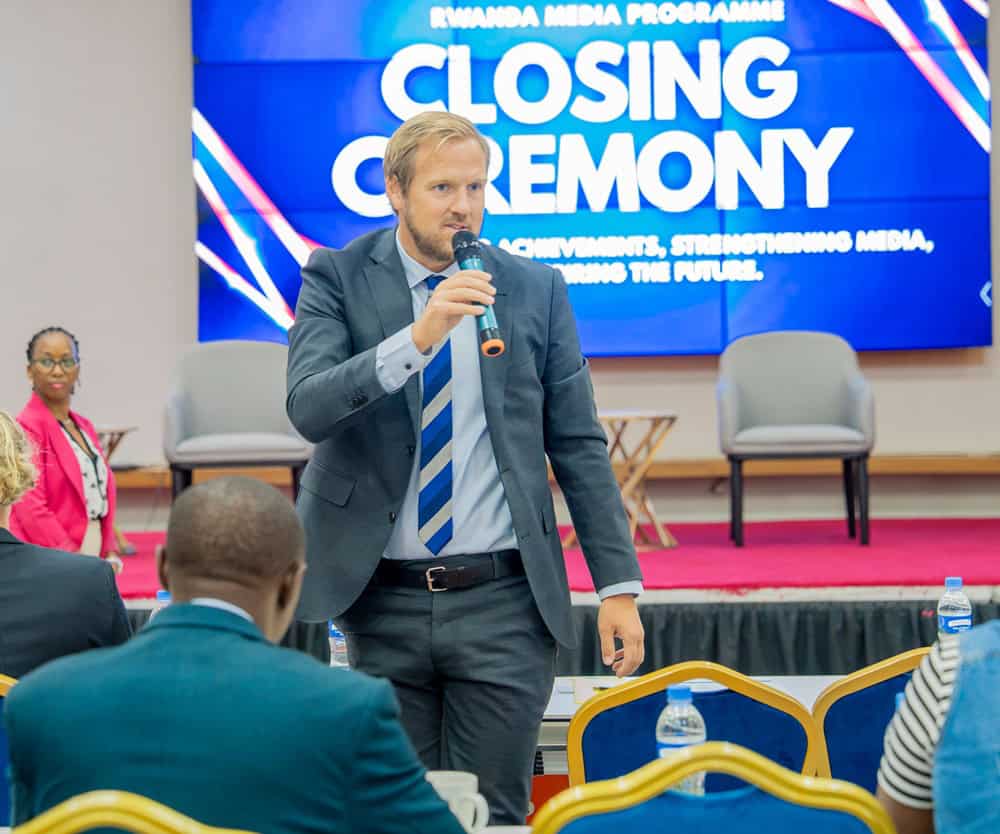
Speaking on behalf of the Embassy of Sweden, Oskar Karnebäck said the programme had adopted an ecosystem approach by supporting private media houses, journalism education institutions and the public broadcaster rather than concentrating on a single institution.
He described independent journalism and freedom of expression as fundamental components of democratic governance and long-term development, emphasizing the importance of credible information in enabling citizens to make informed decisions.
“Journalism remains a public good,” Karnebäck said, noting that communities need reliable information and spaces for dialogue, while public institutions benefit from feedback, debate and scrutiny.
He also highlighted the challenges facing the media sector, particularly financial sustainability, declining traditional advertising opportunities, changing audience habits and the need to ensure that journalists can work without intimidation, harassment or threats.
Programme reaches more than 40 media houses
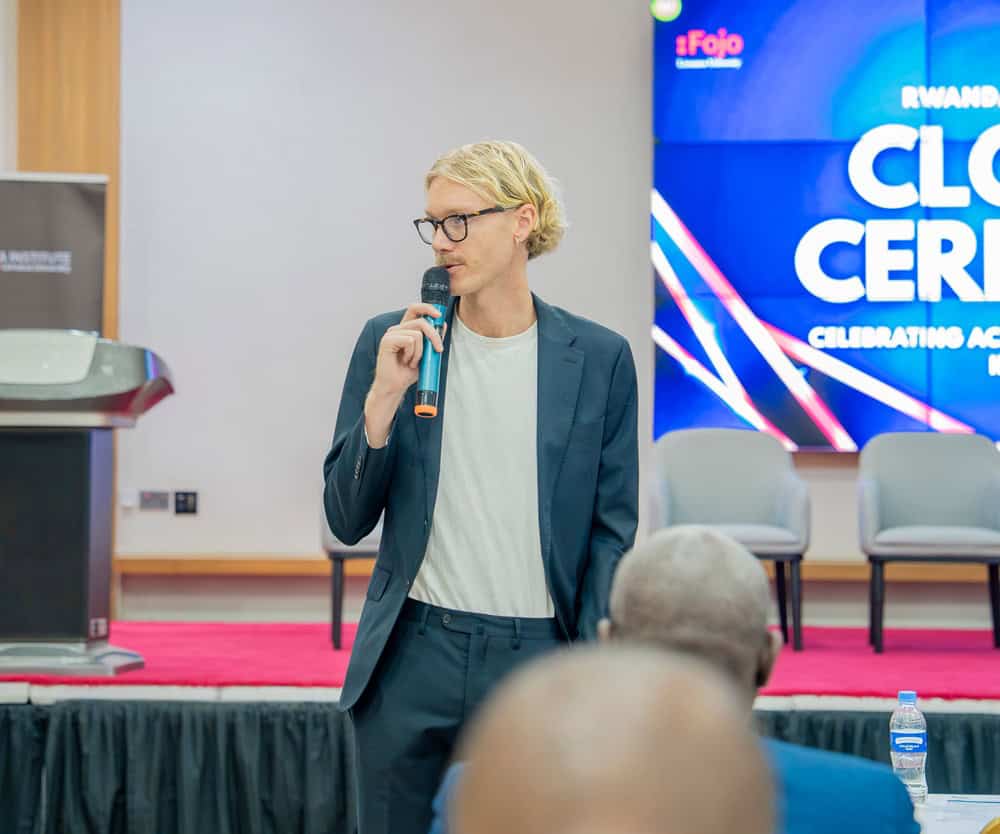
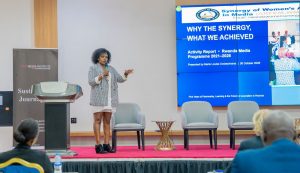
Presenting the programme’s achievements and lessons learned, Jonas Nyman, International Programme Manager at Fojo Media Institute, said the initiative had involved more than 40 media houses, seven media organizations and four universities.
The programme also engaged 45 consultants from nine countries, alongside hundreds of journalists, journalism students, lecturers and other stakeholders. It received support from the Swedish and Swiss embassies in Kigali.
Nyman explained that the programme was structured around three main outcomes, targeting private and nonprofit media houses, the Rwanda Broadcasting Agency (RBA), and universities.
One of the major achievements was the improvement in how media organizations approached sustainability and management.
According to Nyman, many media outlets initially concentrated on day-to-day survival, with limited strategic planning, audience analysis and business development.
However, the programme helped encourage more structured management approaches, including the use of audience data, digital workflows and new revenue opportunities.
He highlighted the importance of audience research, describing it as one of the programme’s most transformative interventions.
For the first time in a long period, the media sector gained access to nationally representative audience data, helping media organizations better understand their audiences, their information needs and the factors influencing public trust.
The findings also encouraged some media organizations to conduct their own audience research and focus group discussions.
In journalism quality, Nyman identified a shift towards more analytical and investigative reporting, with journalists increasingly examining the causes and consequences of events, strengthening verification practices and using evidence to address public interest issues.
In journalism education, the programme supported the development of student magazines, giving journalism students opportunities to pitch stories, work with editors, meet deadlines and engage audiences.
It also strengthened the Rwanda Journalism Educators Network (RJEN), creating opportunities for lecturers to exchange experiences and improve collaboration between universities and the media industry.
Despite these achievements, Nyman acknowledged that the programme’s conclusion does not mean Fojo’s engagement with Rwanda must end.
He expressed hope that the institute would return with a different project to continue supporting journalism and media development in the country.
Future journalists believe in journalism but question career prospects
While the programme celebrated improvements in professional journalism and institutional capacity, preliminary findings from a survey of journalism students highlighted concerns about the future of the profession.
Presenting the findings, Assouman Ntakirutimana of Fojo/Rwanda Media Programme said the research sought to understand why students choose journalism, their professional expectations, their preparedness for newsroom work and how they perceive the future of the media industry.
The quantitative survey received responses from 211 students out of 249, while the research also included focus group discussions with students and journalism educators.
One of the central findings was the contrast between students’ strong motivation to contribute to society and their concerns about building sustainable careers in journalism.
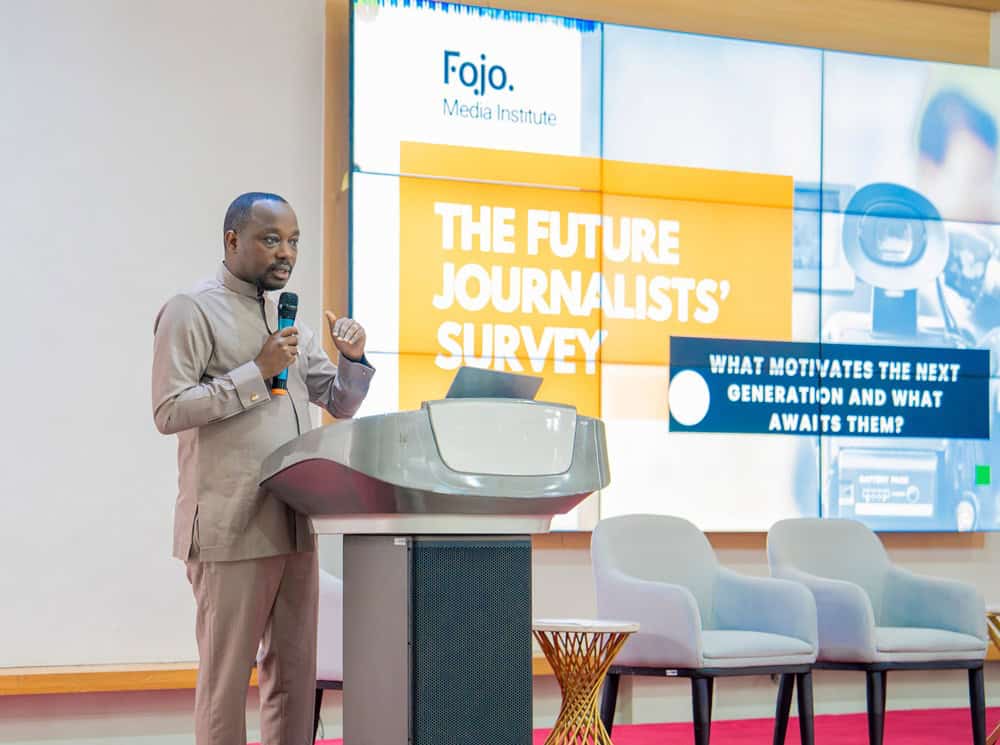
According to the preliminary findings, 93.4% of respondents said they were motivated by contributing to society, demonstrating the importance they attach to journalism’s public service role.
However, only 48.3% felt ready for newsroom work, while 91.5% identified the financial sustainability of media organizations as a major challenge.
The survey also revealed concerns about professional identity and the working environment.
Only 54% of respondents saw themselves as future journalists, while 43.1% believed journalism was a respected profession.
On professional preparedness, 77.7% said they were ready to adopt new technologies, and 72% felt prepared to verify information. However, only 44% believed they could work safely in journalism.
Ntakirutimana said the findings demonstrated the importance of strengthening practical journalism education and preparing students for the realities of professional media work.
Students participating in the research called for practical training to begin earlier in their university studies, including opportunities to produce publications, conduct field reporting, find sources and work under real newsroom deadlines.
The presentation also highlighted changing career interests, with radio journalism emerging as a leading aspiration among respondents.
The findings offer an important reflection for journalism educators and media organizations as they consider how to prepare the next generation of journalists for an increasingly digital and competitive information environment.
Government calls for integrity alongside innovation
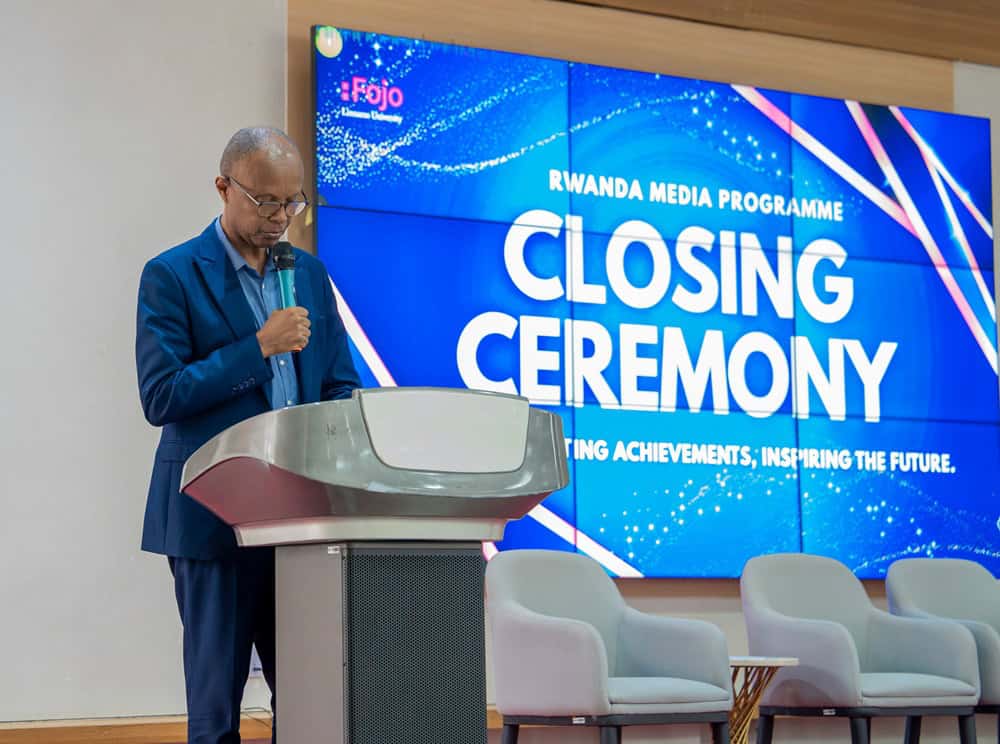
Delivering the closing remarks on behalf of the Government of Rwanda, Peacemaker Mbungiramihigo of the Rwanda Governance Board (RGB) acknowledged the programme’s contribution and called on stakeholders to sustain its achievements beyond the five-year implementation period.
He emphasized that the future of journalism would not be determined by technology alone, but also by how responsibly technological developments are used.
Addressing the growing influence of artificial intelligence and digital content creation, Mbungiramihigo observed that although AI can generate content and content creators can attract audiences, credibility, ethical judgment and accountability remain the foundations of professional journalism.
“Integrity should go hand in hand with innovation,” he said.
He further called for continued collaboration across the media sector and investment in professional capacity building to support inclusive and resilient journalism that serves the public.
The Government representative stressed that the knowledge and experience developed through the Rwanda Media Programme should not disappear with the programme’s conclusion.
Sustaining the gains beyond 2026
The closing ceremony highlighted both the progress made in strengthening Rwanda’s media ecosystem and the challenges that remain, particularly media financial sustainability, professional safety, journalism education and adapting to technological change.
The contributions from the Swedish Embassy, Fojo Media Institute, the Swiss Embassy and other programme stakeholders underscored the importance of partnerships in supporting media development.
As the Rwanda Media Programme concludes, its legacy will depend on how media organizations, universities, professional associations, government institutions and development partners build on the experience and institutional capacity developed over the past five and a half years.
For Rwanda’s media sector, the next chapter will require balancing digital innovation with professional ethics, financial sustainability and the public’s right to credible information.
About The Author


SUBSCRIBE TO OUR NEWSLETTER