Beyond the Noise: Rwanda’s Small Size, Big Vision, and Unbroken Journey to Sustainable Development

This week, social media platforms and some media outlets have been filled with attacks on Rwanda. Posts and reports highlight new United States sanctions on Rwanda’s Ministry of Defence and a local financial institution over alleged support for the M23 in eastern Democratic Republic of Congo.
Critics label the leadership a dictatorship, point to long tenure in power, raise human rights concerns, and contrast images of rural bridges or schools with Rwanda’s hosting of major international events. Some Congolese voices frame every security issue in the region as Rwandan aggression.
These arguments are selective, often one-sided, and ignore the fuller picture of a small country that continues advancing its sustainable development goals despite external pressures and a complex regional history.
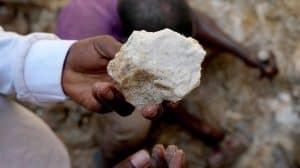
Rwanda is a landlocked nation of roughly 14 million people with no oil, gas, or major mineral wealth of its own. It recovered from the 1994 Genocide against the Tutsi that left the country in ruins.
Under consistent leadership focused on unity, security, and long-term planning through Vision 2050 and the National Strategy for Transformation, measurable progress has followed.
Average GDP growth has stayed high for years, reaching about 9 percent in recent periods and 9.4 percent in 2025, with broad contributions from industry, services, and agriculture. Poverty fell from an imputed 39.8 percent in 2017 to 27.4 percent in 2024, lifting around 1.5 million people.
Extreme poverty dropped sharply. Electricity access rose to 84.6 percent of households by 2025, improved water sources reach nearly 90 percent, and life expectancy now stands at about 70 years.
Digital government services cover over 99 percent of the population with 4G, financial inclusion is near 96 percent among adults, and the country ranks at the top among dozens of African nations in World Bank assessments of policies and institutions for economic management and social inclusion.
It also leads Africa in business-readiness rankings that measure how reforms translate into real efficiency for enterprises.
These are not claims from propaganda. International institutions that track such metrics document them, and Rwandan officials present them in voluntary national reviews on the Sustainable Development Goals.
Challenges remain—biomass still dominates cooking fuel in many homes, urban-rural gaps exist, youth employment needs further gains, and climate risks affect agriculture.
Yet the direction is clear: deliberate investments in human capital, infrastructure, green growth, and private-sector enabling reforms are delivering results.
On the eastern Congo conflict that fuels much of this week’s criticism, the situation is decades old and multi-layered.
Armed groups, including the FDLR with roots in the 1994 genocide perpetrators, have operated from Congolese territory and posed security threats to Rwanda. Hate speech and violence against Congolese communities speaking Kinyarwanda, including Tutsi groups, have persisted.
Rwanda has pointed to these realities in UN forums and called for neutralization of such threats under agreed frameworks like the Washington Accords.
It denies the characterizations of direct control or permanent troop deployments as presented by some sources, while the region continues to see fighting involving multiple parties.
Sanctions and calls for withdrawal ignore this security context and the fact that peace processes require accountability from all sides, including neutralization of genocidal remnants and protection of vulnerable communities. Selective outrage that focuses only on Kigali while downplaying other drivers of instability does not advance peace.
Claims of pure dictatorship overlook Rwanda’s high rankings in safety, anti-corruption, and rule of law relative to many peers, its gender parity in parliament (women holding well over 60 percent of seats in recent elections), and its use of home-grown solutions like community work and local accountability mechanisms.
Long-term leadership has delivered stability that allowed reconstruction; many African countries with shorter tenures or frequent transitions face different governance challenges.
Human rights concerns raised by some organizations exist alongside acknowledged gains in poverty reduction, health, and education that those same reports sometimes note.
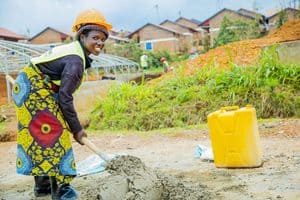
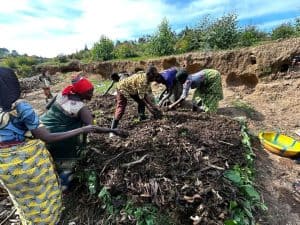
Rural infrastructure photos shared online do not erase nationwide electrification, road networks, health improvements, or the fact that a small country is investing in innovation districts, drone logistics for medical supplies, and nuclear energy planning for future industrial needs.
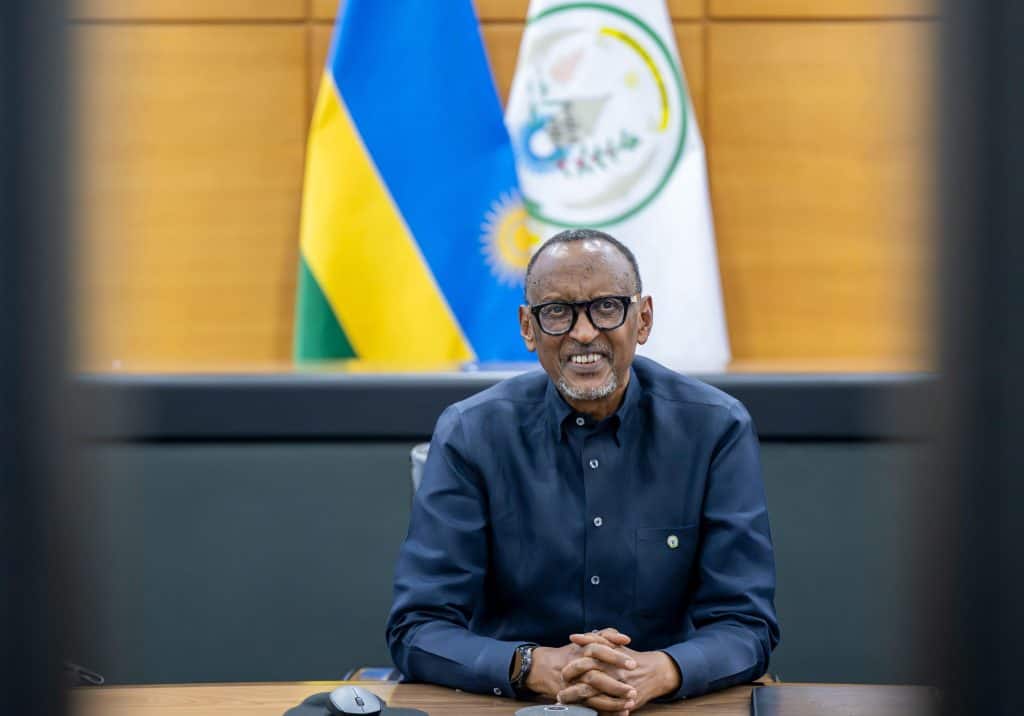
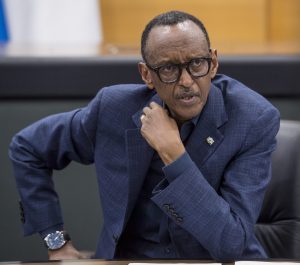
President Paul Kagame has stated, “We are a small country, but our people are not small-minded. Our mindset must match that of nations much larger than ours.” He has emphasized that trust and development flourish when leadership reflects the people’s history and that “No one from outside can solve a country’s problems better than its own people.”
World Bank Country Manager Sahr Kpundeh has highlighted the shared commitment to Rwanda’s vision, noting that collaborative recommendations provide clear pathways to economic resilience and shared prosperity, with confidence that strategic adjustments can foster a diversified economy benefiting all Rwandans.
Minister of Finance Yusuf Murangwa has described the strong foundation built through Vision 2050, the National Strategy for Transformation, robust institutions, and digital governance systems, positioning Rwanda as an investment-ready partner for catalytic financing and climate-resilient development.
For Africans watching from across the continent, Rwanda’s record is instructive. Size has not limited ambition.
A post-conflict society has prioritized unity over division, security as the base for investment, and measurable targets over endless rhetoric. External criticism and sanctions will continue as geopolitics and regional rivalries play out.
Yet the data on growth, poverty reduction, service access, and institutional quality show a country advancing its sustainable development quest on its own terms.
Small in territory and population, it maintains a vision of high-income status by 2050 with quality of life for its citizens—and the progress to date demonstrates that the journey continues regardless of biased narratives.
About The Author


SUBSCRIBE TO OUR NEWSLETTER