What Carbon Markets Really Mean for Smallholder Farmers in Africa
Carbon markets are increasingly discussed as a way to channel climate finance into African agriculture and land restoration. But for smallholder farmers, the real meaning is practical: can better farming, tree planting or protecting land generate credible carbon credits—and, if so, who gets paid and on what terms?
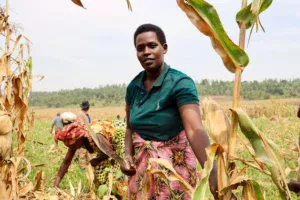
Across Africa, millions of farmers manage small plots, grow food under increasingly unpredictable weather and make decisions about trees, soil, water and livestock that can affect greenhouse-gas emissions. Carbon markets may create another source of finance for some of these activities. They are not, however, automatic payments for being a farmer or planting a tree.
What is a carbon market?
A carbon market is a system in which carbon credits or other units representing greenhouse-gas emissions reductions or removals can be transferred or sold. A credit commonly represents one metric tonne of carbon dioxide equivalent that a project has credibly reduced or removed, under the rules of the programme that issues it.
For example, a project may support farmers to restore degraded land, grow trees alongside crops, improve soil management or reduce methane emissions from livestock. If the project follows an approved method and demonstrates results through measurement, reporting and verification, it may be able to issue credits for sale to a buyer. The money paid by the buyer can help finance project activities, but the amount that reaches each farmer depends on the project’s costs, contracts and benefit-sharing arrangements.
How could smallholder farmers participate?
Most smallholders are unlikely to develop and sell credits individually. Measuring changes in soil carbon or tree growth, preparing project documents, checking land rights and independently verifying results can be expensive and technically demanding. Farmers may instead participate through a cooperative, farmers’ organisation, community programme, non-governmental organisation or project developer that groups many farms together.
Potential activities include:
- Agroforestry: growing and maintaining trees alongside crops, where suitable for local conditions.
- Soil-friendly farming: practices such as cover crops, reduced soil disturbance and improved organic matter management, where an approved methodology can measure the result.
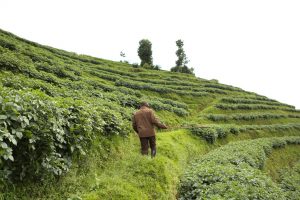
- Restoration and conservation: protecting or restoring forests, wetlands and degraded landscapes, with clear rights and community consent.
- Livestock improvements: practices that can credibly reduce methane emissions or improve manure management.
- Clean energy: community or household projects that reduce emissions, although these may benefit farmers as energy users rather than pay them directly for farm practices.
Not every activity qualifies. A project must show that its claimed climate benefit is measurable, follows an accepted methodology and meets the relevant programme’s requirements. It must also address risks such as trees being cut down later, emissions shifting elsewhere or the same reduction being claimed more than once.
Does a carbon credit mean a farmer will earn money?
Not necessarily. Carbon finance can support cash payments, seedlings, training, improved equipment, soil restoration, access to markets or community services. Some projects combine several of these benefits. Others may deliver limited or delayed income after monitoring and verification costs have been deducted.
Farmers should ask for a clear explanation of the payment model before joining. Important questions include: Is payment guaranteed or conditional on credits being issued and sold? How are revenues and project costs calculated? What share goes to farmers, cooperatives, project developers and other parties? When will payment be made? Can farmers see the records?
There is no single carbon-credit price that every farmer can expect. Prices vary according to the project, credit quality, buyer, contract and market. A headline price per credit should not be confused with the net amount that an individual household will receive.
Land rights and benefit sharing matter
One of the biggest questions is who has the right to generate and sell credits linked to trees, soil or other resources on a piece of land. The Food and Agriculture Organization (FAO) notes that carbon rights are not defined in one universally accepted way; national law and project agreements can determine who holds the rights and who receives benefits.
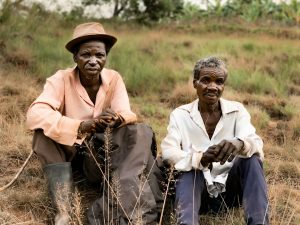
Before signing, farmers should understand whether the agreement affects the use of their land, trees, crops, grazing areas or other resources; how long the obligations last; what happens if a farmer leaves the project or transfers land; and who carries the risk if the project does not generate credits. Agreements should be explained in a language participants understand, with time to seek independent advice. Women farmers, tenants, customary land users and other people who use land should not be excluded simply because formal ownership documents are held by someone else.
The World Bank’s work on community access to carbon-credit benefits in Ghana highlights the importance of social inclusion, legal literacy on land rights and fair access to the proceeds generated by emissions reductions. Its guidance on carbon rights also stresses that transparent benefit-sharing arrangements and clear consent help protect communities and support credible projects.
What does this mean for Africa?
For African countries, carbon markets could bring additional finance for climate action, resilient farming, conservation and rural services. But the opportunity depends on credible rules, reliable monitoring, capable local institutions and contracts that communities can understand. Projects that are costly to measure or difficult to aggregate may struggle to reach small farms unless cooperatives, public institutions and partners help lower the barriers.
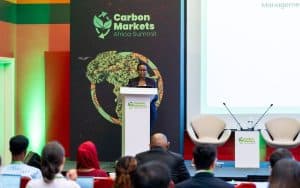
Rwanda’s carbon-market debate is also beginning to focus on how finance can reach more sectors, including agriculture and landscape restoration. In recent TOP AFRICA NEWS coverage, Rwanda’s officials have discussed expanding the project pipeline and improving how carbon-market revenues support future climate projects. The wider question for farmers is whether these systems can translate investment into transparent, locally meaningful benefits.
Carbon markets should complement—not replace—public investment in agricultural extension, irrigation, insurance, climate information, rural infrastructure and access to finance. Farmers should not be expected to carry all the costs and risks of climate action in exchange for uncertain future payments.
A checklist for farmers before joining a project
- Who is running the project, and which standard or programme will issue the credits?
- What exactly must farmers do, and for how long?
- Who owns or controls the carbon rights under national law and the contract?
- How will income, costs and community benefits be calculated and disclosed?
- When are payments made, and what happens if credits are delayed or not issued?
- Are there restrictions on harvesting trees, changing crops, grazing or using land?
- Is there a fair complaint process and a clear way to leave the agreement?
- Can farmers receive independent advice before they sign?
The real meaning: opportunity, not a guaranteed payout
For smallholder farmers, carbon markets are best understood as a possible way to finance verified climate benefits—not as free money for owning land or planting trees. Their value will depend on whether projects protect land and resource rights, explain obligations clearly, share benefits fairly and provide measurable gains for farmers and the environment.
If carbon markets are to support a just climate transition in Africa, smallholder farmers must be informed participants in the decisions, not simply suppliers of land and labour. Transparent contracts, collective organisation and strong safeguards will help determine whether carbon finance becomes a useful tool for rural livelihoods or a promise that leaves farmers carrying the risks.
Sources and further reading
- FAO: Carbon rights and the importance of benefit sharing
- World Bank: Community access to funds earned from carbon credits in Ghana
- World Bank: Rights to emissions reduction credits and their benefits
- TOP AFRICA NEWS: Rwanda considers recycling carbon revenue to finance new projects
- FAO Family Farming: Carbon markets in African livestock sectors
Editorial note: Carbon-market rules and benefit-sharing requirements vary by country, project and crediting programme. Farmers should check the applicable national law and obtain independent advice before signing long-term agreements.
About The Author


SUBSCRIBE TO OUR NEWSLETTER