Debate Erupts Over eKash’s Flat RWF 20 Transfer Fee Structure in Rwanda
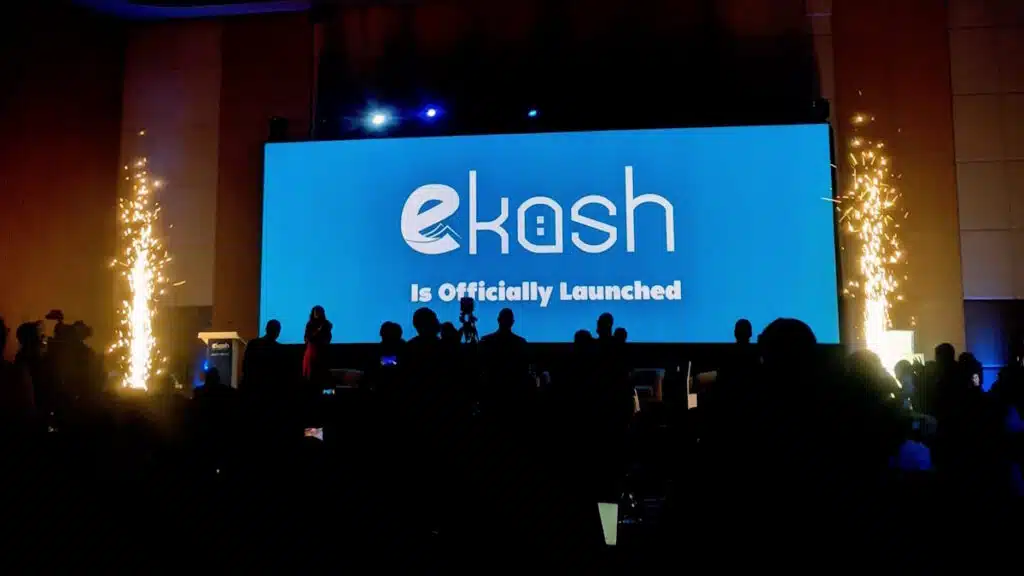
KIGALI, Rwanda – Rwanda’s digital payments ecosystem has sparked a lively online debate following the introduction of a flat RWF 20 transfer fee on transactions conducted through eKash, with opinions sharply divided over whether the pricing model promotes or undermines financial inclusion.
The discussion gained momentum after social media commentator Richard Kwizera questioned the fairness of charging the same fee for all transactions, regardless of the amount being transferred.
“RWF 20 is not expensive until you are the one sending RWF 500. If the goal of eKash is financial inclusion, why does someone sending RWF 500 pay the same RWF 20 as someone sending RWF 10 million?” he wrote on X (formerly Twitter).
Kwizera argued that while a RWF 20 fee represents only a negligible cost for large transactions, it amounts to a 4 percent charge on a RWF 500 transfer, disproportionately affecting low-income users who rely on small-value digital transactions.
Supporters Say the Fee Is Still Competitive
However, many users defended the new pricing structure, arguing that the flat fee remains significantly cheaper than existing mobile money charges.
Social media user Ladislas Ngendahimana compared the new tariff with mobile money fees, saying:
“If you send RWF 5,000 via MoMo, you pay around RWF 100 in charges, while the same amount transferred through eKash costs only RWF 20.”
Others argued that the criticism overlooks the benefits of a simplified and predictable pricing structure.
“I have never seen you complaining about MoMo tariffs, but suddenly RWF 20 is a problem,” another user commented, noting that many ordinary citizens were already paying similar or higher fees on other platforms.
Financial Inclusion at the Centre of the Debate
The discussion has brought renewed attention to the broader issue of financial inclusion in Rwanda, where policymakers have been encouraging the adoption of cashless payments and digital financial services.
Experts note that one of the principles of financial inclusion is ensuring that digital financial services remain affordable for low-income users, particularly those making frequent small-value transactions.
Critics of the flat fee structure argue that a tiered pricing model, where charges are proportionate to transaction values, could better serve low-income earners.
On the other hand, supporters contend that the RWF 20 charge is low enough to encourage users to move away from cash and adopt digital payments, while also making bank-to-bank and bank-to-wallet transfers more competitive.
Growing Competition in Rwanda’s Digital Payments Market
The debate also highlights increasing competition in Rwanda’s digital payments sector, particularly between banks and mobile money providers.
Some users suggested that lower fees offered by eKash could push existing operators, including MTN Mobile Money, to review their pricing structures in an increasingly competitive market.
As discussions continue online, the eKash fee structure has become more than a debate about RWF 20. It has opened a wider conversation about how Rwanda can balance affordability, financial inclusion, and the sustainability of digital payment services as the country accelerates its transition toward a cashless economy.
About The Author


SUBSCRIBE TO OUR NEWSLETTER