26 African Countries Commit to Expanding Rights-Based Mental Health Care
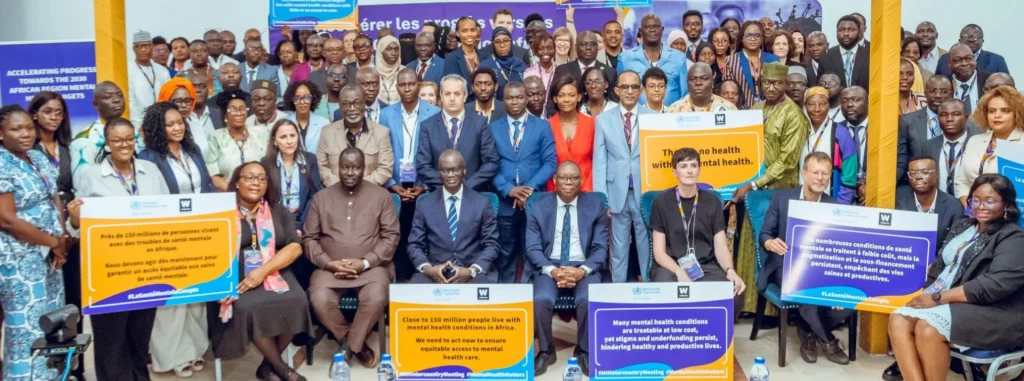
Mental health experts and policymakers from 26 countries across West and Central Africa have committed to accelerating the expansion of rights-based mental health services and advancing progress toward the World Health Organization (WHO) African Region’s 2030 mental health targets.
The pledge was made during the West and Central Africa Mental Health Intercountry Learning Gathering held in Lomé, Togo, and convened by the WHO Regional Office for Africa with support from the Akwaaba Trust.
The four-day meeting brought together government officials, health experts and development partners to review progress, exchange experiences and identify practical measures to strengthen national mental health systems. Discussions focused on integrating mental health into primary health care, expanding community-based services and ensuring people with lived experience help shape policies and service delivery.
“Every person living with a mental health condition deserves to be treated with dignity, respect and compassion,” said Dr. Benido Impouma, Director of Health Promotion, Disease Prevention and Control at the WHO Regional Office for Africa. He called for faster action to strengthen community-centred care and build resilient health systems that leave no one behind.
Despite growing political commitment, WHO said major gaps remain across the region. While 29 countries have adopted national mental health policies or strategies, only 17 have aligned them with international human rights standards. Just seven of the WHO African Region’s 47 Member States have effectively integrated mental health services into primary health care.
Participants urged governments to strengthen legal and policy frameworks that protect the rights of people living with mental health conditions and called for closer collaboration among the health, education, social welfare and justice sectors. They also emphasized expanding the WHO Mental Health Gap Action Programme (mhGAP), which trains non-specialist health workers to provide mental health services where specialists are scarce.
“As mental health challenges continue to grow, we must strengthen regional cooperation, promote accessible mental health services, and tackle the stigma that continues to prevent many people from seeking the care they need,” said Dr. Wotobe Kokou, Secretary General of Togo’s Ministry of Health.
Sustainable financing also emerged as a key priority. Delegates explored ways to increase domestic investment while mobilizing partner support to strengthen national mental health systems.
“The barriers to improving access to mental health care are political, financial, cultural and institutional,” said Dr. Kate Martin, Head of Field Building and Lived Experience at the Wellcome Trust. “Addressing them requires coordinated action, sustained commitment and meaningful collaboration among all stakeholders.”
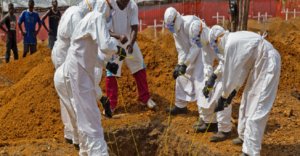
Participants also called for mental health and psychosocial support to be integrated into emergency preparedness and response, drawing lessons from Ebola outbreaks and other humanitarian crises. Young advocates contributed to discussions on improving child and adolescent mental health services.
The Lomé gathering was the second in a series of WHO subregional consultations assessing progress toward the African Region’s 2030 mental health goals, following a similar meeting for Eastern and Southern Africa held in Johannesburg in May 2026.
About The Author


SUBSCRIBE TO OUR NEWSLETTER