Rwamagana: 120 Community Leaders Equipped for Zoonotic Disease Prevention
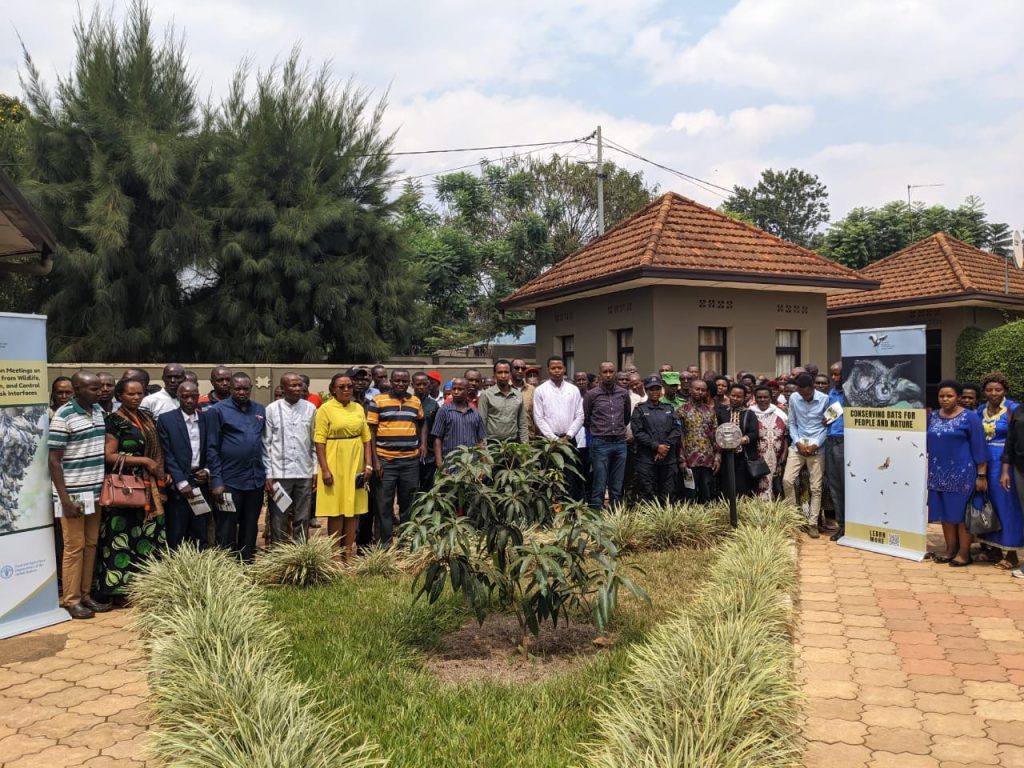
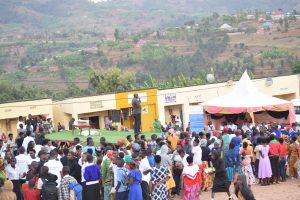
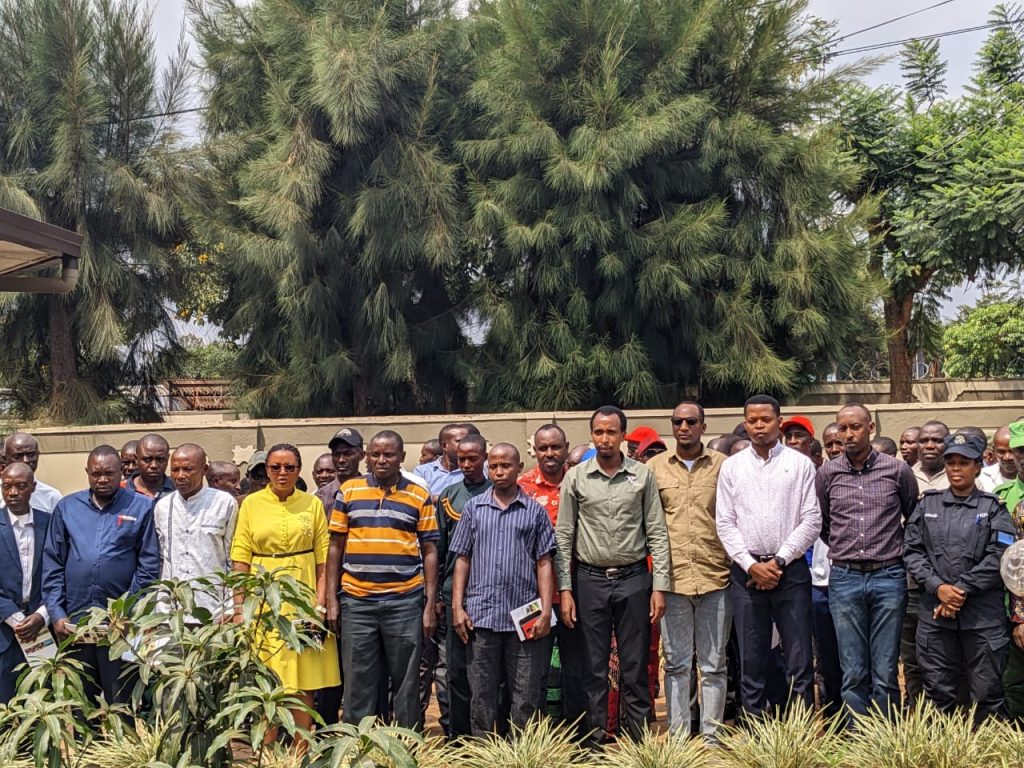
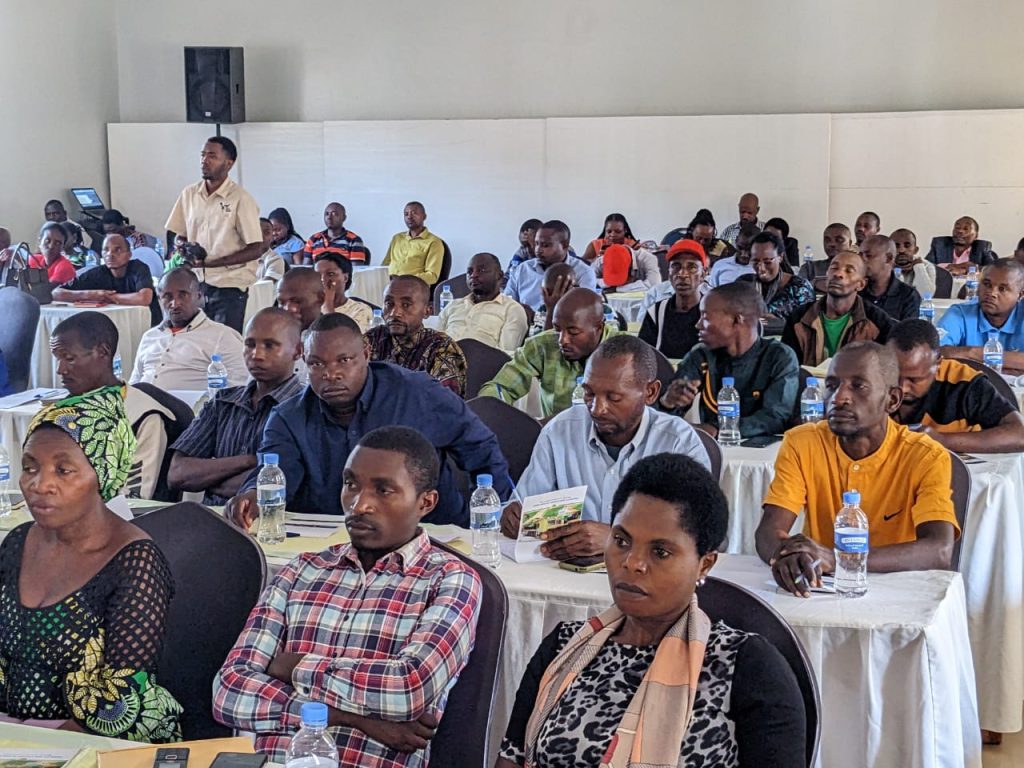
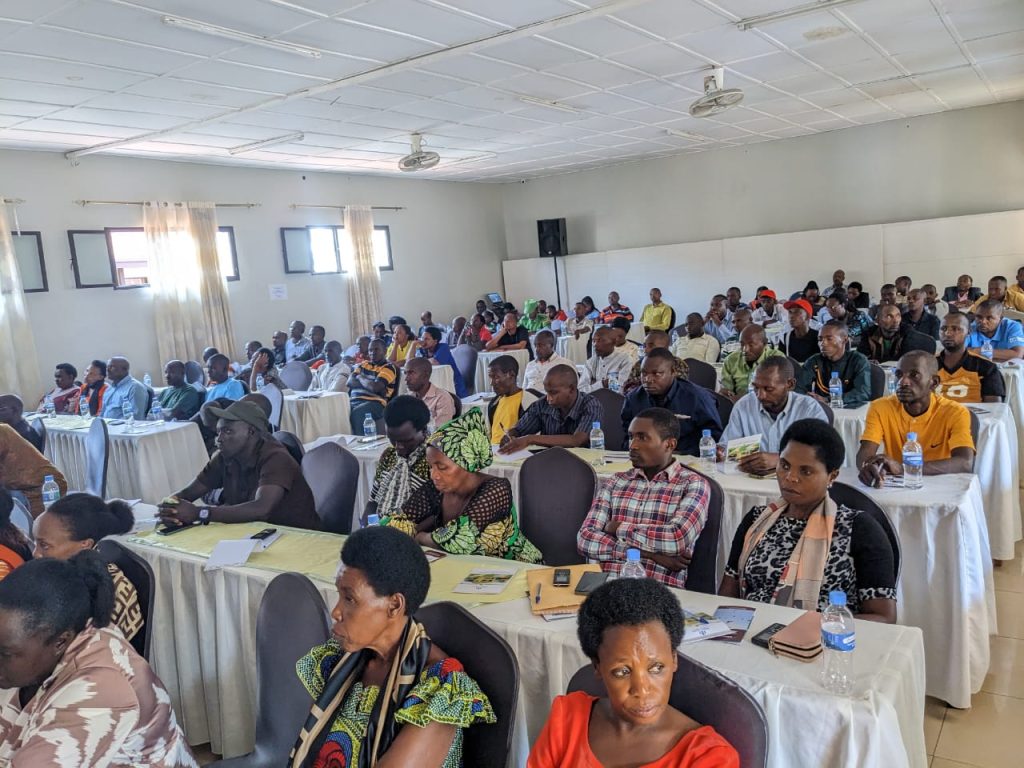
A total of 120 local leaders, and community health workers, from Rwamagana District on July 21, 2026, were trained on preventing zoonotic disease risks, and promoting best practices for safe co-existence between people and wildlife with major focus on bats and their conservation.
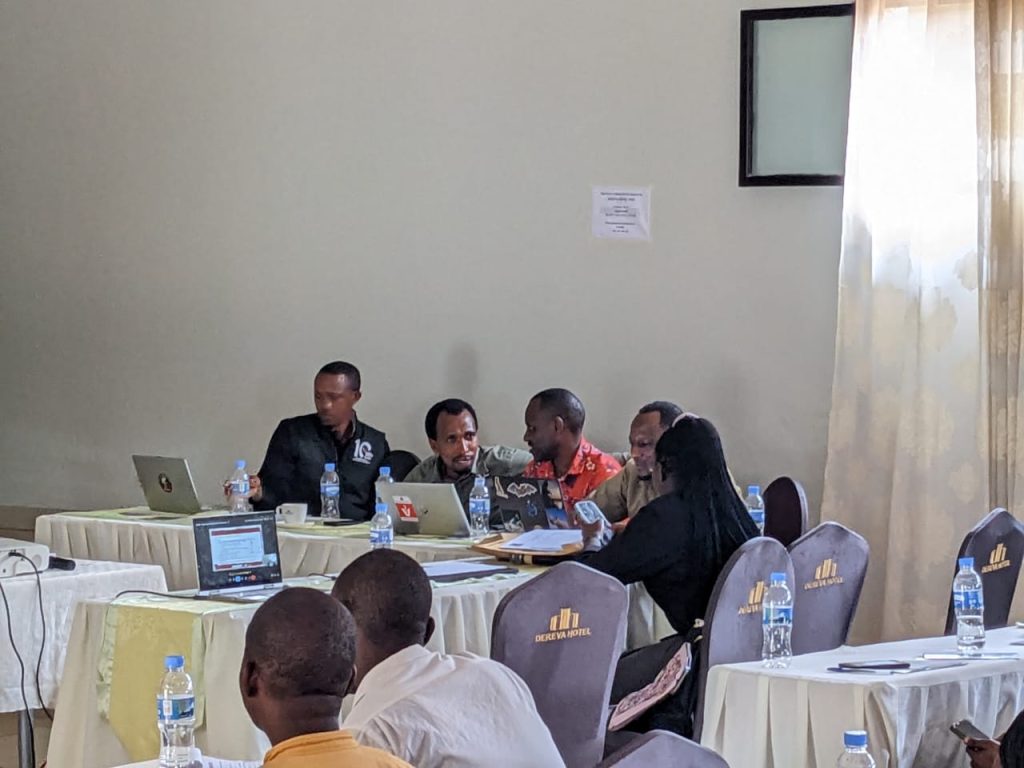
The one-day awareness and capacity-building workshop, organized by the Rwanda Wildlife Conservation Association (RWCA) in partnership with the Rwanda Development Board (RDB), the Food and Agriculture Organization of the United Nations (FAO), and other partners, focused on correcting misconceptions about bats while encouraging communities to adopt science-based practices that protect both public health and biodiversity.
The training targeted participants from Gahengeri and Musha sectors, which were identified and recommended by the National One Health team as high-risk areas where interactions between bats and people are more frequent.
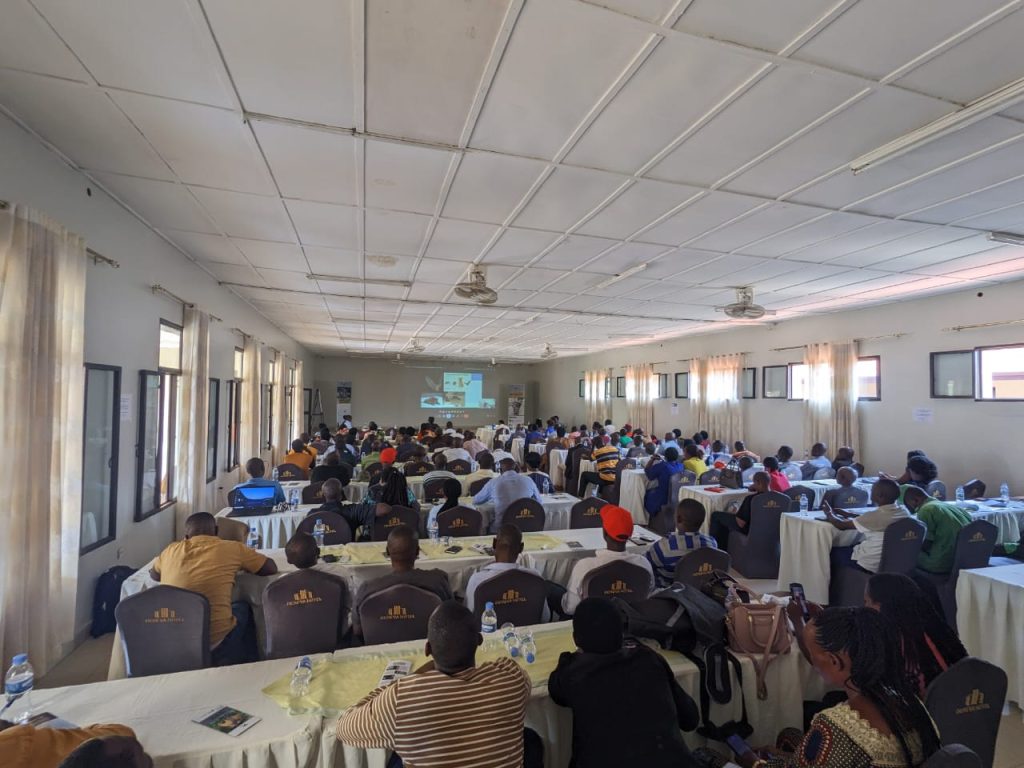
Dr. Deo Ruhagazi, Deputy Chief Executive Officer of RWCA, said the training aimed to help communities understand how to safely coexist with bats rather than fear or kill them.
“We trained participants from local government structures, community health workers and security institutions. Our goal was to help them understand bat behavior, the potential disease risks associated with wildlife, and how to protect themselves without harming bats,” he said.
He explained that Rwamagana was selected because previous mapping conducted during the Marburg virus preparedness and response identified parts of the district as high-risk zones where human activities overlap with bat habitats.
According to Dr. Ruhagazi, abandoned illegal mining tunnels have become important bat roosting sites, increasing the likelihood of human-bat contact.
He said, “People should not assume that every bat carries disease or that bats should be killed whenever they are seen. Killing or disturbing bats harms biodiversity, and stressing wildlife can increase the likelihood of disease transmission by affecting how viruses behave.”
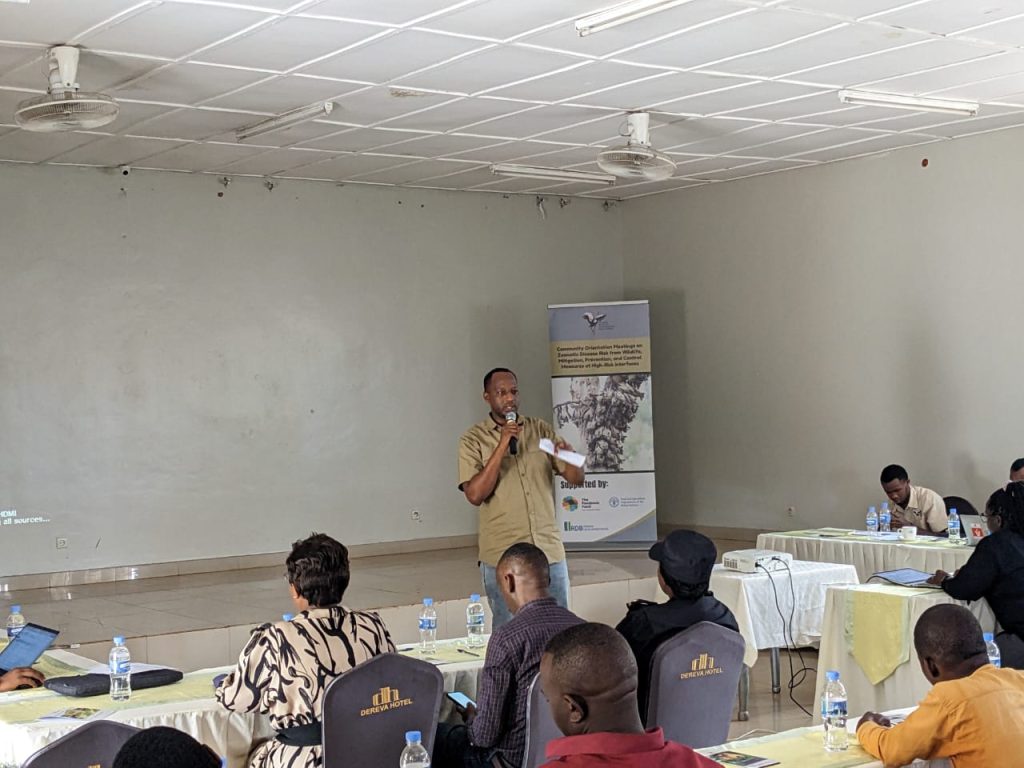
Richard Muvunyi, Head of Wildlife Health and Research Coordination at RDB, emphasized that protecting biodiversity is closely linked to protecting human health under Rwanda’s One Health approach.
“Bats naturally coexist with microorganisms, but they do not pose a risk to people unless humans interfere with them or come into unsafe contact with them,” he said.
He advised residents to seal openings that allow bats into homes and avoid attempting to catch or kill them if they enter buildings.
“If bats enter your house, allow them to leave naturally at night and then close the openings they used. If necessary, seek guidance from local authorities or trained personnel rather than handling the animals yourself,” he said.
Muvunyi also warned against entering caves inhabited by bats, noting that some people visit caves for religious activities, unknowingly exposing themselves to potential health risks.
He further discouraged the use of bat droppings as fertilizer, saying they may contain disease-causing organisms, and advised anyone cleaning bat droppings or dead bats to wear appropriate protective equipment.
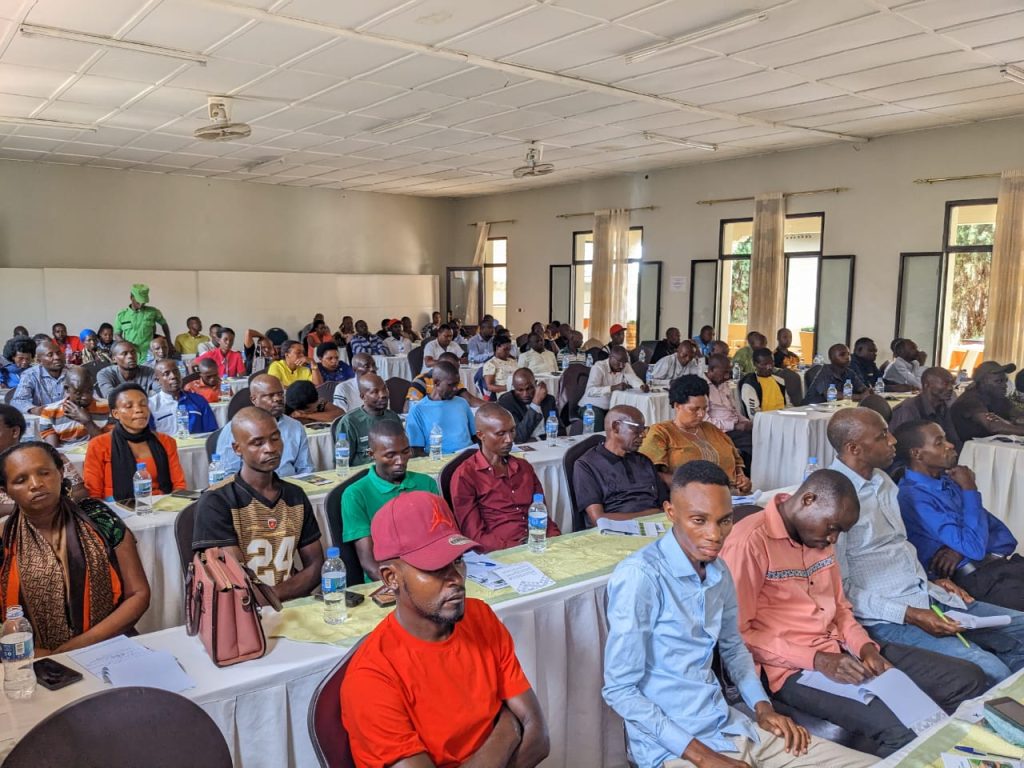
Jean De Dieu Niyitanga, Veterinary Officer for Rwamagana District, said misconceptions about bats remain widespread among local communities.
“Many people see bats as enemies. Some cut down trees where bats roost or even burn their habitats. There are also cultural beliefs that bats bring bad luck,” he said.
He said increasing public awareness of bats’ ecological importance would help communities appreciate their value instead of fearing them.
Niyitanga noted that Rift Valley Fever remains one of the district’s most significant livestock diseases, with outbreaks recurring periodically and affecting both animal health and local businesses.
“The district is currently under restrictions because of Rift Valley Fever. The last major outbreak was in 2022,” he said.
He said prevention measures include protecting livestock from mosquitoes and encouraging farmers to improve animal health through proper husbandry.
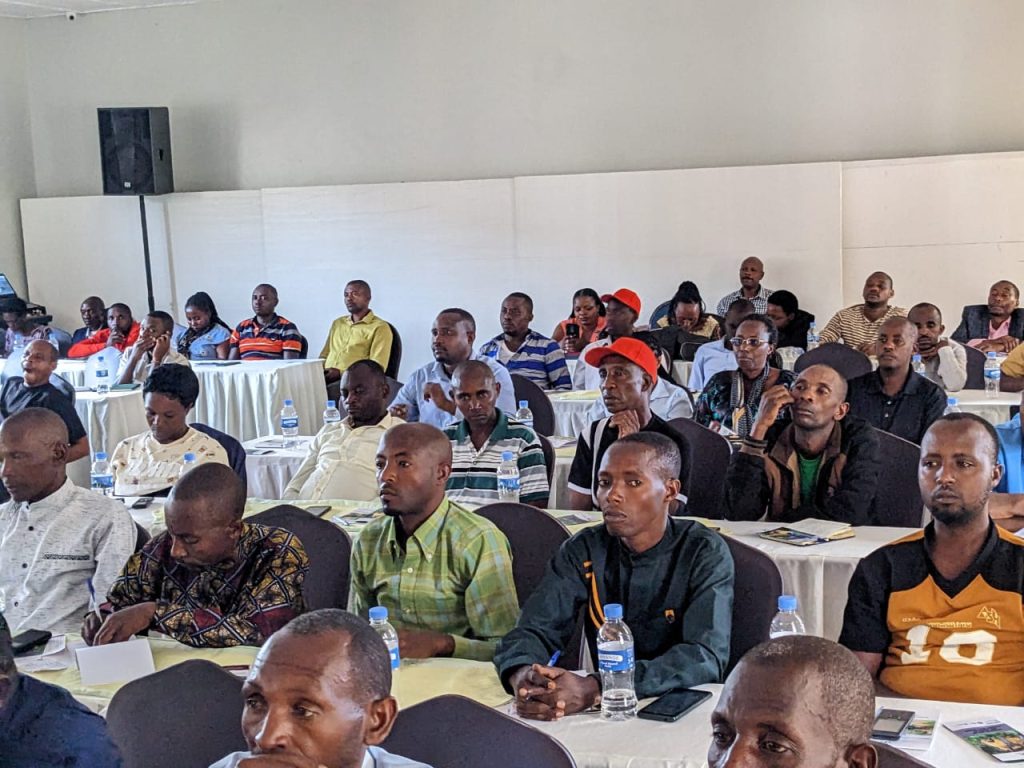
Charles Karangwa, Agronomist for Gahengeri Sector, said the training highlighted practical ways communities can reduce disease risks while respecting wildlife.
He urged residents not to consume fruits that have been partially eaten or scratched by bats or other wild animals, and to avoid eating fruits that have fallen beneath trees frequented by bats.
“If this knowledge reaches everyone, from children to adults, it will help communities protect both their own health and biodiversity,” he said.
RWCA says Rwanda is home to over 54 bat species, many of which play critical ecological roles.
According to the International Union for Conservation of Nature (IUCN), bats have existed for more than 50 million years and, with over 1,500 species, represent the world’s second-largest order of mammals.
They provide essential ecosystem services by controlling insect pests, pollinating plants and dispersing seeds. Insect-eating bats can consume up to 8,000 mosquitoes and other small insects in a single night, helping reduce agricultural pests and mosquito-borne diseases such as malaria. Fruit bats also pollinate crops such as mangoes and avocados while dispersing seeds that support forest regeneration.
Research further shows that bats pollinate more than 300 species of fruit-bearing plants worldwide, making them indispensable to healthy ecosystems despite being among the world’s least studied mammals.
About The Author


SUBSCRIBE TO OUR NEWSLETTER