IUCN Strengthens and Raises Awareness of Pandemic Prevention and Response Through the One Health Approach at Rwanda AgriShow 2026
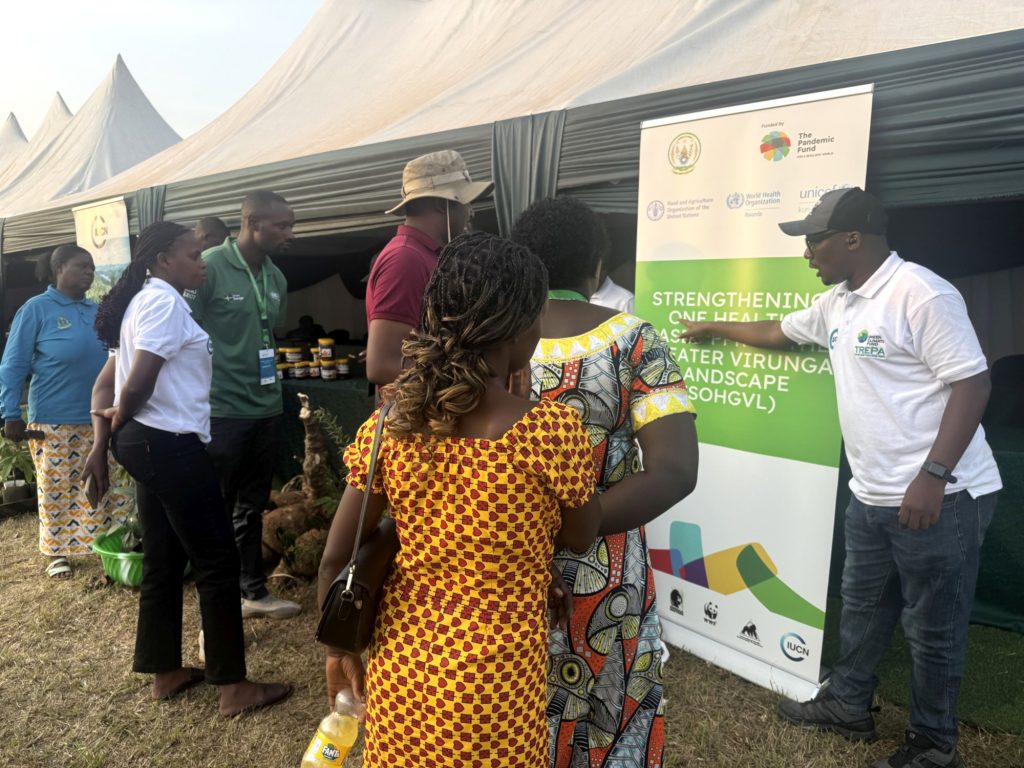
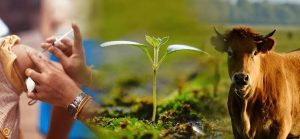
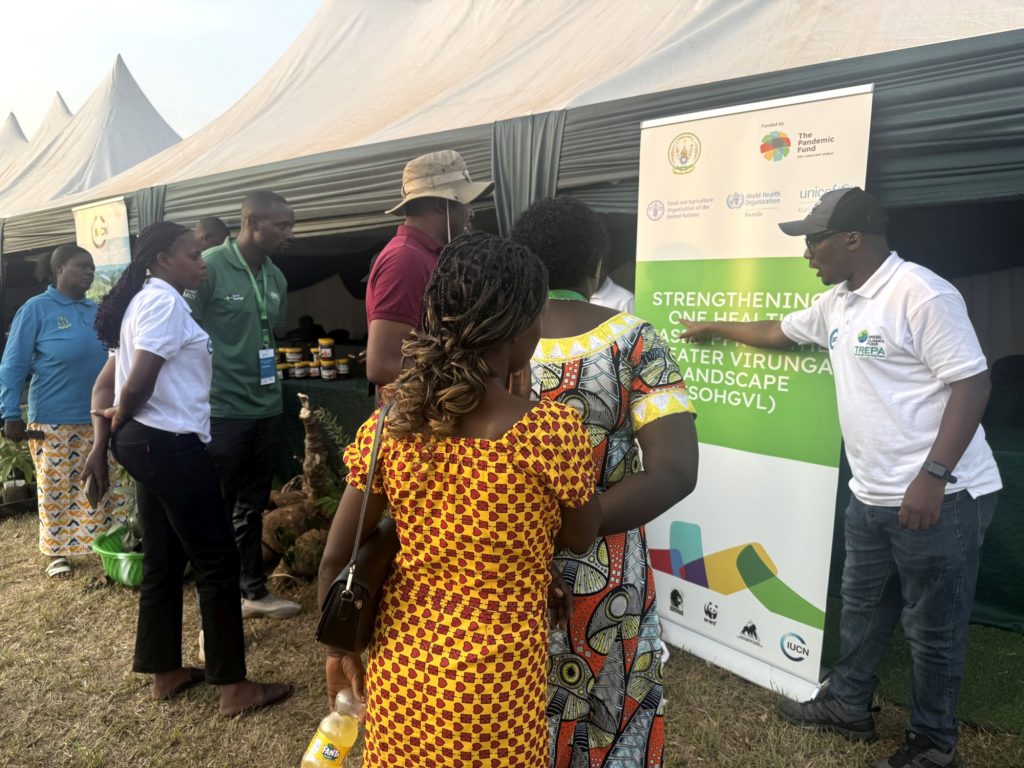
Visitors at the IUCN stand learned about the One Health Project in the GVL during Rwanda Agrishow 2026
The International Union for Conservation of Nature (IUCN) is using the 2026 Rwanda AgriShow as a strategic platform to raise public awareness about pandemic prevention and preparedness through the One Health approach, taking advantage of one of Rwanda’s largest agricultural exhibitions to explain how the health of people, animals and the environment is inseparably connected.
Bringing together thousands of visitors, including farmers, agronomists, veterinarians, forestry experts, agro-business companies, researchers, universities, government institutions, United Nations agencies, development partners and the private sector, the 2026 Rwanda AgriShow provides an ideal setting to demonstrate why protecting ecosystems, safeguarding animal health and promoting human well-being must go hand in hand.
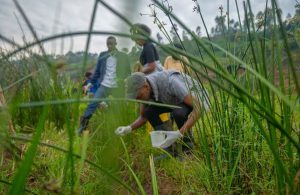
Through interactive exhibitions, visual educational materials and discussions, IUCN is helping visitors understand that when forests are degraded, wildlife habitats are disrupted, or livestock and wildlife interact without proper management, the risk of diseases (zoonotic) spreading from animals to humans increases significantly.
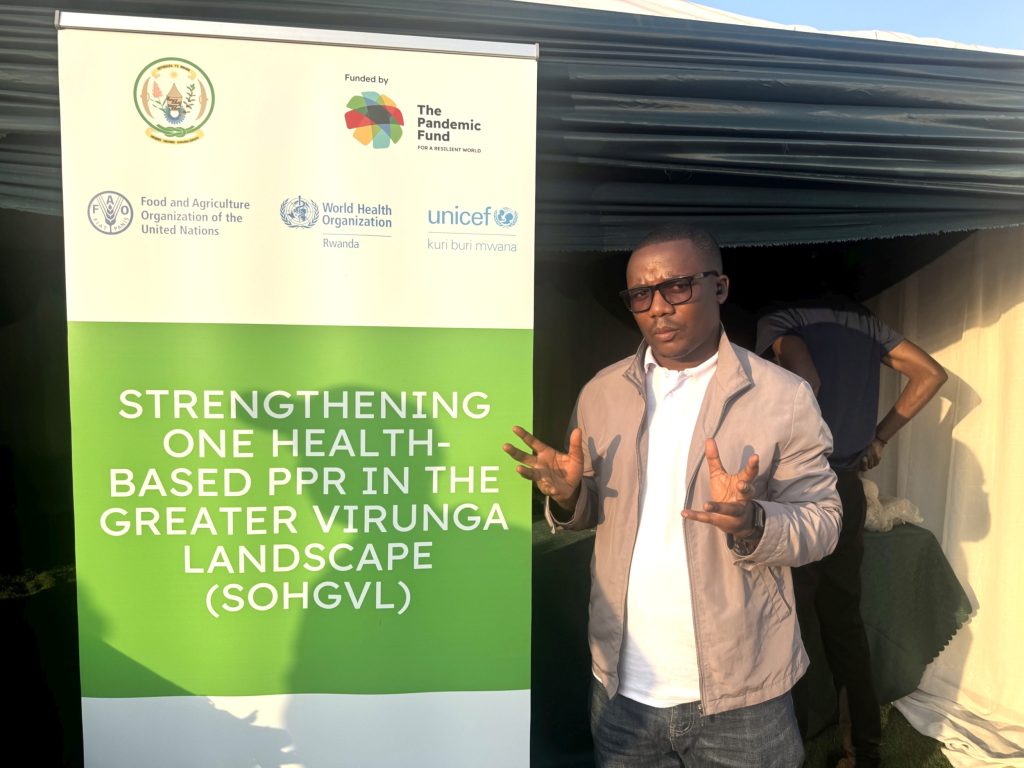
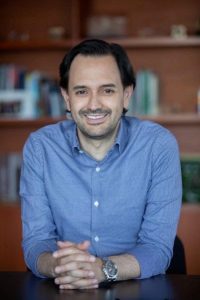
Habimana Jean Claude, Communications and Membership Officer at IUCN, explaining the One Health project at Rwanda Agrishow 2026
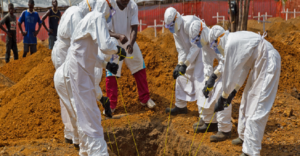
Mr Jean Claude HABIMANA, IUCN Communications and Membership Officer at IUCN, who is at the 2026 Rwanda AgriShow told the TOP AFRICA NEWS that any outbreak like Rift Valley fever, or Ebola virus disease, Marburg virus disease, Mpox, avian influenza (bird flu), rabies, brucellosis, and even COVID-19, are widely known to have originated from an animal source, illustrate why countries must adopt a One Health approach.
By protecting ecosystems, improving animal health, strengthening disease surveillance and promoting collaboration among the human, animal and environmental sectors, One Health reduces the likelihood of future pandemics while protecting biodiversity, livelihoods and public health.
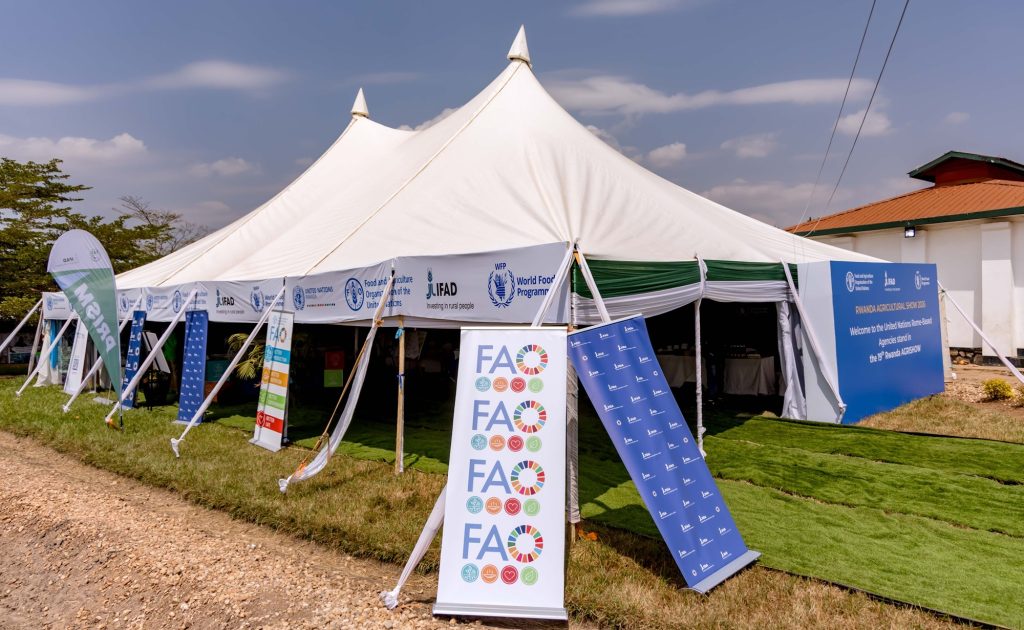
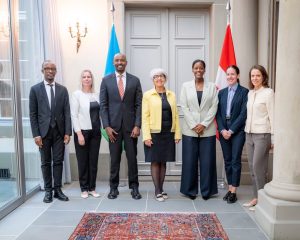
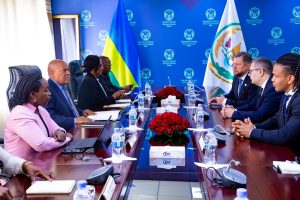
United Nations agencies took part in Rwanda Agrishow 2026
Held under the theme “Building Resilient and Sustainable Food Systems,” Rwanda AgriShow 2026 has attracted hundreds of exhibitors showcasing innovations in agriculture, livestock, forestry, climate resilience and agribusiness. The annual exhibition has become Rwanda’s premier platform for exchanging knowledge, solutions, technologies and investment opportunities that advance sustainable food systems.
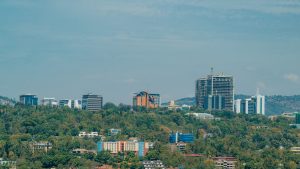
At this year’s exhibition, IUCN is raising awareness about the project (The Strengthening One Health-based Prevention, Preparedness and Response in the Greater Virunga Landscape (SOHPPRGVL), a regional initiative bringing together Uganda, Rwanda and the Democratic Republic of Congo to reduce the risk of future pandemics at their source.
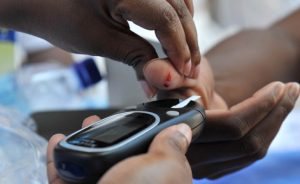
The initiative brings together government institutions and international partners to strengthen surveillance systems, laboratory capacity, workforce development, wildlife health monitoring and community awareness to reduce the risks posed by emerging zoonotic diseases.
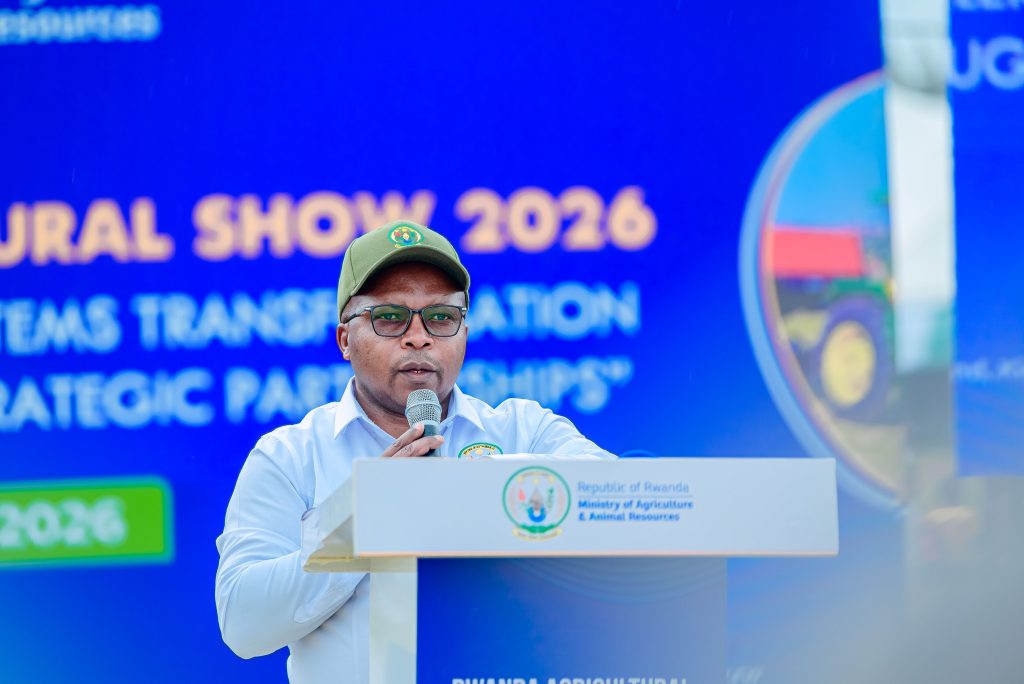
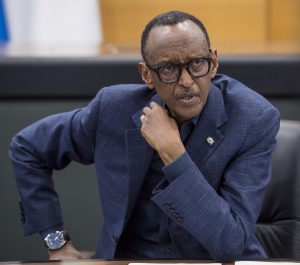
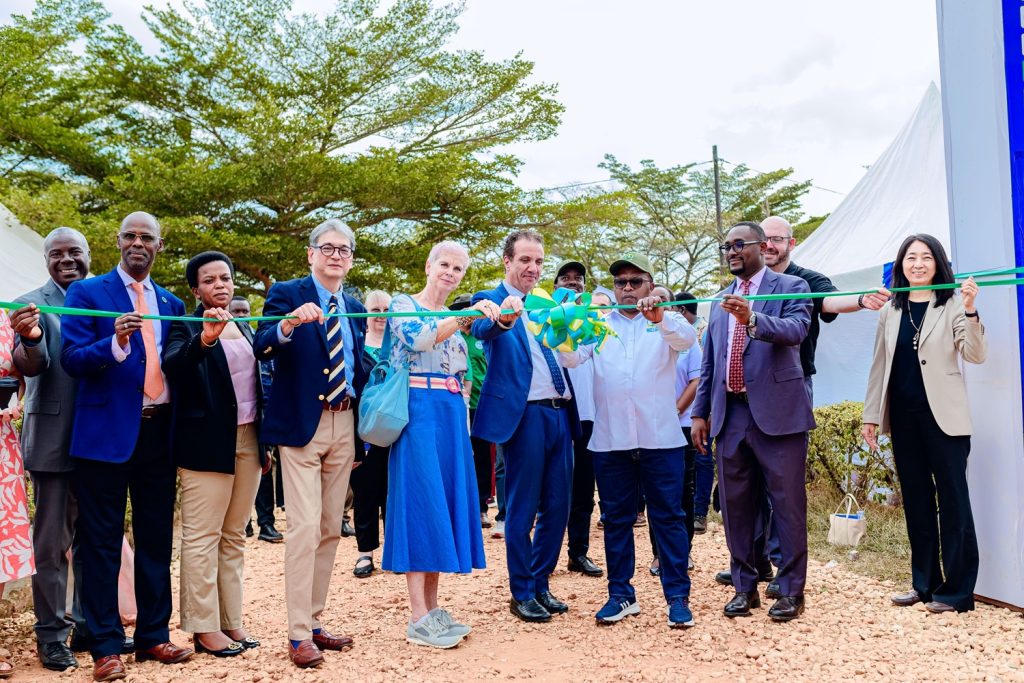
Rwanda’s Minister of Agriculture and Animal Resources, Dr. Telesphore Ndabamenye at Rwanda Agrishow 2026
Speaking during the official opening of the exhibition, Rwanda’s Minister of Agriculture and Animal Resources, Dr. Telesphore Ndabamenye emphasized the importance of building resilient food systems capable of withstanding climate change and other emerging challenges.
The Minister encouraged farmers and all stakeholders to adopt innovative and sustainable agricultural practices, noting that resilient agriculture depends on strong partnerships, knowledge sharing and scaling up proven solutions that improve productivity while protecting natural resources.
At the IUCN exhibition stand, visitors were introduced to the concept of One Health through practical demonstrations illustrating the links between environmental conservation, livestock management and human health. Displays highlighted how conserving forests, protecting wildlife habitats and improving animal health directly contribute to reducing the emergence and spread of infectious diseases.
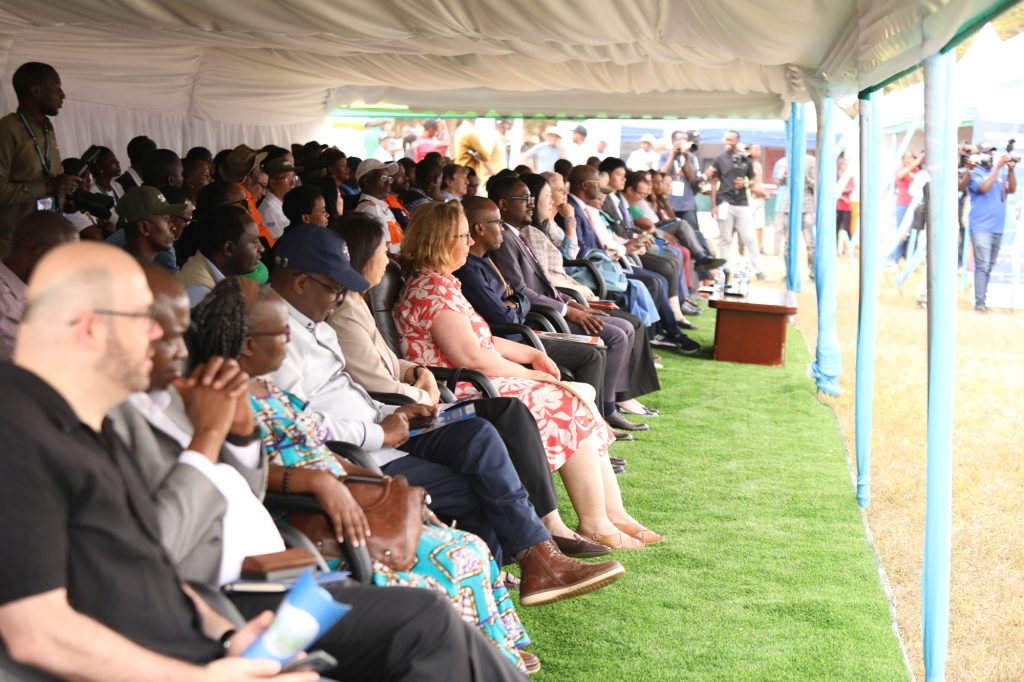
“Rwanda AgriShow gives us an exceptional opportunity to engage thousands of people from different backgrounds in one place,” added Habimana Jean Claude emphasizing that that many people know conservation, agriculture or public health as separate issues, but One Health brings them together.
“We want our visitors to understand that protecting nature is also protecting our families, our livestock and our future”, Jean Claude narrated adding that some of the exhibitors and visitors are farmers, agronomists, students, and private sectors from Rubavu, Nyabihu, Musanze and Burera, where IUCN in partnership with partners are currently implementing the regional Pandemic Fund project known as Strengthening One Health-based Prevention, Preparedness and Response in the Greater Virunga Landscape (SOHPPRGVL).
The exhibition attracted considerable interest from farmers, students, veterinary professionals and researchers eager to learn how ecosystem degradation influences disease transmission.
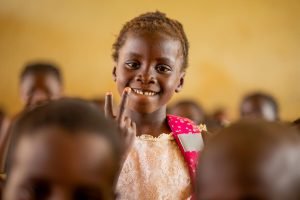
Visitors
“I have attended Rwanda Agri Show several times, but this is the first time I clearly understood the meaning of One Health,” said Valens Murwanyashaka, a student from University of Rwanda, College of Veterinary Medicine and Animal Sciences, CVAS Musanze after visiting the IUCN stand. “Today I understand that protecting and conserving our ecosystems such as forests, rivers, wetlands, parks, wildlife and livestock also protects our communities and boosts our healthy.” Valens added.
Another visitor, a veterinary student, said the exhibition reinforced the importance of collaboration across different professions.
“As future veterinarians, we often focus on animal diseases and animal healthy, but today I learned that preventing outbreaks requires veterinarians, health doctors, environmental specialists and communities to work together,” Uwase Aline, a student from Ines Ruhengeri, said.
The project forms part of regional’s broader efforts to strengthen preparedness against diseases with pandemic potential through enhanced surveillance, laboratory systems, workforce development and cross-sectoral coordination. IUCN contributes its expertise alongside the Greater Virunga Transboundary Collaboration (GVTC), IGCP, Gorilla Doctors, WWF, FAO, WHO, UNICEF across the Greater Virunga Landscape.
About The Author


SUBSCRIBE TO OUR NEWSLETTER