Modern Irrigation Transforms Drought-Prone Farms into Thriving Agribusinesses in Rwamagana
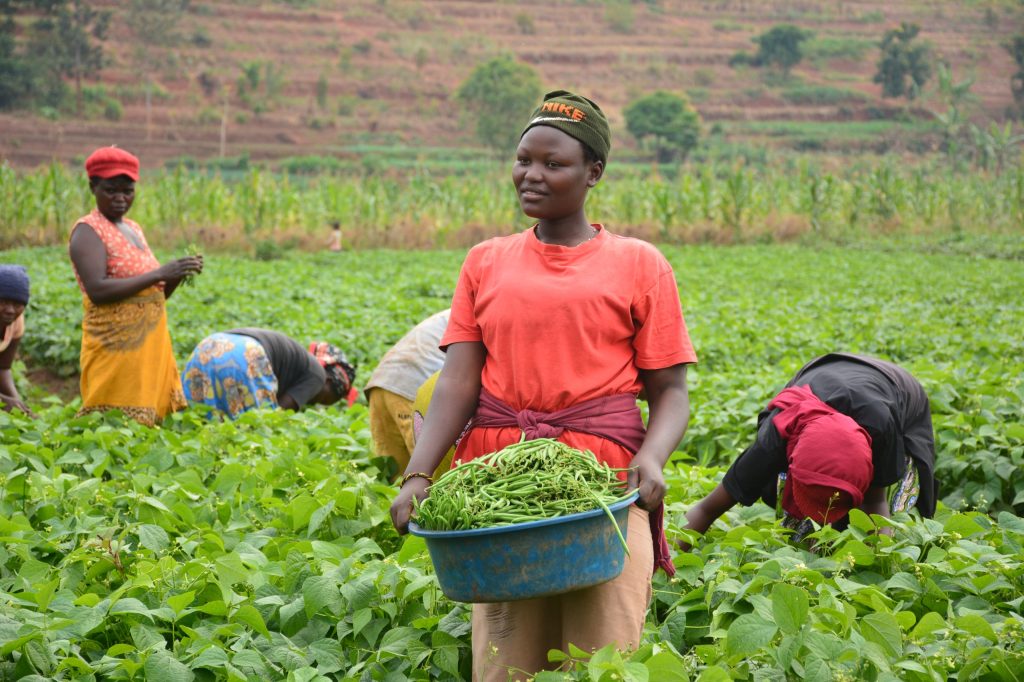
RWAMAGANA, Rwanda – Farmers in Rwamagana District are transforming once drought-prone farms into productive agricultural enterprises through modern irrigation systems that enable year-round cultivation, increase harvests, create jobs, and strengthen resilience to climate change.
The transformation is being driven by strategic investments in irrigation technologies that provide reliable access to water, helping farmers overcome prolonged dry seasons, improve productivity, enhance food security, and access more profitable markets.
The Sustainable Agricultural Intensification and Food Security Project (SAIP II), implemented by the Rwanda Agriculture and Animal Resources Development Board (RAB) through the Single Project Implementation Unit (SPIU), has played a key role in expanding access to Small-Scale Irrigation Technologies (SSIT) for farmers across Rwamagana District.
Through improved irrigation infrastructure, farmers who once relied entirely on rainfall are now producing crops consistently throughout the year, increasing their incomes, and building resilience against the growing impacts of climate change.
From Water Scarcity to Year-Round Production
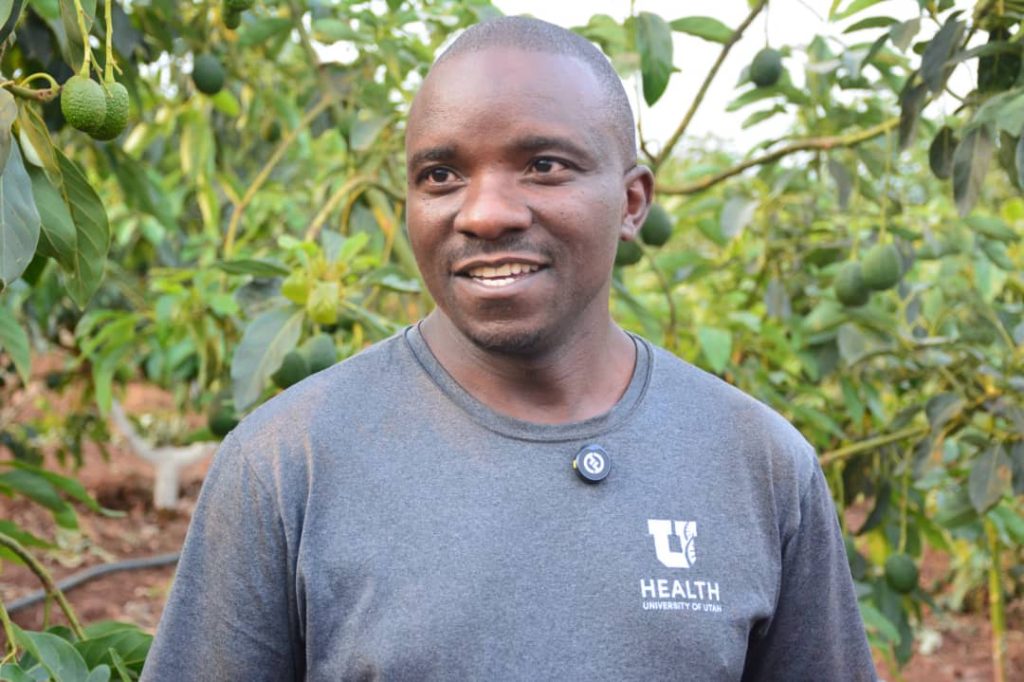
Nzabahimana Charles, the farm’s agronomist
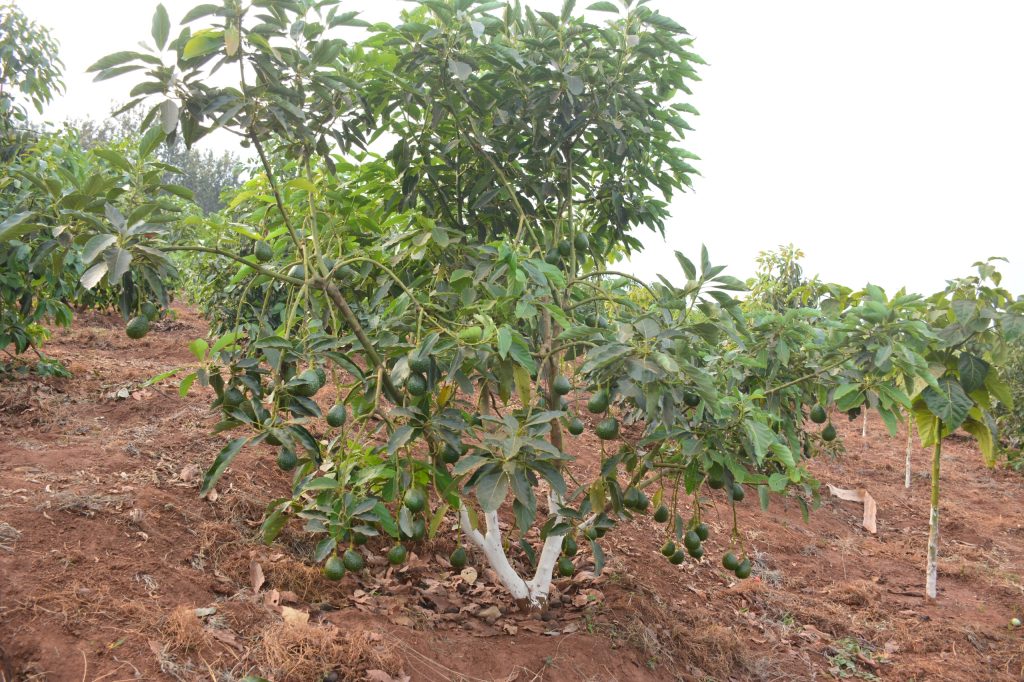
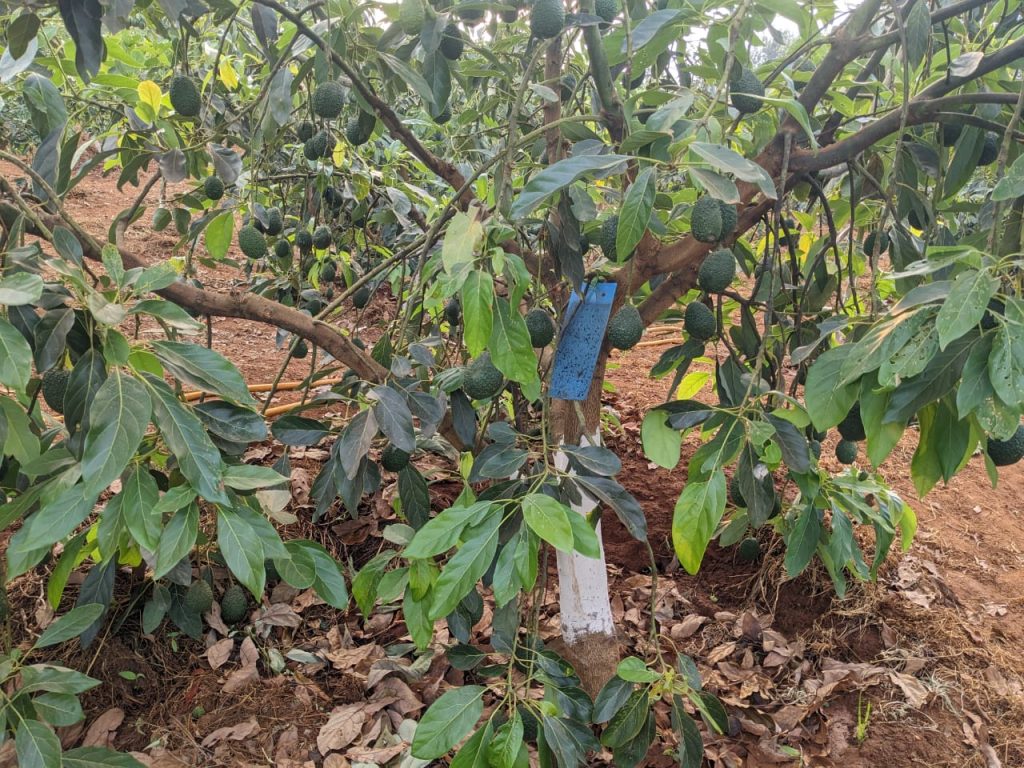
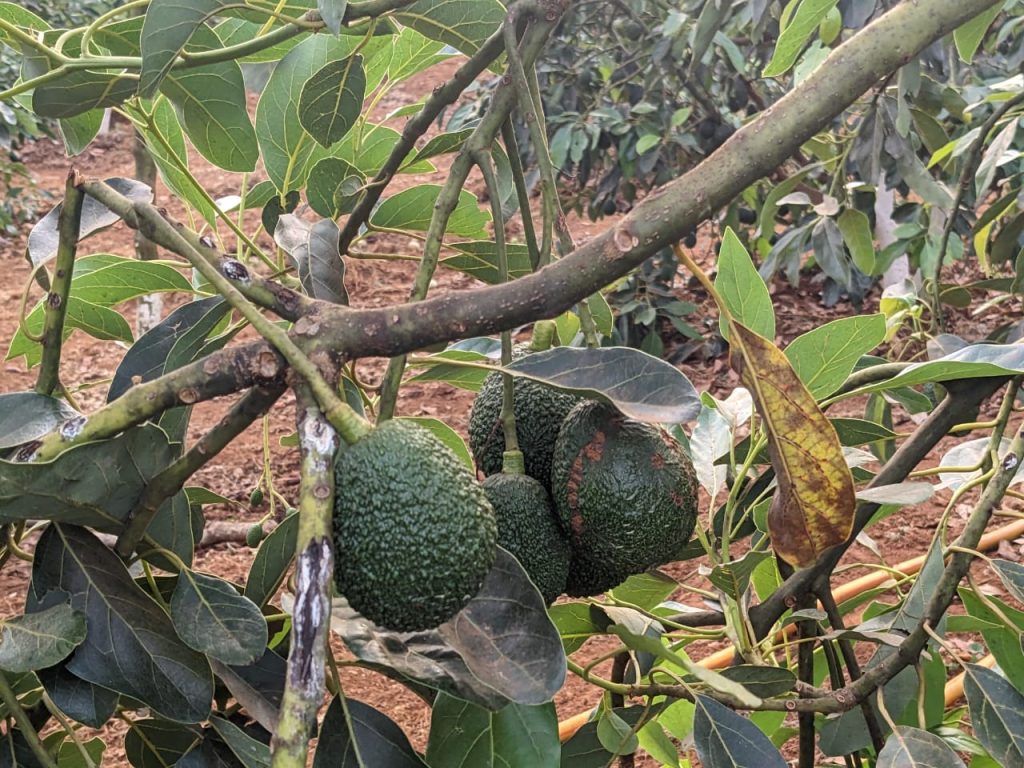
One of the beneficiaries is Nyumbayire John’s farm, located in Kagarama Cell, Musha Sector, where Nzabahimana Charles, the farm’s agronomist, oversees a four-hectare avocado plantation comprising 1,282 trees.
According to Nzabahimana, unreliable access to water had long been the greatest obstacle to expanding production.
“Water scarcity was a major challenge. After receiving support through SAIP II, we gained reliable access to irrigation water. Although the last rainfall was in May, our avocado trees remain healthy because we can irrigate whenever necessary,” he said.
He explained that before the irrigation system was installed, expanding avocado production was extremely difficult because of the area’s hilly terrain and frequent drought conditions.
“Everything has changed. Production has increased significantly, and we are now harvesting for the second time with encouraging results. We produce enough food for our families while supplying surplus produce to the market,” he added.
Bringing water to the farm required overcoming major engineering challenges. The nearest water source is approximately 700 metres away, with steep terrain between the source and the plantation.
Today, strategically installed water outlets every 55 metres ensure efficient water distribution across the entire farm.
“We appreciate the Government of Rwanda for investing in practical solutions that help farmers increase production despite changing weather patterns,” Nzabahimana said.
Beyond increasing agricultural production, irrigation has also generated employment opportunities.
The farm currently employs 11 permanent workers in crop and livestock production, while an additional 20 seasonal workers are hired during peak agricultural periods.
The project has also equipped farmers with modern production techniques, including orchard management, irrigation practices, and market access.
During the initial harvest, the farm recorded an average yield of approximately 450,000 avocados, with production expected to exceed one million avocados during the current season.
In addition to avocados, the farm cultivates maize and beans, contributing to household food security while supplying local markets.
The irrigation infrastructure required an investment of more than RWF 96 million. Beneficiaries contributed over RWF 23 million, while SAIP II financed more than RWF 72 million.
The impact of irrigation extends beyond individual farms.
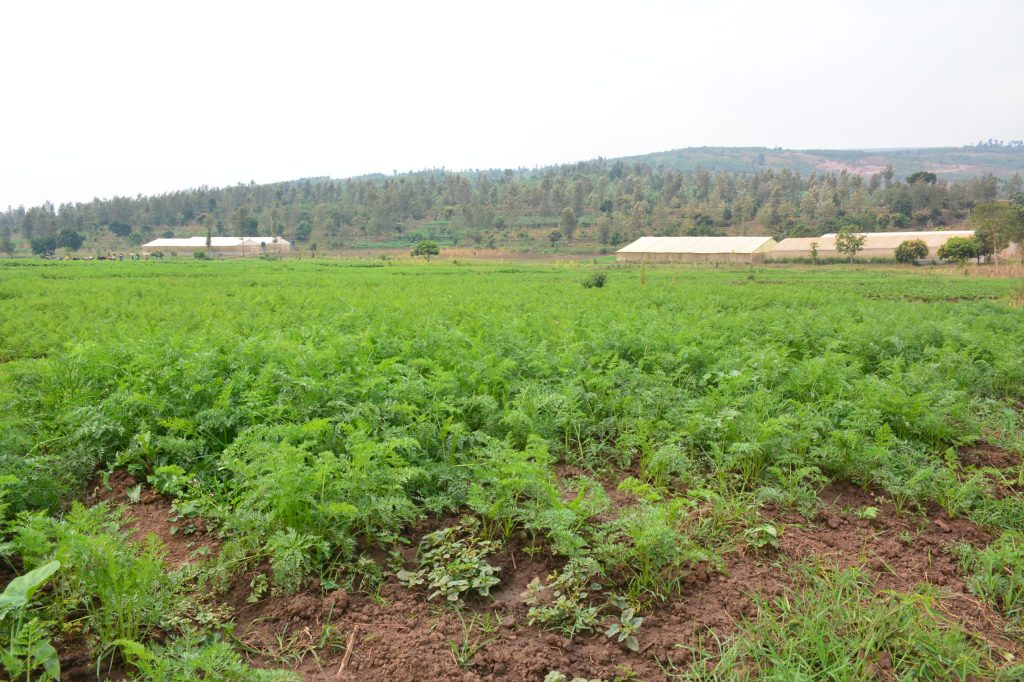
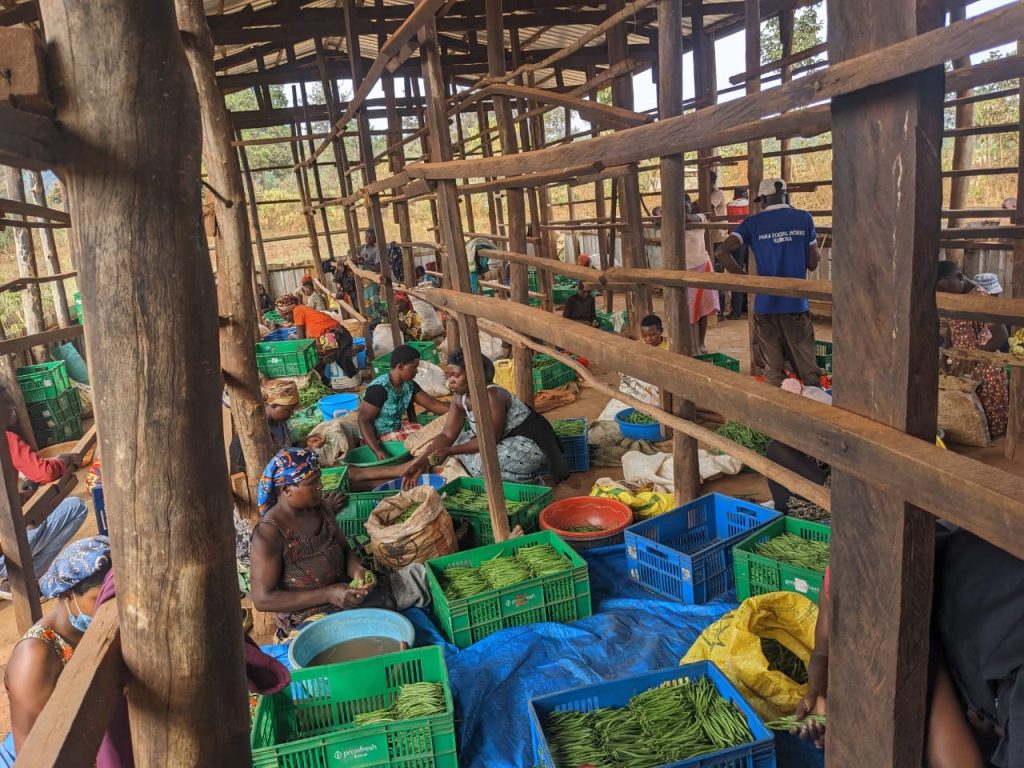
At the Nyirabidibiri Irrigation Scheme, managed by Gwiza Cooperative, more than 700 cooperative members are benefiting from improved irrigation systems across an 800-hectare command area, including 215 hectares of public land.
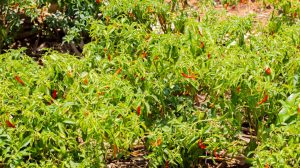
For nearly twelve years, cooperative members have specialized in producing export-oriented crops such as French beans, chili peppers, and other high-value horticultural products.
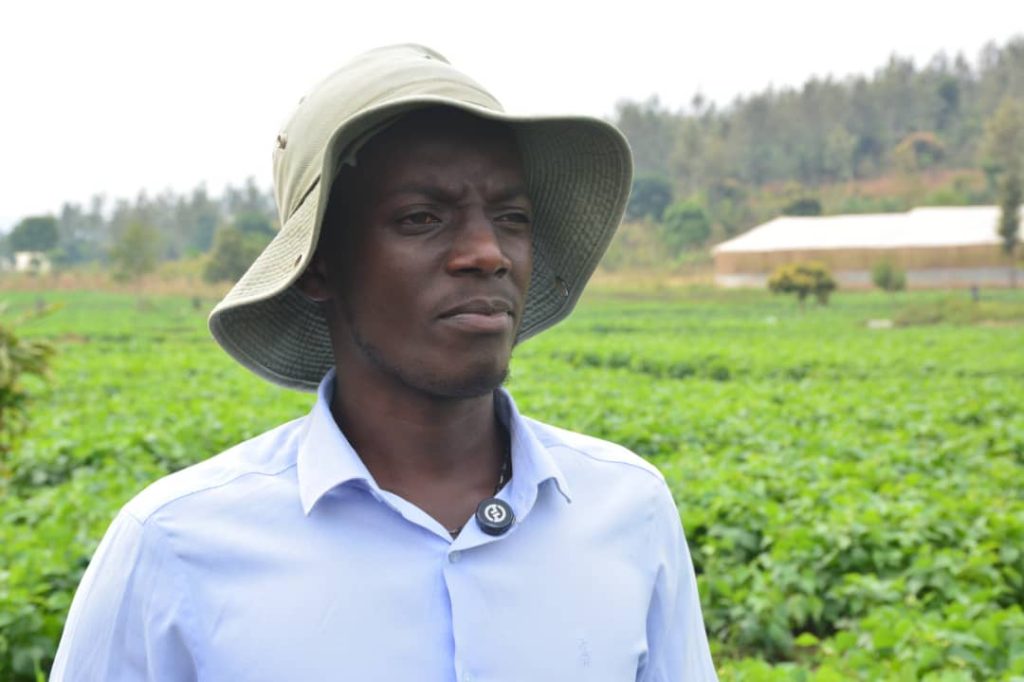
According to Rukundo Jackson, Manager of Gwiza Cooperative, irrigation has helped farmers transition from subsistence farming to commercial agriculture.
“Our members have received training on irrigation technologies and modern farming practices. Agriculture is no longer simply about producing food for household consumption; it has become a business that generates income and improves livelihoods,” he said.
The cooperative has also benefited from irrigation equipment, including pumps, pipelines, and other infrastructure that ensures efficient water management throughout the year.
“The support has enabled farmers to use water more efficiently while maintaining production in every season,” Rukundo added.

The Vice Mayor of Rwamagana District in charge of Economic Development, Kagabo Richards Rwamunono, commended the partnership between the district and the Ministry of Agriculture and Animal Resources (MINAGRI) in expanding irrigation infrastructure.
“We highly value our collaboration with MINAGRI because Rwamagana is among the districts frequently affected by prolonged dry seasons. Expanding irrigated land has always been one of our priorities, and projects such as SAIP II are delivering significant benefits to our farmers,” he said.
He noted that Rwamagana has more than 3,800 hectares with irrigation potential, yet only about 11 percent of public marshlands are currently irrigated.
“Continued investment in irrigation remains essential if we are to unlock the district’s agricultural potential and improve farmers’ resilience to climate change,” he added.
Government Subsidies Accelerating Irrigation Adoption

According to Innocent Nzabamwita, Irrigation Engineer Specialist at RAB-SPIU, the Government of Rwanda has introduced subsidy programmes to make modern irrigation technologies more affordable.
“Farmers cultivating between 0.5 and 10 hectares receive government support covering 50 percent of irrigation equipment costs, while beneficiaries contribute the remaining 50 percent,” he explained.
Additional incentives are available for farmers adopting solar-powered irrigation systems.
“Farmers cultivating between 5 and 10 hectares using solar-powered pumps contribute only 25 percent of the investment, while the Government finances the remaining 75 percent,” he said.
Nzabamwita said these subsidies are helping remove financial barriers that previously prevented many farmers from investing in irrigation technologies.
Under the Small-Scale Irrigation Technologies (SSIT) component, SAIP has made significant investments to expand irrigation across Rwanda. The first phase invested RWF 4 billion, while the ongoing second phase is expected to invest an additional RWF 6 billion, further strengthening Rwanda’s efforts to build a climate-resilient and commercially competitive agricultural sector.
About The Author


SUBSCRIBE TO OUR NEWSLETTER