Nyagatare: Small-Scale Irrigation Technology Empowers Farmers, Boosts Productivity and Strengthens Climate Resilience
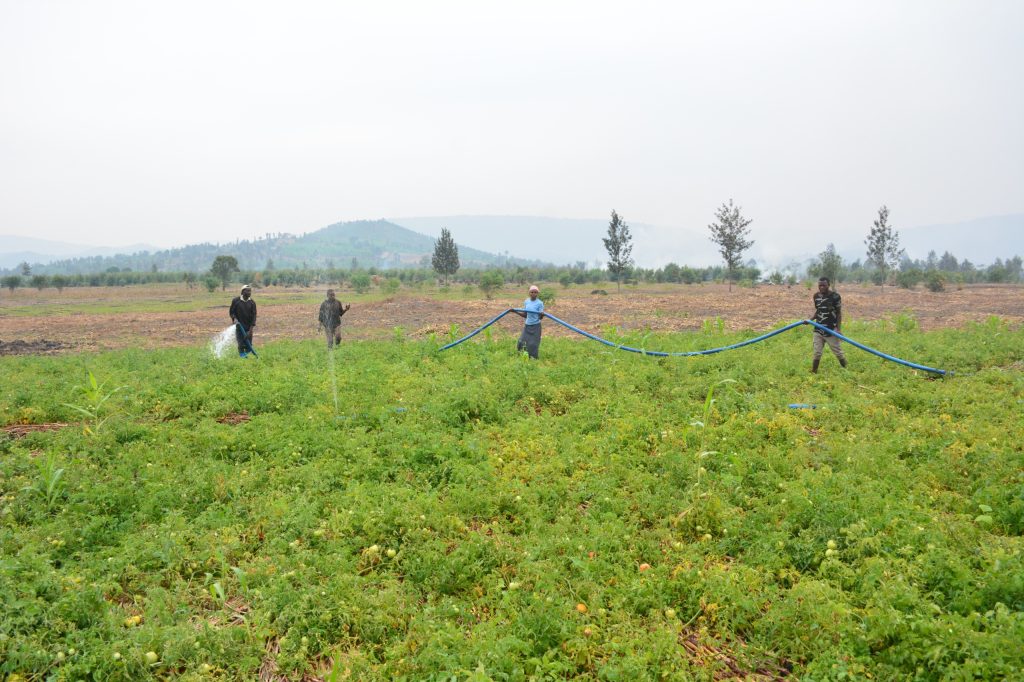
NYAGATARE, Rwanda – Small-Scale Irrigation Technology (SSIT) is transforming agriculture in Nyagatare District by enabling smallholder farmers to overcome water shortages, increase productivity, improve household incomes, and build resilience to climate change.
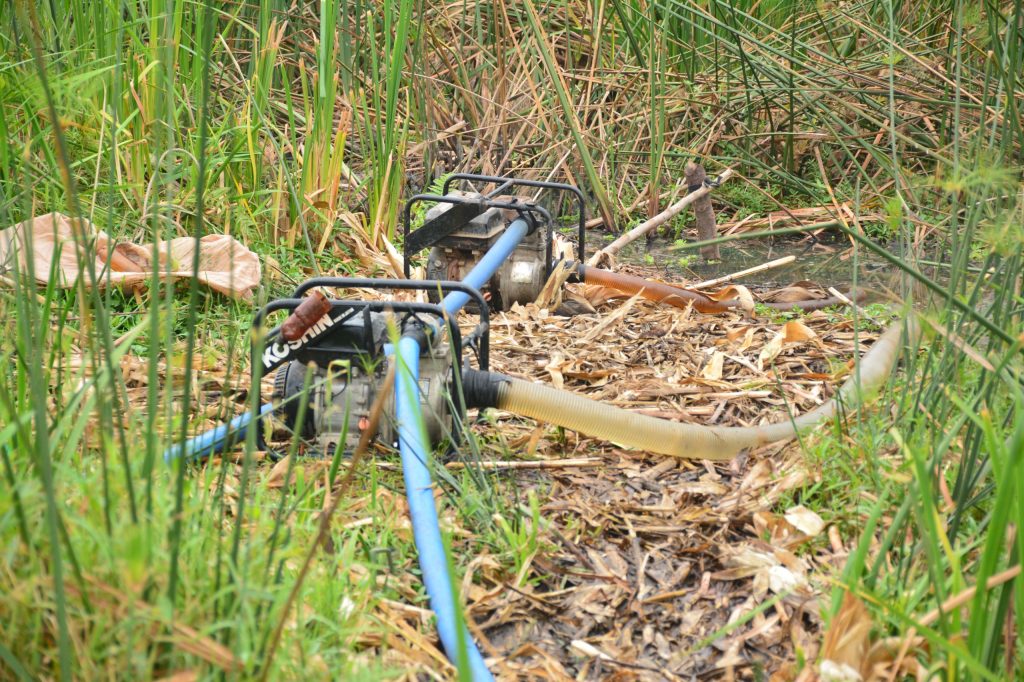
Through the Sustainable Agricultural Intensification and Food Security Project (SAIP II), farmers are gaining access to modern irrigation technologies that enable year-round cultivation while reducing dependence on increasingly unpredictable rainfall. The initiative is promoting sustainable farming practices, improving food security, and accelerating the transition from subsistence farming to market-oriented agriculture.
Implemented by the Rwanda Agriculture and Animal Resources Development Board (RAB) through the Single Project Implementation Unit (SPIU), SAIP II currently supports farmers in 20 districts across Rwanda, helping increase agricultural productivity, improve market access, and strengthen rural livelihoods.
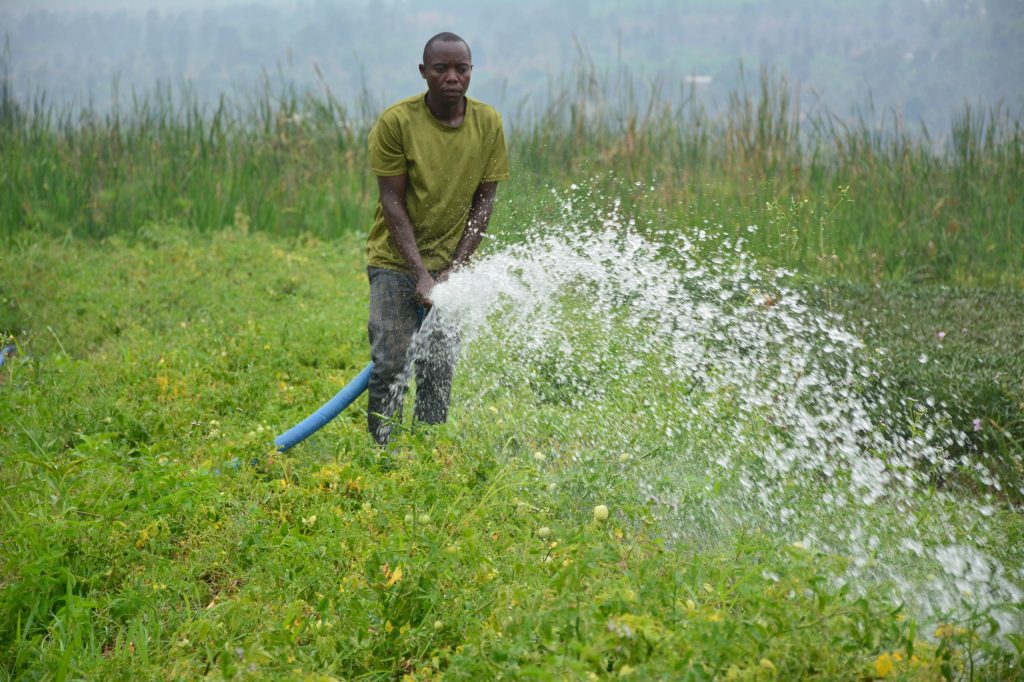
The project builds on the achievements of its first phase, SAIP I, which introduced small-scale irrigation technologies in nine districts and brought more than 1,367 hectares under irrigation. Under SAIP II, irrigation infrastructure has already been extended to approximately 1,200 hectares, surpassing the original target of 1,000 hectares.
Together, the two phases have benefited 3,369 farmers, including 1,916 men and 1,453 women, providing them with reliable access to water and modern agricultural technologies that have significantly improved production.
According to Innocent Nzabamwita, Irrigation Engineer Specialist at RAB-SPIU, the Government of Rwanda is making irrigation technology more affordable through subsidy programmes that lower farmers’ investment costs.
“Government subsidies for small-scale irrigation equipment are available for farmers cultivating between 0.5 and 10 hectares. Farmers contribute 50 percent of the cost, while the Government finances the remaining 50 percent.”
He added that farmers investing in solar-powered irrigation systems receive even greater support.
“For farmers cultivating between 5 and 10 hectares using solar-powered pumps, the farmer contributes only 25 percent, while the Government subsidizes the remaining 75 percent.”
Nzabamwita explained that priority is given to farmers whose land is located near reliable water sources, who are willing to make their required financial contribution, and who participate through cooperatives or organized farmer groups.
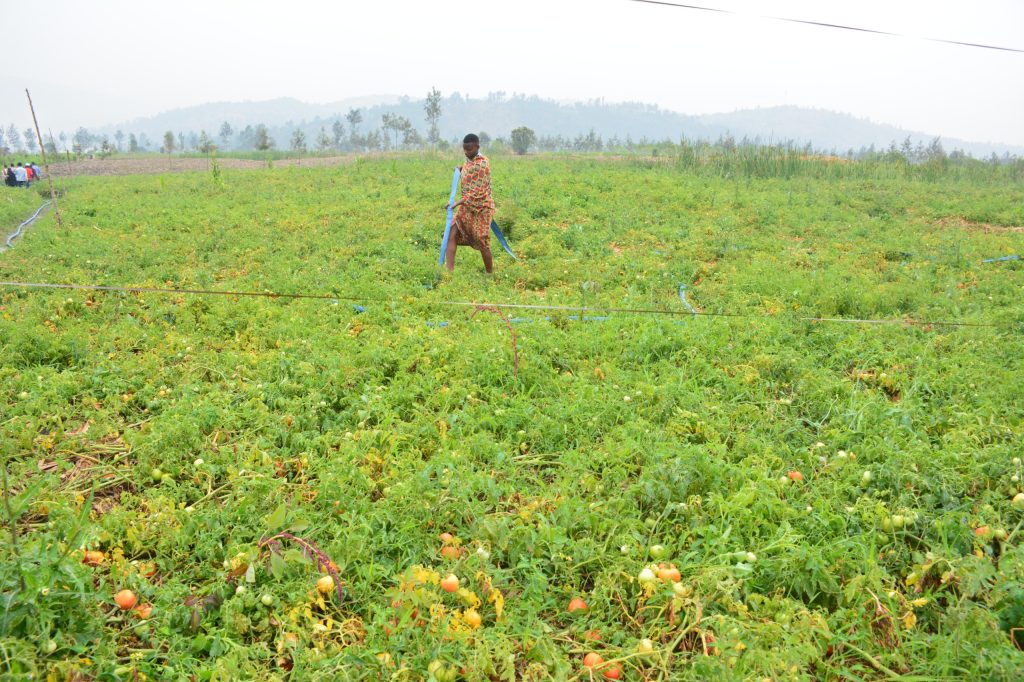
He noted that collective action remains essential because cooperatives strengthen irrigation management, improve production planning, and enhance farmers’ access to markets.
Among the beneficiaries is Biregeya Jean Paul, a farmer from Mimuri Sector in Nyagatare District, who says irrigation has completely transformed his farming operations.
Before receiving irrigation equipment through SAIP II, Jean Paul relied on a simple watering can to irrigate his crops, a labor-intensive process that consumed both time and energy. The challenge was particularly severe in Nyagatare, where prolonged dry seasons often threaten agricultural production.
Today, access to modern irrigation has significantly increased both his yields and income.
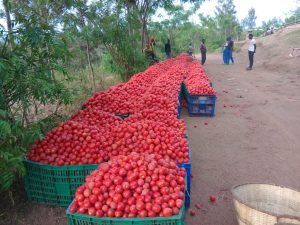
“Before, irrigating my crops was extremely difficult because I depended on a watering can. Our area experiences long periods of sunshine, making farming very challenging. Before receiving this equipment, I harvested around six tonnes of maize, but now I harvest about eight tonnes. My tomato production has also improved dramatically. Previously, I earned around RWF 1.5 million, but today I can generate nearly RWF 3 million because water shortages are no longer a major constraint.”
Jean Paul says the benefits extend beyond his own farm, as more farmers are gaining confidence to invest in agriculture.
“Many people who are not farming do not lack the willingness to work. They simply lack access to irrigation support. Today, I even help my neighbours irrigate their crops, and I encourage other farmers to register for the programme so they can also produce throughout the year.”
Beyond ensuring reliable water supply, Small-Scale Irrigation Technology is becoming a key driver of Rwanda’s agricultural transformation. By enabling farmers to cultivate during dry seasons, plan production more effectively, increase cropping intensity, and supply markets consistently, irrigation is strengthening food security, improving rural incomes, and enhancing farmers’ resilience to climate change.
The initiative also contributes to Rwanda’s broader agricultural transformation agenda by making farming more productive, commercially viable, and sustainable for smallholder farmers across the country.
About The Author


SUBSCRIBE TO OUR NEWSLETTER