Rwanda Hosts Regional Climate Forum as Horn of Africa Experts Prepare for Critical October–December Forecast
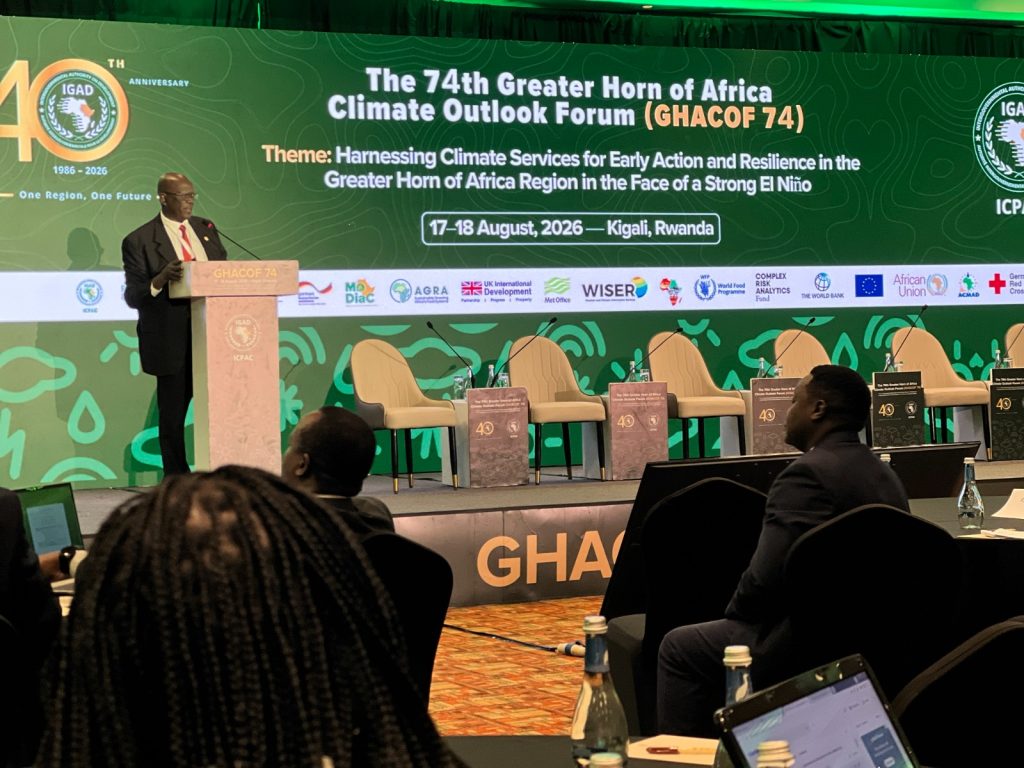
Rwanda on Monday hosted the 74th session of the Greater Horn of Africa Climate Outlook Forum (GHACOF), bringing together climate experts, policymakers and development partners to assess regional weather patterns and strengthen strategies for responding to the growing impacts of climate change.
The high-level forum, organised by the IGAD Climate Prediction and Applications Centre (ICPAC), is providing a platform for countries across the Greater Horn of Africa and neighbouring areas to jointly examine emerging climate conditions and their potential implications for communities and key economic sectors.
A major focus of the meeting is the development of the October–December 2026 seasonal climate outlook, a period of particular importance for countries whose agricultural production, water resources and livelihoods depend heavily on seasonal rainfall.
Participants are expected to analyse available climate information and translate the forecasts into practical actions that can help countries prepare for potential risks and take advantage of favourable conditions.
The discussions are focusing on how the anticipated seasonal weather patterns could affect agriculture, water resources, public health, livestock and disaster risk management.
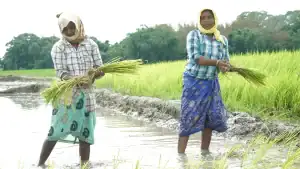
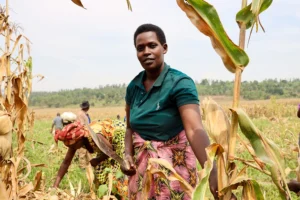
For agriculture, timely and reliable climate information can help farmers and authorities make informed decisions on crop selection, planting periods, water management and preparedness for weather-related risks. In the livestock sector, seasonal forecasts can similarly support planning around pasture, water availability and animal health.
The forum also places strong emphasis on the importance of climate information in strengthening disaster preparedness. Early warnings based on reliable forecasts can enable governments, communities and other stakeholders to take preventive measures against hazards associated with extreme weather.
The 74th GHACOF therefore provides an important opportunity for regional experts and partners to move beyond simply predicting weather conditions and focus on how climate information can be converted into practical decisions that protect lives, livelihoods and economic activities.
As climate variability and extreme weather events continue to pose challenges across the Greater Horn of Africa, cooperation among countries remains essential. The forum is expected to strengthen the sharing of climate knowledge, improve preparedness and support evidence-based planning ahead of the October–December 2026 season.
About The Author


SUBSCRIBE TO OUR NEWSLETTER