Ngororero: Families Celebrate SAIP II Gains in Nutrition, Food Security and Improved Livelihoods
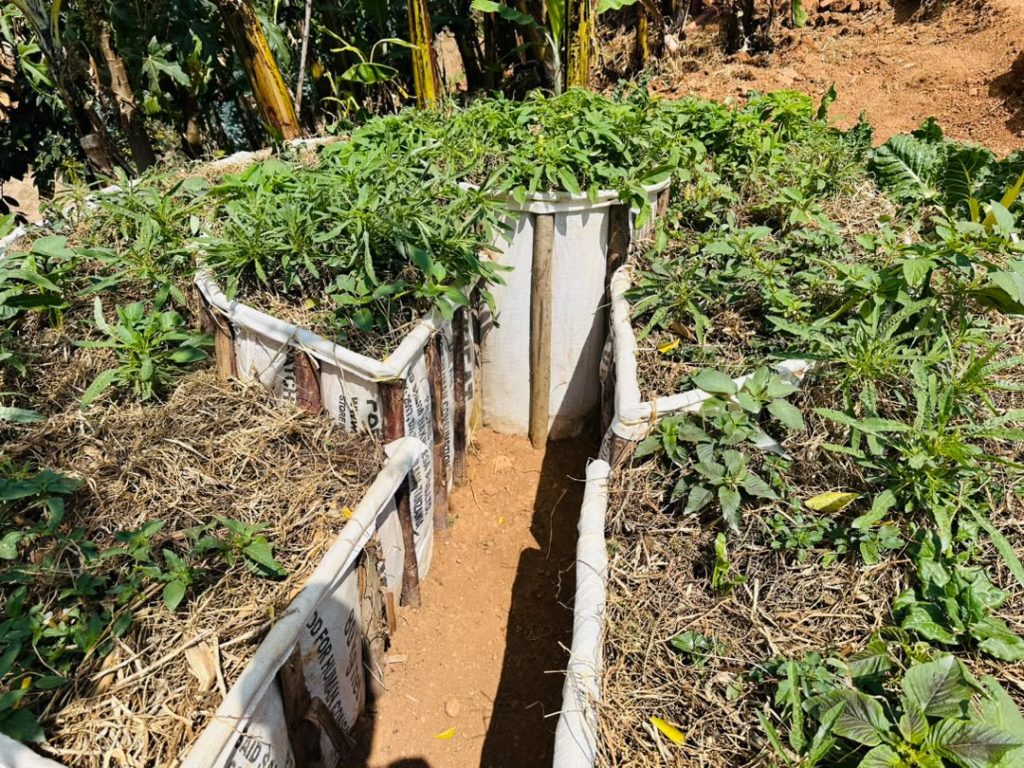
Families in Ngororero district indicate that the Second Sustainable Agricultural Intensification and Food Security Project (SAIP II) is changing more than what they grow it is transforming what they eat, how they care for their children and how they manage household finances, with poultry farming, vegetable production and nutrition education helping vulnerable families access healthier diets while creating new opportunities to save and improve their livelihoods.
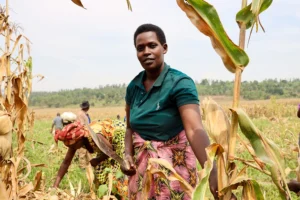
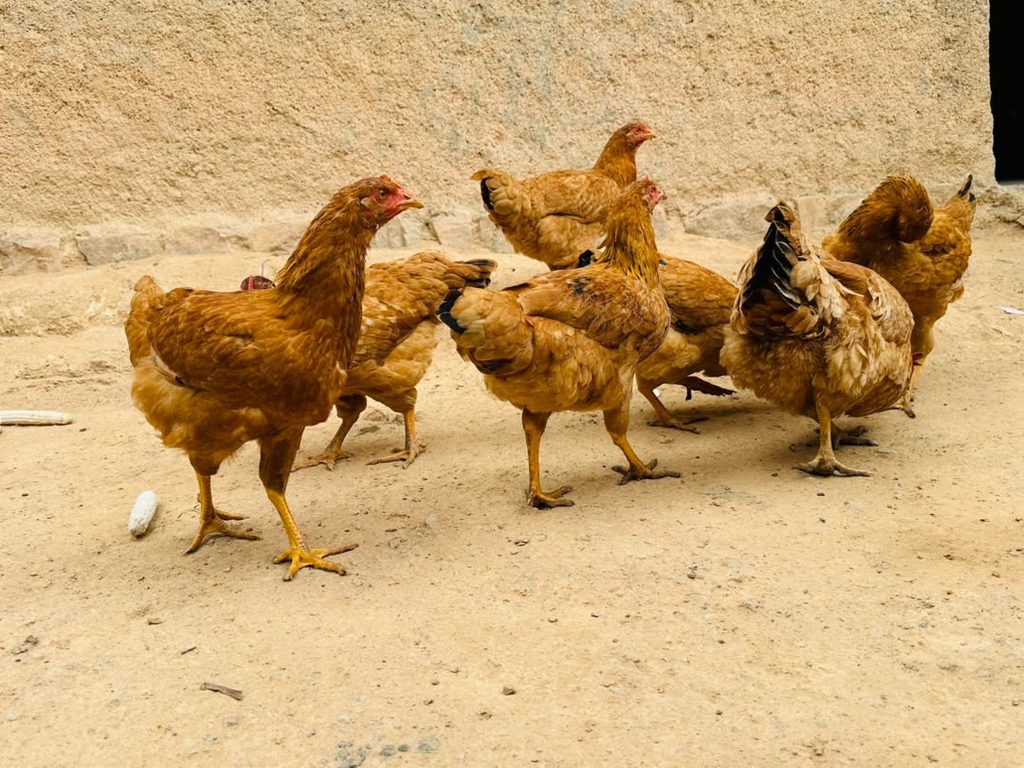
For MUSHIMIYIMANA Anne Marie, a mother of three from Murinda Village, Nyamugeyo Cell in Kavumu Sector, the impact of SAIP II is visible in her home, where four chickens she initially received have grown into seven and eggs have become an increasingly accessible source of nutrition.
Before benefiting from the project, MUSHIMIYIMANA says buying eggs and other animal products was a financial burden for her family, sometimes forcing her to sell items that would otherwise have been used to prepare meals.
“Before, I sometimes had to sell things that should have been used to prepare food just to get money to buy eggs and other animal products. Through the training we received from the facilitators, we learned how to keep chickens, and the eggs are now available in greater quantities.”
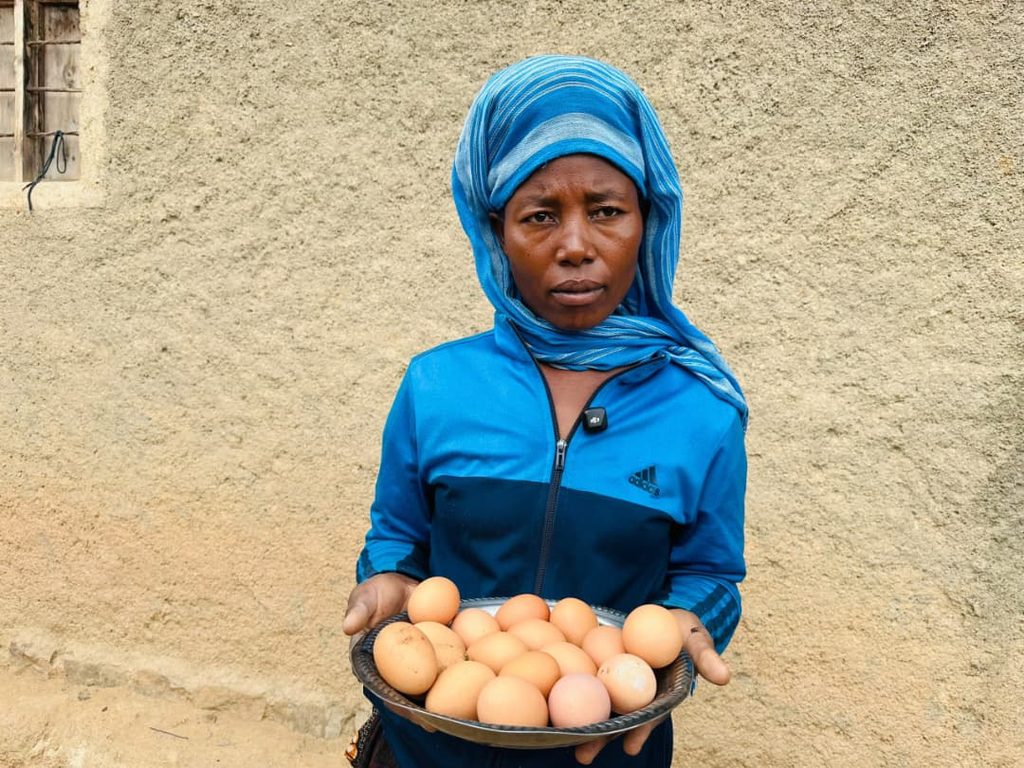
MUSHIMIYIMANA Anne Marie, a mother of three from Murinda Village, Nyamugeyo Cell in Kavumu Sector
The poultry intervention became particularly important after one of her children developed malnutrition.
“One of my children was suffering from malnutrition. The child was often very thin and had little weight, but after we started having access to animal products, especially eggs, the child began gaining weight about one kilogram in a week.”
She says the benefits have also extended to the family’s finances. Previously, much of the money earned by her husband was spent on purchasing food, particularly animal products. With the family now producing some of those foods, she says they have been able to reduce expenditure and save more.
“Before, the money my husband earned would often be spent on buying food, especially animal products. Now, because we can produce some of these foods ourselves, we are able to save that money.”
MUSHIMIYIMANA also sells surplus eggs, generating income that she uses for different household needs, including community-based health insurance. When a community kitchen is organized, she contributes eggs, helping provide children with nutritious meals.
Her poultry flock has grown from the four chickens she initially received to seven, with the increase coming through reproduction and the benefits generated from poultry keeping.
Another beneficiary, NDAYAMBAJE Jean Damascene, a father of three from Murimba Village in Nyamugeyo Cell, Kavumu Sector, says SAIP II has equipped his household with both agricultural inputs and knowledge to improve nutrition.
He received seeds for vegetables including amaranth, dodo, spinach and carrots, as well as four chickens for egg production.
NDAYAMBAJE says the knowledge gained through the project is also being shared with other families, particularly through activities at a local early childhood development centre where beneficiaries help prepare nutritious meals for children.
“At the nursery centre here, we are able to prepare meals for children using a balanced diet. We also try to teach others so that they can learn how to prepare balanced meals at home.”
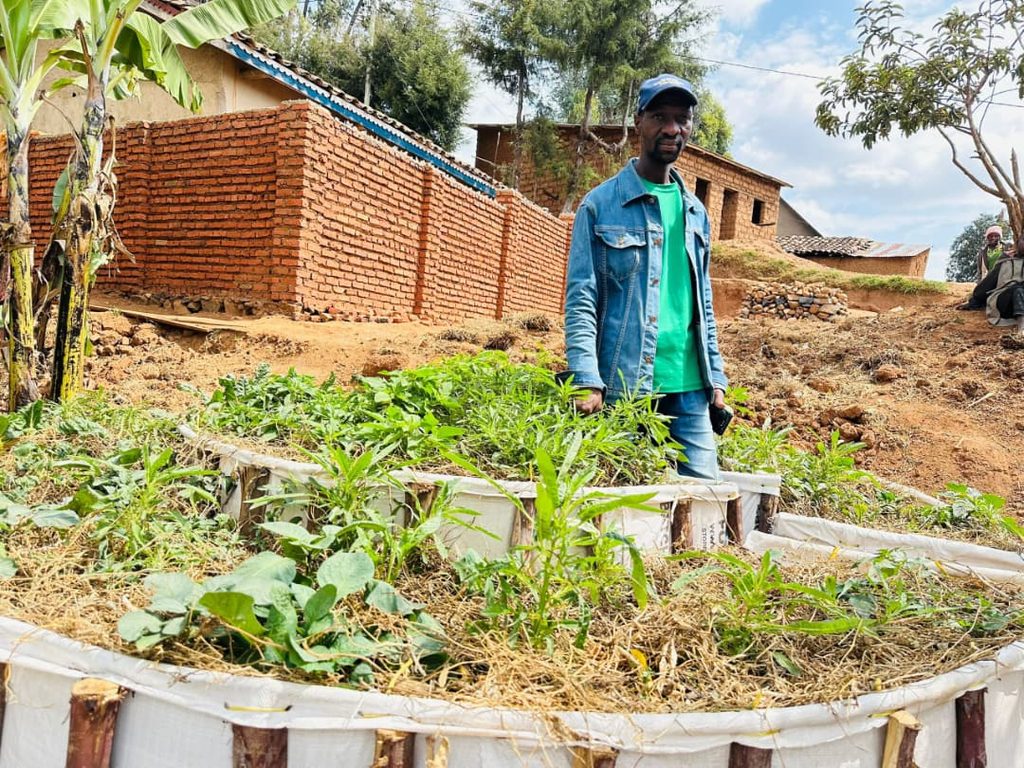
NDAYAMBAJE Jean Damascene, a father of three from Murimba Village in Nyamugeyo Cell, Kavumu Sector
He says the chickens have also become an important part of his household savings strategy. Through saving groups, beneficiaries set common financial goals, and money generated from poultry can be reinvested to purchase additional chickens and expand production.
The experiences of the two families reflect a broader nutrition intervention being implemented in Ngororero under SAIP II.
MUKUNDUHIRWE Benjamine, Ngororero district’s vice mayor in charge of social affairs, says the project has played an important role in changing people’s attitudes toward balanced diets and strengthening nutrition interventions at household level.
“SAIP has helped us change the mindset of citizens regarding balanced diets. People are increasingly understanding that having food alone is not enough for a healthy family; what is needed is a balanced and diverse diet.”
According to figures shared by the district, the prevalence of stunting among children in Ngororero declined from 50.5 percent in 2020 to 35.8 percent in 2026.
MUKUNDUHIRWE says the improvement is linked to combined efforts to strengthen nutrition, agriculture and household welfare, with SAIP II among the interventions contributing to the progress.
She emphasizes, however, that continued efforts are needed to sustain the gains and further reduce malnutrition.
“Reducing malnutrition requires collective action and continued investment at household level. Although progress has been made, we still have work to do to ensure that children receive proper diets and that families are able to access nutritious food.”
IMANIMURINDE Evode, Nutrition Specialist at SAIP II, says the nutrition component in Ngororero focuses particularly on vulnerable households, especially families with children under five years.
He explains that the intervention builds on nutrition activities implemented under SAIP I and was expanded under SAIP II to Ngororero in response to nutritional challenges, particularly the prevalence of malnutrition among young children.
“The nutrition intervention under SAIP II builds on what we started under SAIP I, but in SAIP II we expanded it to Ngororero to help families with young children access nutritious foods and gain knowledge on how to prepare and consume them properly.”
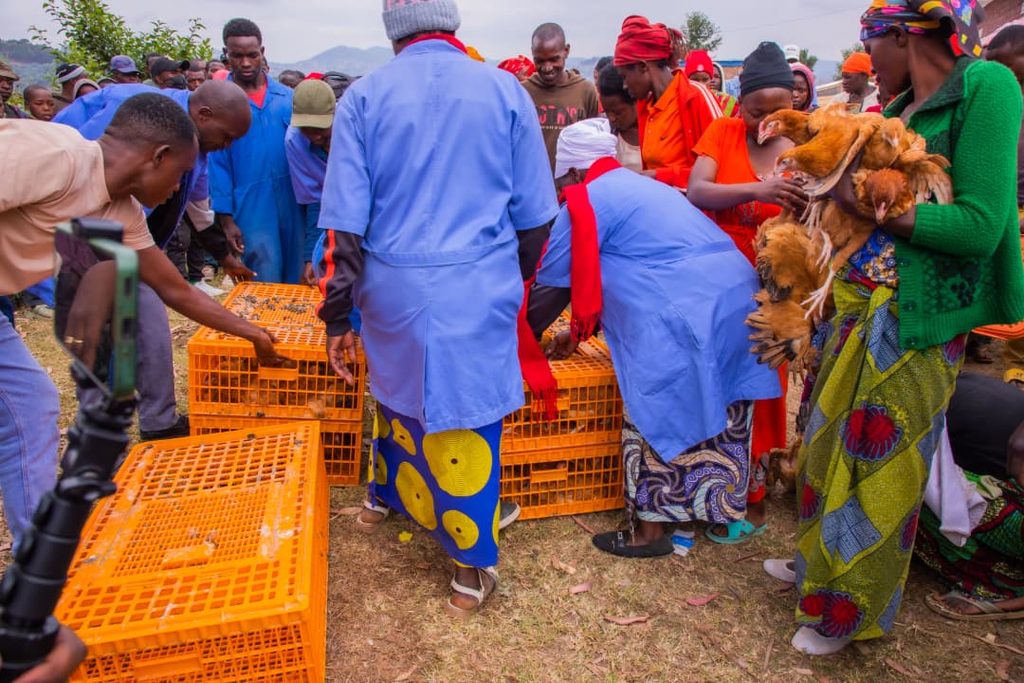
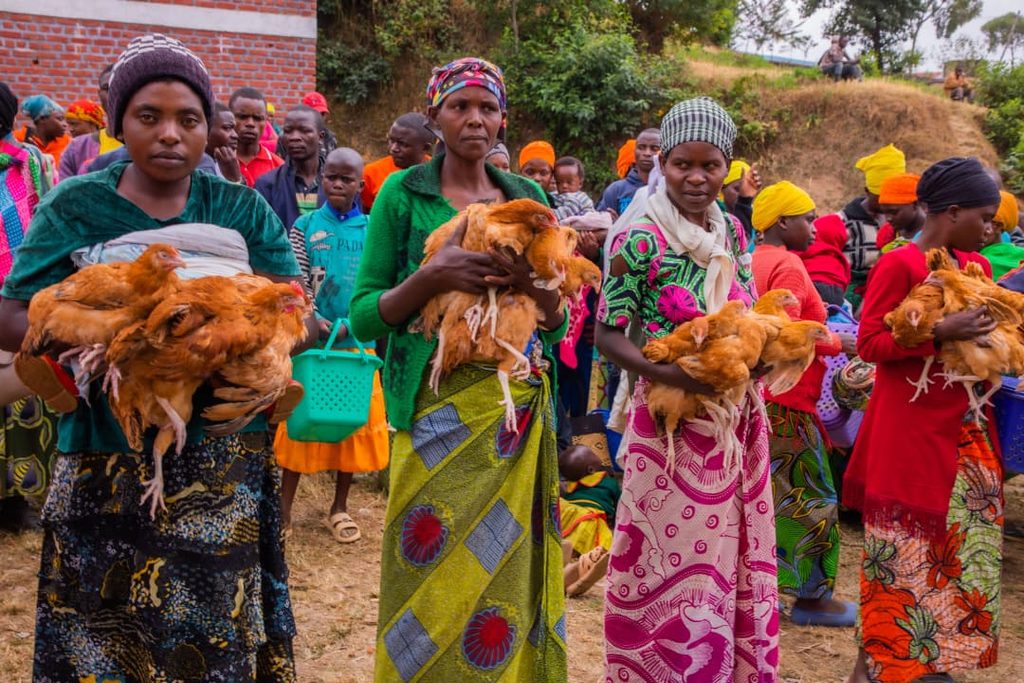
In Ngororero, 2,700 households received chickens and chicken coops, with each household receiving four chickens. Another 2,500 households received mushroom-growing tubes, while 600 households received planting materials for biofortified orange-fleshed sweet potatoes, an important source of Vitamin A.
Evode says the intervention is designed to go beyond the distribution of agricultural inputs. Its broader objective is to establish sustainable household nutrition systems in which families can produce a range of nutritious foods close to their homes while learning how to combine them into balanced diets.
“The goal is not simply to give a family chickens or vegetable seeds; we want to build a household nutrition system in which families can produce vegetables, eggs, mushrooms and nutrient-rich sweet potatoes, while learning how to combine those foods into a balanced diet.”
The project also provides nutrition education and Social and Behaviour Change Communication, helping families understand the nutritional value of different foods, how to prepare them and how to combine them into balanced meals.
Implemented by the Rwanda Agriculture and Animal Resources Development Board (RAB) through its Single Project Implementation Unit (SPIU), SAIP II is scheduled to close in December 2026.
SAIP I operated in nine districts, while SAIP II expanded the programme by adding 11 more districts, bringing its total coverage to 20 districts across Rwanda.
About The Author


SUBSCRIBE TO OUR NEWSLETTER