Rwanda’s first bulk fuel cargo arrives in Mombasa
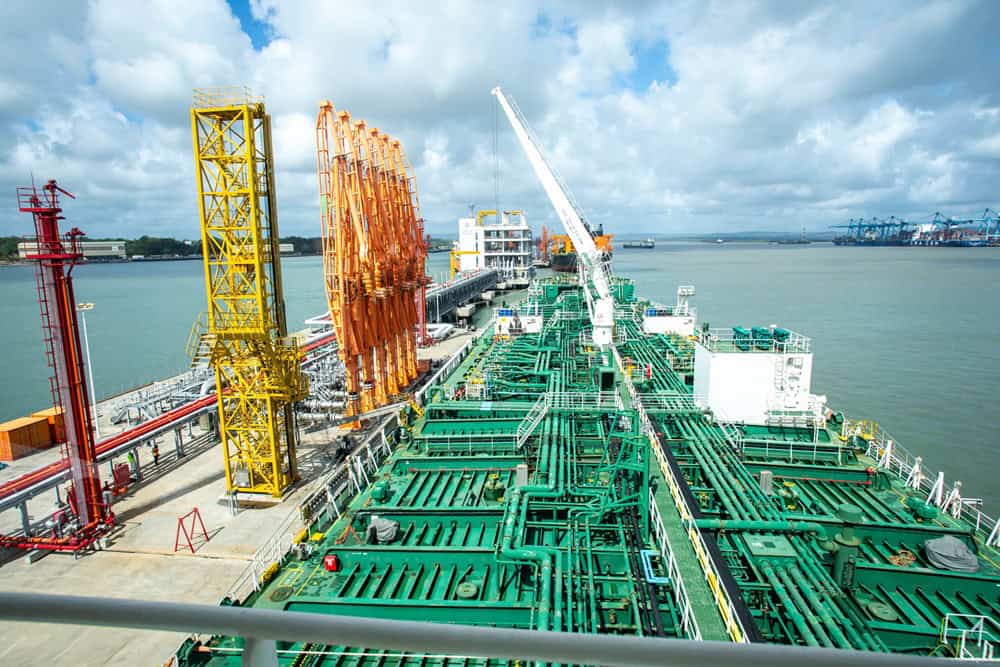
MOMBASA, Kenya — Rwanda and Kenya marked energy cooperation step with MT Sea Wolf arriving at Kipevu Oil Terminal 2.
It carried 40,000 tonnes of refined petroleum products, Rwanda’s First Bulk Fuel Cargo.
The shipment is the first under a government-to-government framework signed in June 2026.
Additionally, the framework opens Kenya’s Northern Corridor to Rwanda’s bulk fuel imports.
This includes the Port of Mombasa and the Kenya Pipeline Company network.
Officials described the docking as a milestone for energy security, supply-chain resilience, and East African Community integration.
Rwanda’s Minister of State in the Ministry of Infrastructure, Armand Zingiro, spoke at the ceremony on behalf of the Government of Rwanda. He reaffirmed Kigali’s commitment to deepening partnership with Kenya and said the arrival of the MT Sea Wolf should open the way for regular shipments that support shared prosperity and sustainable regional development.
The fuel is being supplied by OQ Trading, the state-owned trading arm of Oman. It is under a separate government-to-government supply arrangement with Rwanda. Additionally, after discharge at KOT2, the products will move inland through Kenya’s pipeline and storage system toward Rwanda.
A tenfold jump in planned volumes
Until now, Rwanda has imported most of its petroleum through Tanzania’s Central Corridor, with only about 30 percent moving through Kenya. Under the new agreements — a memorandum of understanding, a tripartite agreement and a transport and storage agreement — volumes through the Northern Corridor are projected to rise from roughly 42,000 to 50,000 cubic meters in 2025 to more than 500,000 cubic meters a year.
Kenya Pipeline Company has sweetened the route by allowing Rwanda-bound petrol and diesel to remain in storage for up to 90 days instead of 35 days, initially for two years. The company operates a 1,342-kilometre pipeline network, with more than a billion liters of storage capacity. Officials have pointed to the Kisumu Oil Jetty and possible future links toward Kigali as longer-term options.
Kipevu Oil Terminal 2, a modern multi-berth facility, is designed to handle large tankers and multiple petroleum products more efficiently than older infrastructure. Officials from both governments toured the terminal, viewed operations, and posed for photographs on the jetty with the tanker berthed alongside.
In summary, this explains what the deal is meant to achieve.
For Rwanda, the arrangement is part of a broader effort to diversify import routes, reduce reliance on private middlemen.
Consequently, it aims to stabilize supply and, over time, lower costs.
For Kenya, it adds another landlocked market to Mombasa’s petroleum business.
Additionally, it increases pipeline utilization and strengthens the port’s role as a regional energy gateway.
Additionally, Uganda already uses a similar government-to-government model through Mombasa.
Both sides framed Tuesday’s arrival as the start of a lasting logistics partnership.
Indeed, this contrasts with a one-off shipment.
Moreover, Zingiro said Rwanda expects many more vessels to follow.
Additionally, Kenyan officials had earlier called the first cargo the first true hallmark of the June agreements.
The cargo will now be discharged, stored and moved inland. How quickly subsequent shipments arrive, and how much of Rwanda’s total demand ultimately shifts to the Northern Corridor, will determine whether the partnership delivers the scale both governments have projected.
About The Author


SUBSCRIBE TO OUR NEWSLETTER