Rwanda’s visually impaired call for white canes to be covered by Mutuelle de Santé
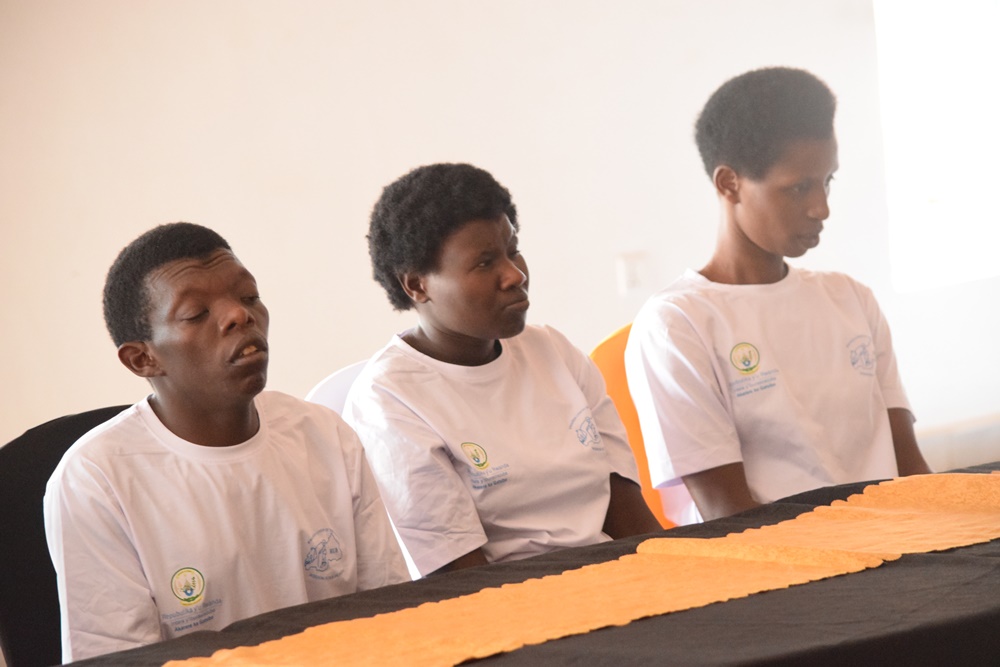
People who are blind or visually impaired in Rwanda are calling for white canes to be covered by community-based health insurance and made available through local pharmacies, saying high costs and limited access are restricting their ability to move independently.
A white cane can cost about Rwf50,000, according to the Rwanda Union of the Blind (RUB), while finding a replacement can be difficult because the devices are imported and are not widely available in the country.
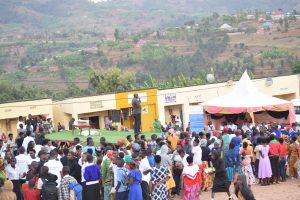
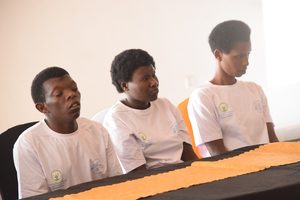
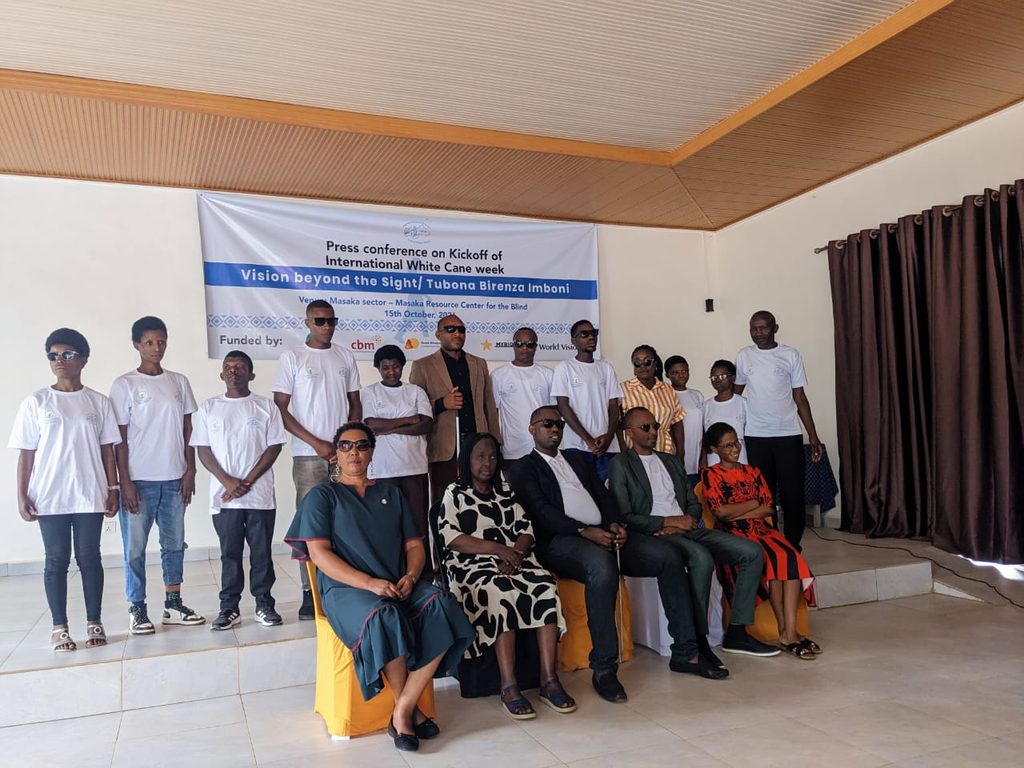
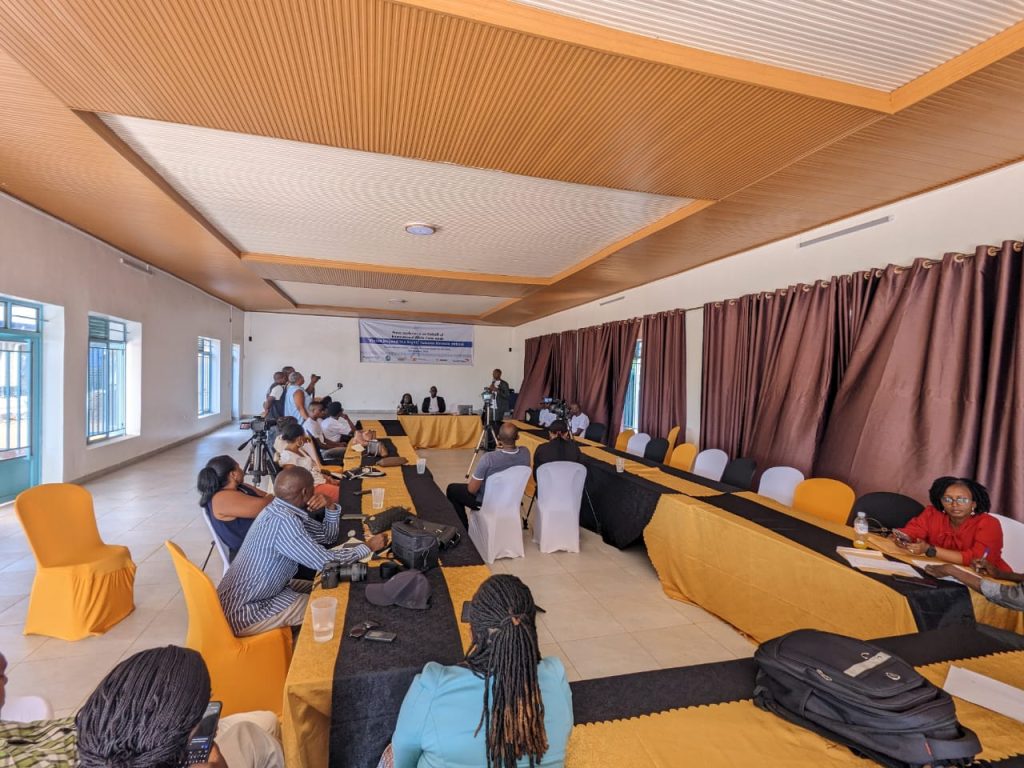
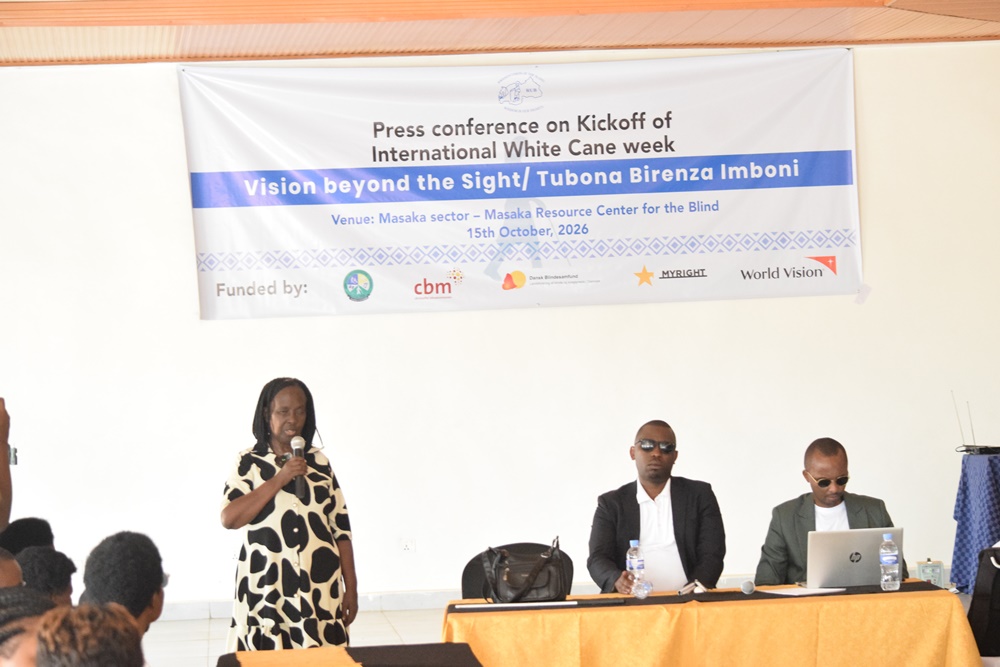
The issue was raised during the kickoff of International White Cane Week at the Masaka Resource Center for the Blind (MRCB) on October 15, 2026, under the theme “Vision Beyond the Sight.”

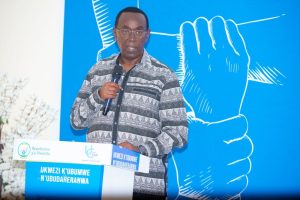
Pappy Sibomana, a member of RUB’s Advocacy Committee and an assistant lecturer at Rwanda Polytechnic’s Musanze Campus, said the cost of the cane remains a barrier, particularly for people with visual impairments who have limited incomes.
“Many people with disabilities, especially those with visual impairments, did not have the opportunity to access education from an early age. As a result, many live in poverty, making it difficult to afford a white cane,” Sibomana said.
He called on the government to accelerate efforts to make white canes accessible through community-based health insurance, commonly known as Mutuelle de santé, and available in local pharmacies and hospitals.
“Sometimes you may have the money but still fail to find a place to buy a white cane in Rwanda. For someone without an income, the cost makes it even more difficult,” he said.
Sibomana said improving access to white canes would help people with visual impairments travel independently to work, shop at supermarkets and participate in sports and other community activities.
Limited supply leaves users struggling
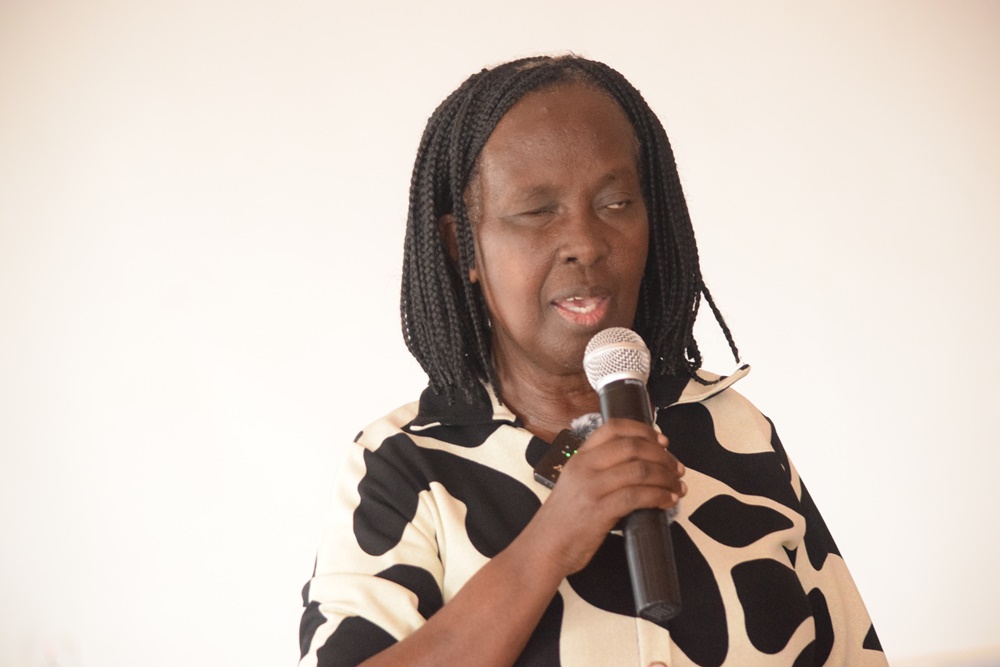
Dr. Beth Nasiforo Mukarwego, chairperson of RUB, said the white cane is an essential tool for people who are blind or visually impaired because it enables them to move around independently and carry out their daily activities.
She said the cane is so important to her that she prioritises it over other personal belongings when preparing to leave home.
“It is something we must take good care of because it has enormous value in the life of a person with a visual impairment,” Mukarwego said.
She explained that white canes are not readily available in Rwanda and are expensive for many people who need them.
The shortage also creates difficulties when a cane breaks. Users may have to wait until RUB receives new supplies from partner organisations before they can obtain a replacement.
“Because they are not readily available in our country, when a cane breaks, you may have to wait until RUB receives others from the organisations we work with,” she said.
Mukarwego said the situation can affect people’s ability to work and participate in everyday activities.
Some people who need white canes remain at home because they cannot move around independently without them. Others may struggle to perform their jobs if they cannot replace a broken cane.
She called for support from government institutions, businesses and other partners to help make the devices more affordable and accessible.
The chairperson also proposed establishing a company or factory in Rwanda to manufacture white canes locally, which she said could reduce dependence on imports and make the devices easier to obtain at lower prices.
RUB seeks wider distribution
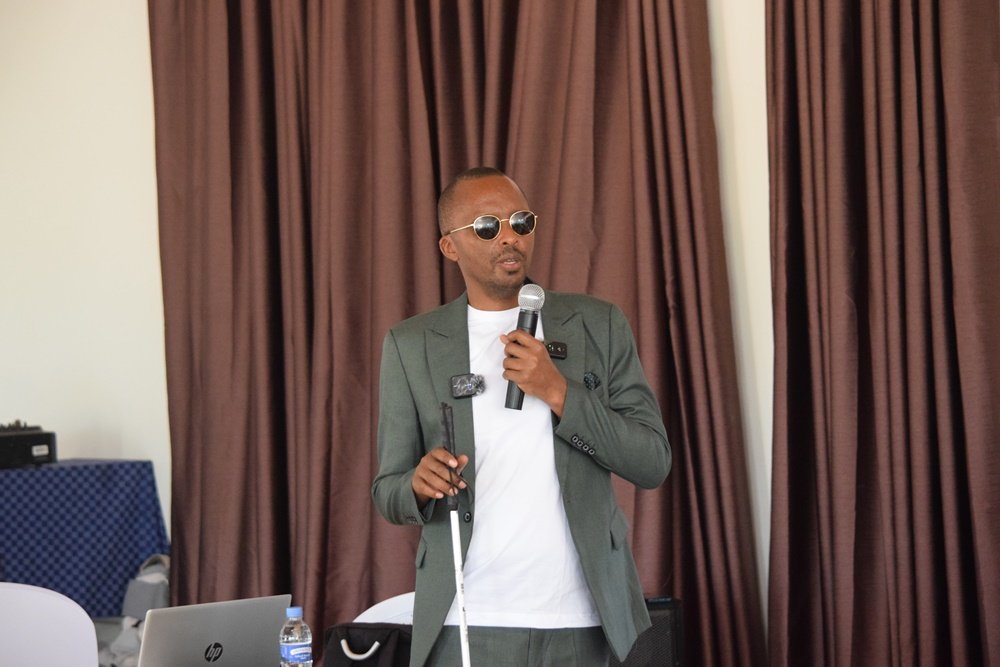
Jacques Mugisha, executive director of RUB, said the organisation was discussing improved access to white canes with different government institutions, including the Rwanda Social Security Board (RSSB).
He said one of the options being explored is making the devices available through district pharmacies, allowing people to obtain them closer to where they live instead of relying on RUB to distribute donated supplies.
“If white canes become available in district pharmacies across the country, someone in Rusizi, Nyagatare or Kirehe would not have to come to RUB to request one. They could obtain it through the district administration and a pharmacy,” Mugisha said.
However, he stressed that a reliable system for ensuring the devices reach people who need them has yet to be established.
Mugisha said RUB distributed 395 white canes in the previous year and expected to distribute between 150 and 200 in 2026, depending on the supplies available.
The organisation’s reach remains limited compared with the estimated number of people who need assistance.
According to Mugisha, RUB has a network of 64 local structures and has reached about 1,992 people with visual impairments through its activities. He cited figures from Rwanda’s 2022 census indicating that more than 100,000 people in the country have visual impairments.
He said the people reached by the organisation represent only a small proportion of those who may need its support, while the number of canes distributed depends on donations and available supplies.
Mugisha called on businesses, families and other members of the public who can afford to help to support the purchase of white canes for people who cannot afford them.
Beyond sight
Mugisha said the theme “Vision Beyond the Sight” was intended to challenge the assumption that people who cannot see are unable to perform many jobs or contribute fully to society.
He said people with visual impairments work as teachers, health professionals and managers, while others support their families and participate in different professional fields.
He argued that people’s abilities should be assessed according to their performance rather than their ability to see.
Mugisha said white canes had also helped people at the Masaka Resource Center for the Blind become more independent in moving around the facility, including when going to class or meals.
He said the experience demonstrated the importance of providing people with visual impairments not only with assistive devices but also with the skills needed to use them.
For RUB, improving access to white canes remains central to enabling more people to participate in education, employment and community life.
The organisation hopes continued discussions with government institutions and other partners will lead to a more reliable supply system, while users are calling for a practical solution that makes the devices affordable and accessible throughout the country.
About The Author


SUBSCRIBE TO OUR NEWSLETTER