African Women Raise Concerns Over Financing for the Belém Gender Action Plan
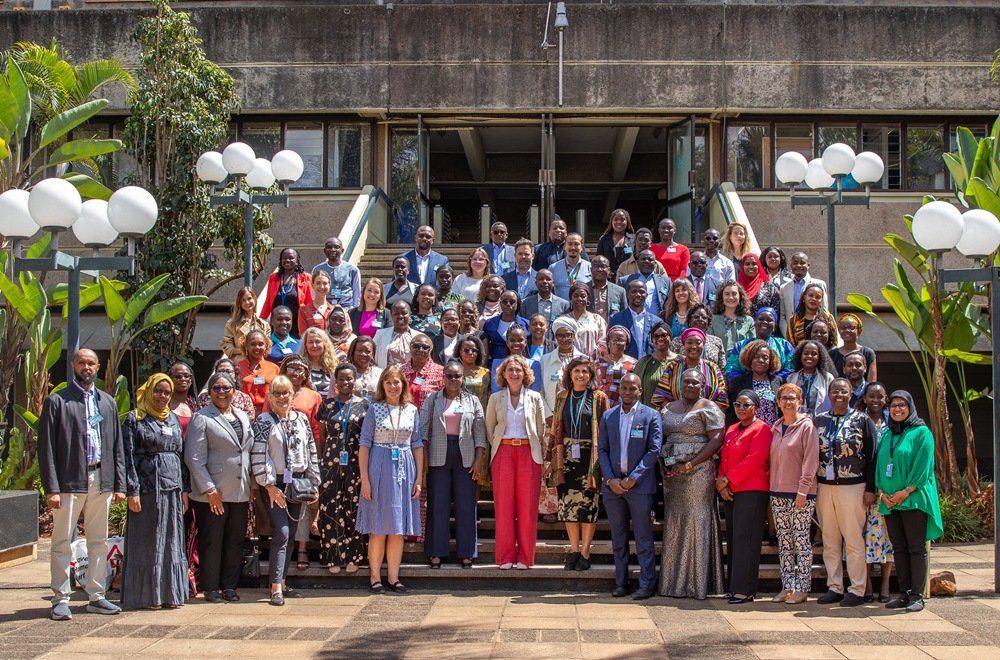
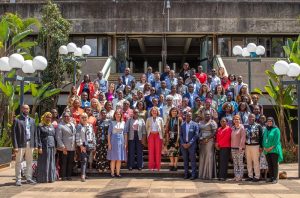
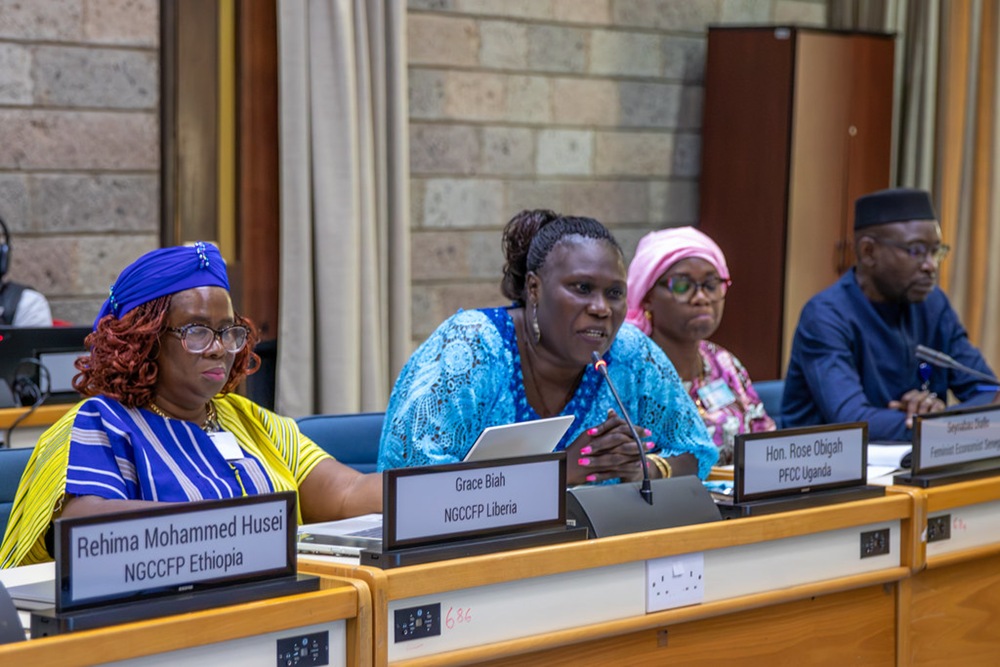
Nairobi, Kenya – African women activists, feminists, she-entrepreneurs, and regional experts from 20 countries convened at the United Nations Office in Nairobi for a pre-COP31 meeting on climate finance for gender equality.
The meeting, dubbed Unlocking Climate Finance for Gender Equality, was jointly organized by the United Nations Entity for Gender Equality and the Empowerment of Women (UN Women), the United Nations Environment Programme (UNEP), the African Group of Negotiators Expert Support (AGNES), the Regional Collaboration Centre for Eastern and Southern Africa (RCC ESA), the UN Women East and Southern Africa Regional Office (ESARO), the UN Women West and Central Africa Regional Office (WCARO), and the United Nations Women Global Office.
The meeting brought together experts from government institutions and diplomatic missions, including the Kenya State Department for Gender and Affirmative Action, the Embassy of Sweden in Nairobi, the Ethiopia National Gender and Climate Change Focal Points (NGCCFP), the Liberia National Gender and Climate Change Focal Point (NGCCFP), the Namibia National Gender and Climate Change Focal Point (NGCCFP), and the Uganda Parliamentary Forum for Climate Change.
The private sector was also represented by Old Mutual Limited Zimbabwe, KCB Bank Kenya Limited, Sun King, Strathmore University, the Global Off-Grid Lighting Association (GOGLA), the Climate Angels Fund, and the Massive Earth Foundation.
The main participants were African women activists, academics, and she-entrepreneurs from Burkina Faso, Côte d’Ivoire (Ivory Coast), Ethiopia, Kenya, Liberia, Malawi, Mali, Mozambique, Namibia, Nigeria, Senegal, Sweden, Tanzania, Uganda, the United States of America, and Zimbabwe, who met to discuss how climate finance can better address women’s and girls’ needs and priorities.
The pre-COP 31 convening explored financing mechanisms from the Adaptation Fund, the Climate Investment Funds (CIF), the Green Climate Fund (GCF), and the Global Environment Facility (GEF). Other ad hoc mentions included international climate funds, domestic resource mobilization, and private-sector investment.
Several discussions ensued, and many she-entrepreneurs, activists, and feminists called for stronger action to ensure that climate finance commitments deliver tangible benefits to women and frontline communities.
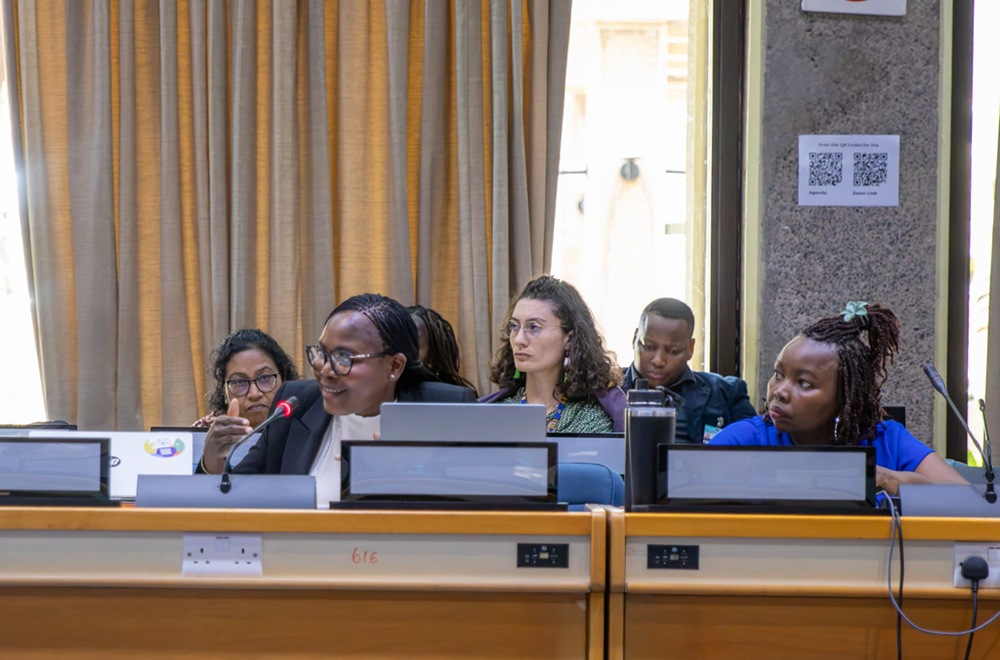
Aina-Maria Iteta, the National Gender and Climate Change Focal Point (NGCCFP) in Namibia, said, “Prioritizing the Belém Gender Action Plan (BGAP) requires climate finance institutions to translate commitments into adequately funded action.”
Iteta emphasized the importance of prioritizing the Belém Gender Action Plan (BGAP), which requires governments and climate finance institutions to translate commitments into adequately funded action.
Accordingly, Maria Matui, Executive Director of Women Action Towards Economic Development in Tanzania, described the Belém Gender Action Plan (BGAP) as a blueprint for advancing gender equality through climate finance. She emphasized that adequate funding is required to back its commitments and translate ambition into action.
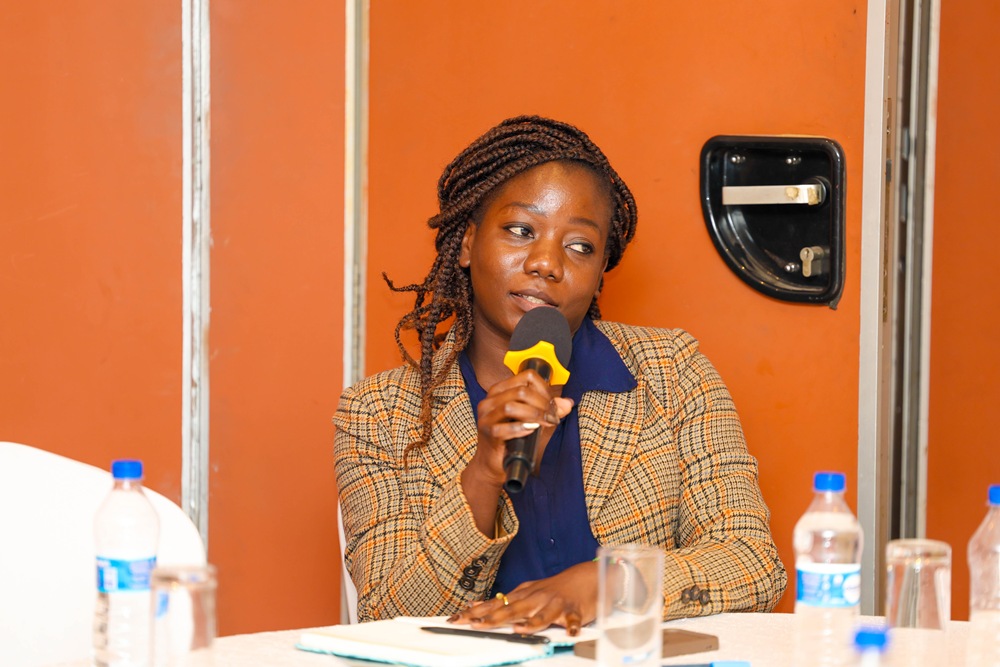
Rosebell Barbara, the Resource Mobilization Lead at the African Center for Health, Climate and Gender Justice Alliance (ACHCGA), called on governments and climate finance institutions to fund the plan. Barbara said, “The Belém Gender Action Plan gives African women an opportunity to advance gender equality in climate action, but there is no guarantee that climate finance will be specifically allocated to support its implementation.”
She emphasized that the nine-year Plan has 98 deliverables but noted that without clear financial commitments, women risk being recognized in climate policies without the resources needed to address the inequalities they face and participate meaningfully in climate action.
She also stated that without clear financial commitments, women risk being recognized in climate policies without receiving the resources needed to address the challenges they face.
Accordingly, Kate Nyambura, a Pan-African feminist, said, “Stakeholders must meaningfully engage African women, girls, and young people in climate policy discussions and meaningfully invest in their engagement.”
Nyambura stressed that African women must be at the forefront of climate action and response because they are disproportionately affected by climate shocks.
In the same breath, Honorable Rose Obigah, the District Woman Representative for Terego District in Uganda’s West Nile sub-region, said that data and evidence must inform climate finance decisions so funding responds to women’s needs and addresses the disproportionate impacts of climate change on their health, safety, and livelihoods.
Obigah warned that unless climate finance addresses these inequalities, governments will struggle to achieve the Belém Gender Action Plan’s goals. She called for evidence-based financing approaches that center women’s lived experiences in investment decisions, ensuring that resources reach the priorities and challenges they identify.
Whether climate finance investors will translate their commitments into dedicated funding for the Plan’s implementation remains to be seen. Ultimately, the BGAP’s success will depend not only on the commitments made but also on the resources mobilized to achieve meaningful, lasting change for women and girls.
The Article was written by: Imali Ngusale
About The Author


SUBSCRIBE TO OUR NEWSLETTER


![Two women smile as one awards a crystal trophy at a Commonwealth Youth Programme event, with a blue backdrop behind them.”]},{](https://www.topafricanews.com/wp-content/uploads/2026/06/unnamed-5-300x200.png)