Rwanda’s African Grand Prix Deal Divides Politicians and Stars Over Sport, Economics, and Rights
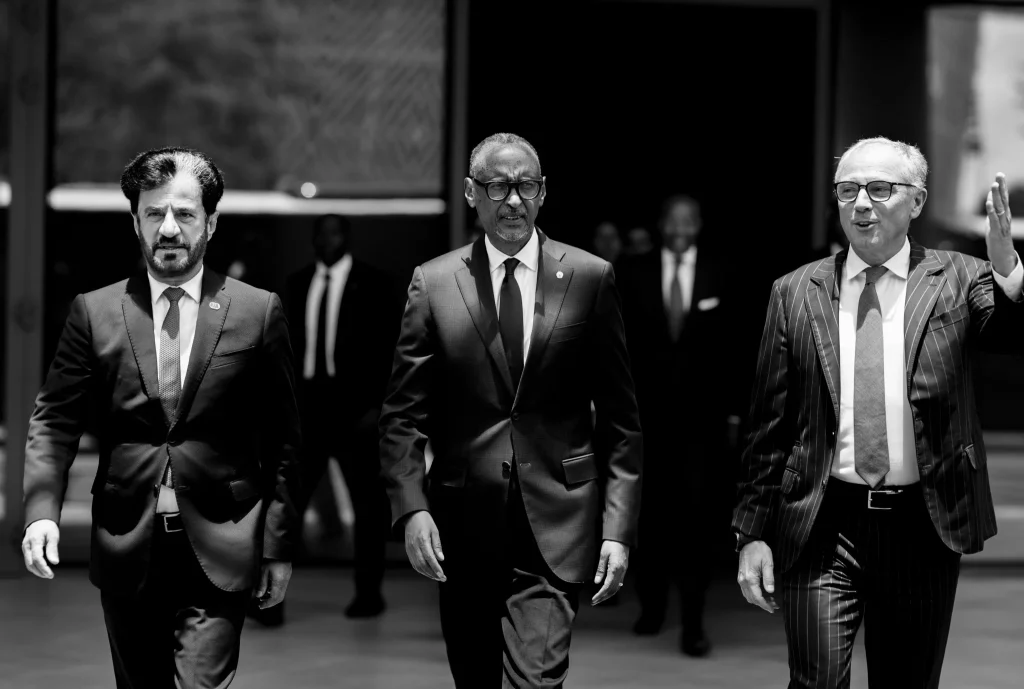
Formula 1 has signed a 10-year agreement for Rwanda to host the African Grand Prix starting in the early 2030s at a new circuit in Bugesera, about 40 kilometres south of Kigali and adjacent to a new international airport.
The race will be the championship’s first on the African continent since the 1993 South African Grand Prix at Kyalami.
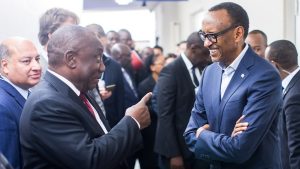
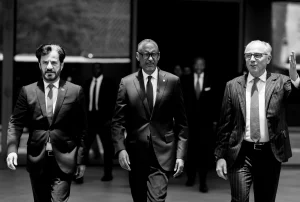
Rwandan President Paul Kagame described the agreement as a moment that “belongs to Africa,” pointing to expected benefits in jobs, skills, tourism and the possibility of additional races elsewhere on the continent.
F1 chief Stefano Domenicali called it a landmark step that places the series on every inhabited continent, while FIA President Mohammed Ben Sulayem highlighted Rwanda’s commitment to meeting international standards.
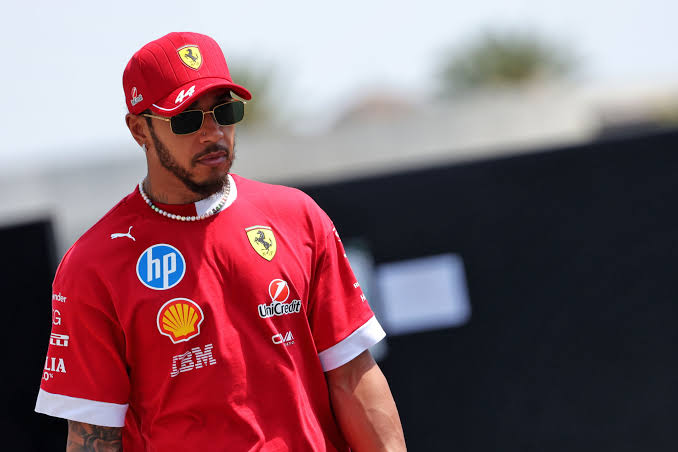
Support has come from several prominent figures inside and outside the sport. Seven-time champion Lewis Hamilton has long argued for an African race, calling the continent the most important and beautiful one missing from the calendar.
He has described Rwanda as “spectacular” and a place he could imagine living, and has said he does not want to retire without racing there.
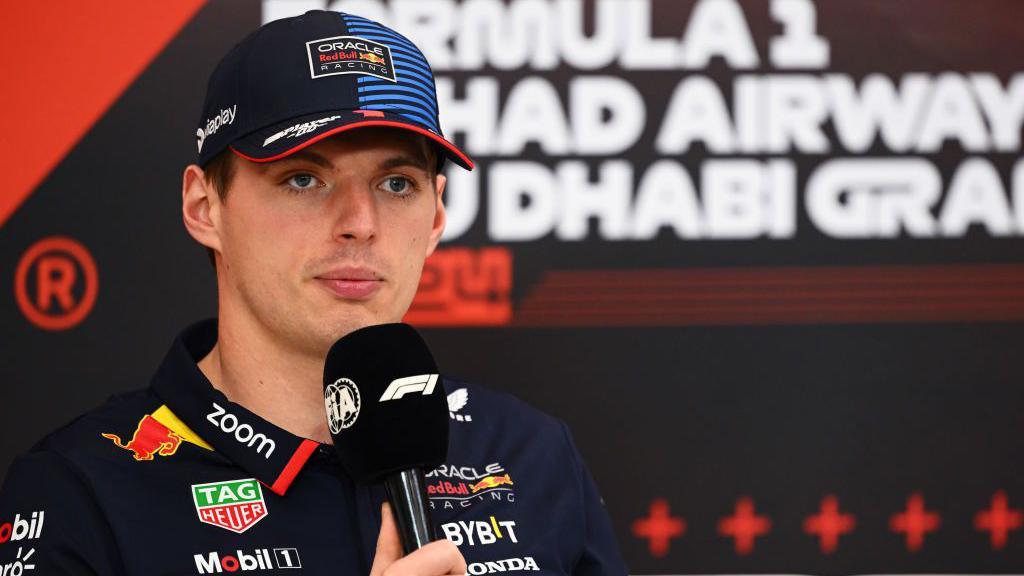
Max Verstappen, who visited Kigali in 2024, has expressed hope the project advances.
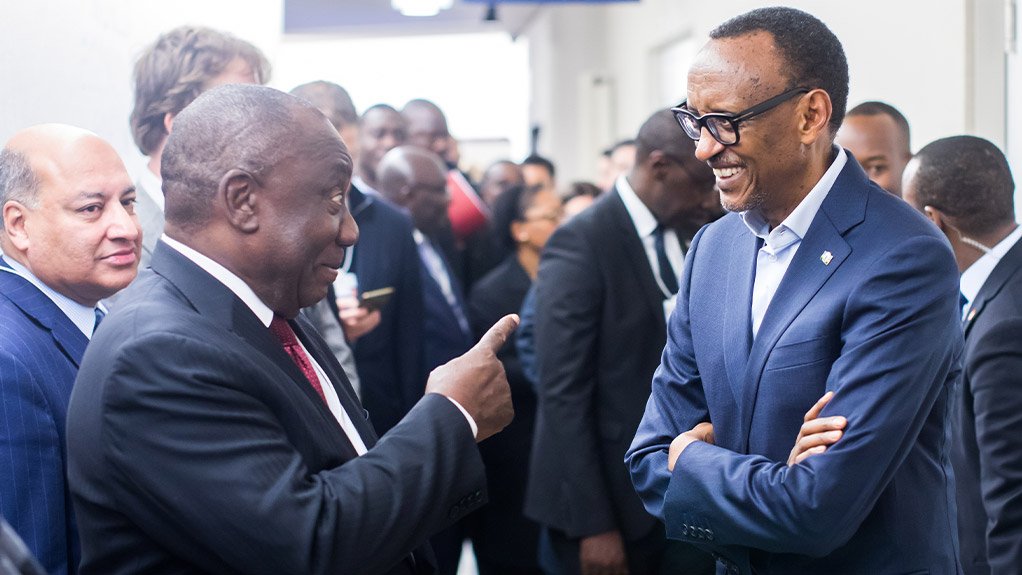
South African President Cyril Ramaphosa publicly congratulated Kagame, saying South Africa shares in the pride and is ready to offer support if asked. Zambian President Hakainde Hichilema also sent congratulations.
South African Sports Minister Gayton McKenzie acknowledged that Rwanda had worked longer on its bid and deserved the slot, while stating that his country is still pursuing its own race, potentially as early as 2028 or 2029.
Rwandan officials, including Sports Minister Nelly Mukazayire, have framed the event as a continental opportunity that can create pathways for African talent and businesses.
Critics have raised objections centered on human rights conditions inside Rwanda and allegations of involvement in the conflict in eastern Democratic Republic of Congo. Amnesty International’s Felix Jakens described the deal as a “sportswashing prize,” citing concerns over restrictions on political opposition, limits on free expression and reports of arbitrary detention.
Author Michela Wrong, who has written critically about the Rwandan government for years, called the agreement consistent with a pattern of using high-profile events to shape international perception.
Democratic Republic of Congo Foreign Minister Thérèse Kayikwamba Wagner has called the decision “morally indefensible,” linking it to fighting involving the M23 group and asking for guarantees that race funding would not be tied to conflict minerals.
On this, Rwanda’s top diplomat, Olivier Jean Patrick Nduhungirehe informed Kayikwamba that ” The DRC Foreign Minister should worry about the ongoing criminal investigation in Belgium on money laundering and plundering of Katanga’s mineral resources by President Tshisekedi and his family, rather than worrying about success stories in neighbouring countries.”

These lines of criticism pre-date the F1 announcement and have been applied to other international sporting and cultural partnerships involving Rwanda including the recently Successfuly Concluded historic first road world cycling championships in Africa.
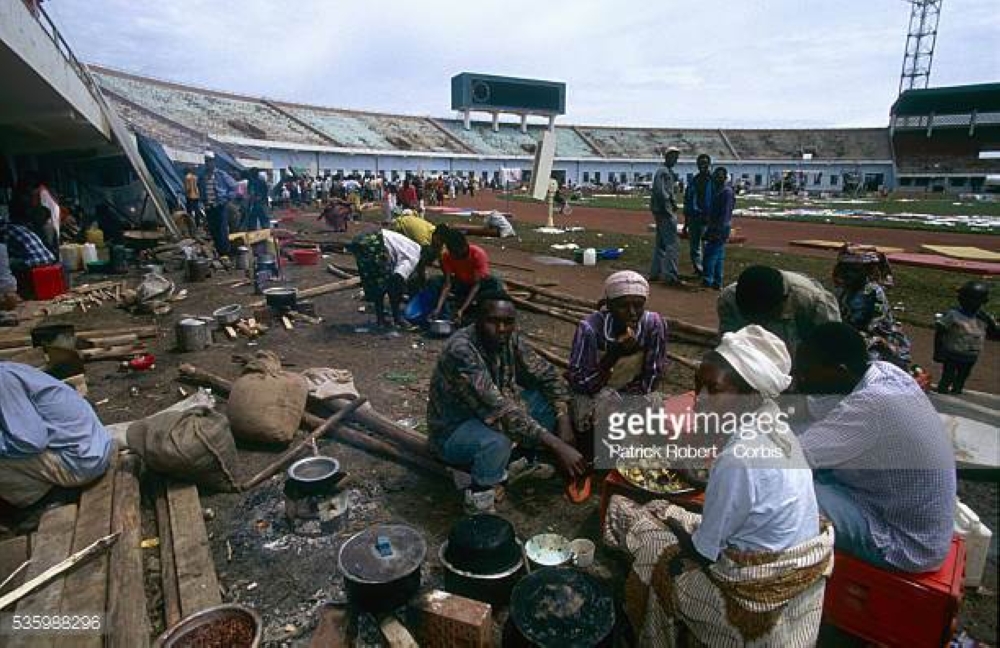
The Photo shows the Amahoro National Stadium in the 1994
Rwanda’s government and supporters point to measurable changes since the 1994 genocide against Tutsi, including sustained economic growth, improved safety and infrastructure in Kigali, expanded tourism and a record of hosting other major events. They argue that the F1 deal is part of a longer strategy to generate investment and visibility, and that external criticism often overlooks these outcomes. Critics maintain that governance and regional security issues remain unresolved regardless of infrastructure or tourism gains, and that the race is the latest example of Rwanda’s international outreach rather than an isolated decision. Rwandan authorities have long rejected such characterizations as politically motivated or outdated.
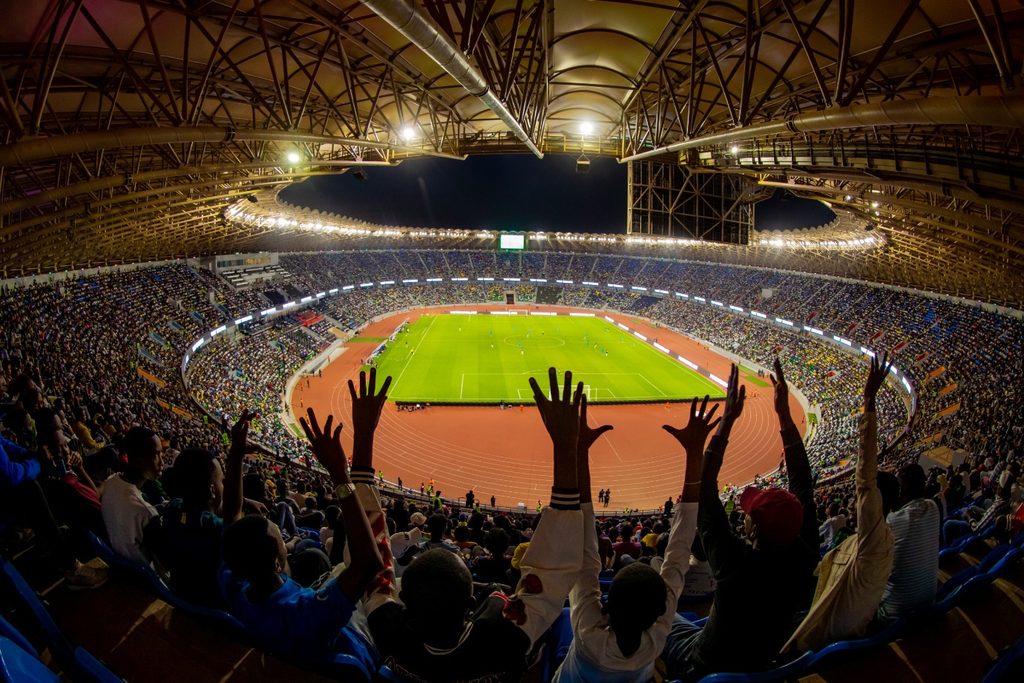
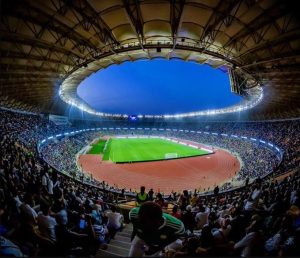
Amahoro National Stadium as of today
The announcement therefore sits at the intersection of two ongoing arguments: one that treats the race as recognition of Rwanda’s development and a wider African milestone, and another that views it as overlooking contested domestic and regional issues.
As work continues on the Bugesera circuit and the early-2030s start date approaches, both sets of views are expected to remain part of the public discussion.
About The Author


SUBSCRIBE TO OUR NEWSLETTER