Climate Collapse: The Greatest Security Threat of Our Time

War and climate collapse are not distinct tragedies. They feed off of one another, creating a vicious cycle. Climate stress exacerbates conflict, which accelerates climate catastrophe.
This week’s Munich Security Conference brought international leaders together in polished rooms to debate war, defense, and global security. The typical issues filled the air, including alliances, threats, and military policy. Then the German government issued a statement that should have shaken the entire room. They said that climate change is our time’s greatest security threat.
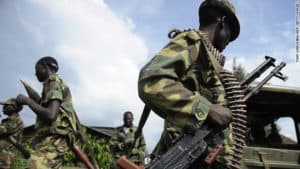
The world is slow to link these catastrophes, but the pattern is clear. War and climate collapse are not distinct tragedies. They feed off of one another, creating a vicious cycle. Climate stress exacerbates conflict, which accelerates climate catastrophe. The conflict in Gaza has destroyed infrastructure, forcing residents to battle for few supplies. The war in Ukraine has reduced woods to ashes and poisoned agriculture. Land disputes in Sudan have become more deadly as temperatures rise and droughts last longer. Years of climate-induced drought in Syria contributed to the economic despair that fueled the 2011 revolt.
Conflicts don’t start with weapons. They start with scarcity. A poor crop, a dwindling water source, or a shoreline overtaken by the sea are all mute warning signs of impending upheaval. Climate change has long been cautioned to serve as a danger multiplier, intensifying instability in vulnerable locations, with some studies demonstrating that climate-induced droughts and food shortages considerably enhance the probability of armed conflict. Climate-related disasters are expected to displace more than 1.2 billion people by 2050, according to the United Nations. What happens if they have nowhere to go? What happens if the next battle is not fought for ideology, but over access to land suitable for food production?
Climate instability is still viewed as an unpleasant background to geopolitical conflicts rather than a defining driver in shaping them in high-level security debates. However, that narrative is beginning to unravel. When I was invited to NATO headquarters to explore the connection of war and climate, I witnessed security professionals chart out potential confrontations. The majority of the talk centered on weaponry and borders. However, when I brought up the issue of climate, there was a change. Some of them were beginning to recognize what environmental experts had been warning about for years. Climate change is not some faraway crisis. It is already reshaping battlefields, redrawing frontiers, and creating new patterns of migration and war.
Security should be redefined. National defense policies must understand that water and food scarcity are existential security issues rather than humanitarian ones. Governments must recognize that willful destruction of natural resources constitutes a war crime and should be prosecuted as such. Future climate summits must take into account the consequences of war, ensuring that post-conflict reconstruction does not lock states into greater environmental collapse. The United Nations Security Council must explicitly acknowledge climate change as a security threat and include climate resilience into peacekeeping and post-war rehabilitation operations.
The International Criminal Court must declare willful destruction of water supplies and agricultural land a war crime. Future climate talks must include war zones to ensure that reconstruction efforts are sustainable and not carbon-intensive.
This is not merely about reducing emissions or implementing energy policies. This is about survival.
At the Munich Security Conference, leaders discussed power conflicts and military alliances, but the most pressing topic went unanswered. What type of world are we creating?
One in which climatic calamities fuel everlasting conflict, or one in which we finally see that peace and climate security are inextricably linked?
The battleground is already shifting. The only question is whether we can recognize it before it’s too late.
About The Author


SUBSCRIBE TO OUR NEWSLETTER