Health Security in Africa: Experts Stress Urgency of Collaboration at AHAIC 2025

Kigali, Rwanda – March 2, 2025 – Ahead of the highly anticipated Africa Health Agenda International Conference (AHAIC) 2025 in Kigali, experts at a press briefing emphasized the critical need for collaboration while underscoring the importance of African countries developing their own solutions to tackle the continent’s unique health challenges. The conference, set to run from March 2 to 5, will bring together over 1,400 delegates from 56 countries to discuss Africa’s most pressing health concerns, including outbreaks, climate-related health threats, and health financing.
Experts highlighted the urgency of building strong, resilient health systems tailored to local contexts, ensuring that Africa is prepared to handle both current and future health crises effectively.

Dr. Chikwe Ihekweazu, Acting WHO Regional Director for Africa, stressed the necessity of cooperation in global health security, stating, “In the realm of infectious diseases and health security, there is no room for saying ‘I will do it alone.’ Collaboration is essential in tackling health challenges effectively, as no single entity can address the complexities of health crises on its own.”
He added, “In this space of infectious diseases and health security, there is no success on our own. We have to work with each other. There’s no notion of one country having greater security while its neighbor does not. Collaboration is not a ‘nice to have’; it is a necessary part of our own enlightened self-interest.”
The conference serves as a platform for global health leaders to align efforts in shaping a resilient and self-sustaining future for Africa’s health sector. Dr. Ihekweazu emphasized that a threat in one country is a threat to the entire region, making collective action crucial.

Dr. Githinji Gitahi, CEO of Amref Health Africa, highlighted why AHAIC 2025 is a critical forum for Africa’s health agenda.
He said, “While the Africa Health Agenda is closely aligned with the global health agenda, it faces distinct challenges, including the ongoing burden of infectious diseases and rising non-communicable diseases (NCDs). The health system we need is not the one we have today—urgent reforms are crucial for a resilient, sustainable health future in the continent.”
He pointed out the economic limitations affecting Africa’s healthcare, particularly the region’s restricted fiscal space, “To improve this, we must address the structural issues within our economic framework. While this is a long-term goal, in the short term, we must revisit the Alma-Ata Declaration to strengthen primary health care and redesign the core pillars of our health system.”
He further stressed that Africa’s health agenda must be African-led. “Africa has a very unique health agenda that must be addressed, led by African communities and policymakers. This is what the Africa Health Agenda is all about.”

Rwanda’s Minister of Health, Dr. Sabin Nsanzimana, outlined how the country’s approach to health financing, digital health transformation and epidemic preparedness has positioned it as a leader in tackling health challenges in Africa.
“One of our key pillars is systems and governance. We focus on answering the question, ‘How do we adapt our system to our unique context?’ We believe in creating solutions tailored to our needs rather than simply copying and pasting models from elsewhere,” Dr. Nsanzimana said.
He emphasized Rwanda’s investment in its health workforce as a priority, aiming to increase resources available across different levels of healthcare. “We are also investing in modern equipment and cutting-edge technology, such as AI-powered scans, which should be developed by our young people to address our unique challenges.”
Dr. Nsanzimana outlined five key pillars of Rwanda’s healthcare system: investing in healthcare workers, expanding infrastructure, ensuring sustainable financing, strengthening epidemic preparedness, and leveraging technology for improved service delivery.
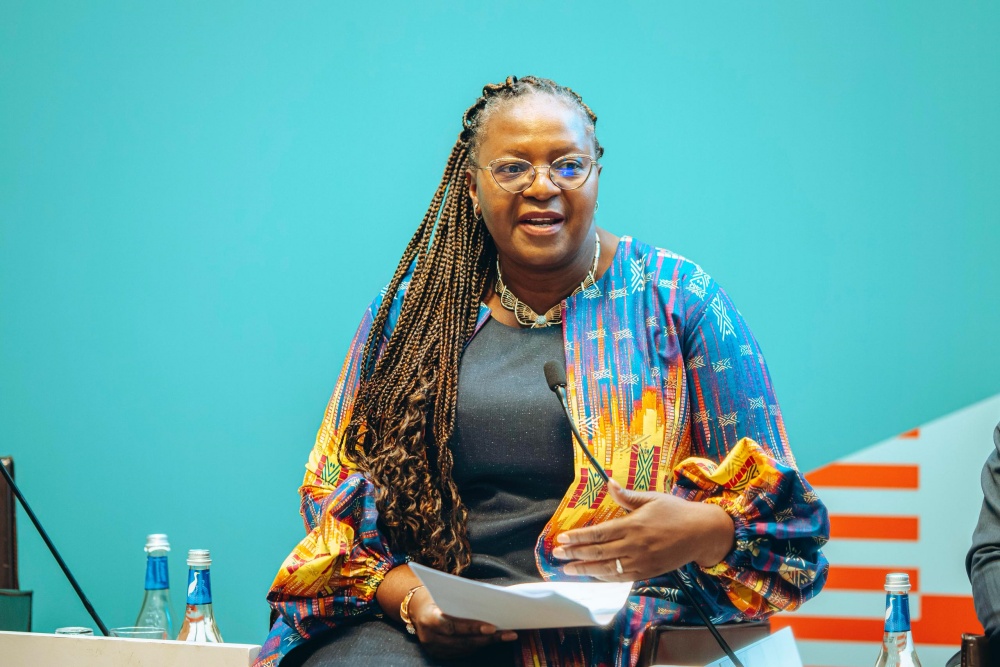
Dr. Claudia Shilumani, Director of External Relations and Strategic Engagement at the Africa CDC, reinforced the importance of partnerships in driving Africa’s health agenda forward. “I’m happy that I’m sitting here with WHO. We work very closely with WHO. We’re sitting with Amref as well as our member states represented by the minister. We believe that we will not walk this journey alone. We need to work in partnerships.”
AHAIC 2025 is expected to set the stage for actionable strategies that prioritize African-led solutions, sustainable financing models, and enhanced collaboration among stakeholders. With infectious diseases, climate change, and economic challenges placing increased pressure on health systems, experts agreed that Africa must chart its own path while leveraging global partnerships.
As the conference unfolds over the next three days, delegates will engage in high-level discussions, workshops, and collaborative sessions aimed at shaping policies that will drive the continent’s healthcare future. The call to action remains clear: African countries must take ownership of their health challenges, strengthen regional cooperation, and build resilient systems that serve their populations effectively.


About The Author


SUBSCRIBE TO OUR NEWSLETTER