Exclusive Interview with Tristan Horlick, Regional Managing Director for Middle East & Africa at Times Higher Education

By Ange de la Victoire DUSABEMUNGU
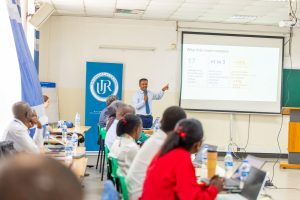
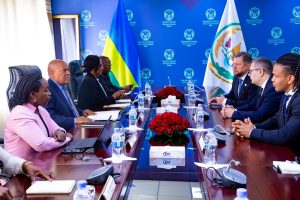
In the dynamic landscape of higher education, fostering partnerships and collaboration is vital for growth and innovation. During the Times Higher Education Africa Universities summit, we had the opportunity to engage with Tristan Horlick, the Regional Managing Director for Middle East and Africa at Times Higher Education. He shared his insights on the key outcomes of the event, the role of research and funding in universities, and the importance of partnerships in navigating the challenges faced by higher education institutions today.
Thank you so much for attending this summit. As we conclude the third day, what do you see as the key outcomes from this event?
Tristan Horlick: Thank you for having me. One of the main outcomes we’ve discussed is the emphasis on partnerships. A thought-provoking question that arose was about the mentality needed to push these partnerships forward. This mentality is essential for creating sustainable partnerships and working collaboratively in the long term.
In which sectors or areas within higher education should these partnerships be forged?
Tristan Horlick: That’s a great question. Partnerships can emerge across various facets of an institution. While some universities have dedicated departments for partnerships and international collaboration, it’s crucial to identify key areas for mutual learning. This could span research initiatives, academic exchanges, or shared resources.
Research and sustainable funding in universities are significant topics. Are you seeing universities addressing these challenges effectively?
Tristan Horlick: The landscape varies by country, but many universities are increasingly focused on attracting funding and becoming more entrepreneurial. There’s a positive shift, and it’s about fostering partnerships and sharing knowledge. Collaborating on funding initiatives can yield significant benefits for institutions.
Recently, the University of Rwanda was ranked among the top ten in sub-Saharan Africa. What can you tell us about this achievement, and what advice do you have for universities in Africa?
Tristan Horlick: The University of Rwanda’s recognition is well-deserved, especially considering their focus on relevant metrics like access, equity, and research collaborations in Africa. For other universities in Africa, embracing these aspects of their heritage and ensuring equitable access to education will be essential for future success.
What led you to select Rwanda as the host nation for this summit?
Tristan Horlick: The decision was made by our events team after thorough venue prospecting. We found that Rwanda offers a stunning convention center and it was a priority to bring this event to East Africa for the first time. This venue met our requirements perfectly.
As we discuss partnerships today, what areas do you believe universities should focus on, considering modern technological advancements?
Tristan Horlick: The answer really lies with the individual universities. They should assess their unique needs, determine where they require support, and identify opportunities for learning from peer institutions. Each partnership should be tailored to specific goals and contexts.
You mentioned including topics related to refugees in the summit discussions. Why was this significant?
Tristan Horlick: It was important to include relevant themes for our audience. Our content team conducts extensive research to understand pertinent topics, and the inclusion of refugees brings light to vital issues. This aspect adds depth to our discussions and fosters understanding of diverse challenges within higher education.

About The Author


SUBSCRIBE TO OUR NEWSLETTER