Akagera National Park Celebrates a Year of Growth, Biodiversity Conservation, and Community Development in 2024

Rwanda, May 27, 2025 — Akagera National Park, Rwanda’s premier wildlife sanctuary, has marked a remarkable year with impressive visitor numbers, groundbreaking conservation efforts, and robust community development initiatives. The park’s 2024 report reveals a thriving ecosystem, strong domestic tourism, and innovative strategies that serve as a model for conservation and sustainable development across Africa.
Record-Breaking Visitor Numbers and Revenue
Throughout 2024, Akagera welcomed a total of 56,219 visitors, of which 48,230 were paying guests. Notably, Rwandan citizens formed the largest segment of visitors, accounting for 45% of paying visitors — a testament to the park’s ongoing efforts to promote national pride and domestic tourism. The revenue generated from park activities reached nearly US$4.76 million, highlighting the economic significance of the park as a source of income and employment for local communities.
The park’s commitment to providing exceptional visitor experiences was recognized internationally when both Akagera itself and the Ruzizi Tented Lodge received the prestigious TripAdvisor Travellers’ Choice Award, acknowledging their excellence in hospitality and nature tourism.
Innovative Biodiversity Conservation Initiatives
2024 was a landmark year for biodiversity conservation at Akagera, with the park actively participating in pioneering projects such as the African Parks-led MENA initiative. This innovative project employs environmental DNA (eDNA) sampling—an advanced method to monitor ecosystem health by analyzing genetic material found in faeces, water, and soil. As part of this initiative, the park hosted training sessions for conservation staff and University of Rwanda students, laying the groundwork for ongoing ecosystem monitoring.
Additionally, Akagera undertook crucial collaring operations to track key species: four lions, six elephants, and seven white rhinos along with three black rhinos. These efforts bolster understanding of species movements, health, and habitat use, and enhance management strategies. The collaring process also involved local veterinary staff from the Rwanda Wildlife Conservation Association, fostering capacity building and local expertise.
Biodiversity surveys revealed the presence of over 6,700 dung beetles across 31 species and 8,400 butterflies spanning 91 species, with four species recorded for the first time in the park. Fruit-baited traps further enriched these findings, providing vital data on environmental health and species diversity amid changing climate patterns.
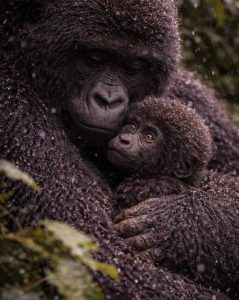
Significant breeding success was recorded in 2024, with the birth of four black rhino calves—including a calf born in March to Olmoti and Mandela—and three white rhino calves. These babies stand as a testament to the park’s effective conservation strategies and ongoing efforts to restore rhino populations.
Community Engagement and Socioeconomic Development
Akagera’s role extends beyond wildlife conservation; it is a catalyst for community development and economic empowerment. In 2024, the park organized educational activities reaching over 10,000 community members, including students, teachers, local leaders, and residents. These initiatives included park visits, game drives, and dissemination of conservation messages through radio and television broadcasts.
Community engagement extended to popular events such as the Rhino Velo Race, Rhino Foot Race, and Lion’s Cup football tournament, which attracted approximately 25,000 participants and spectators. These events fostered awareness on anti-poaching efforts and promoted community cohesion.
The park also promoted literacy and skill-building through school competitions, engaging over 3,700 students, and provided training in sustainable livelihood activities. Eight fishing cooperatives learned about sustainable catfish farming at Gishanda Fish Farm, while five cooperatives completed a three-month beekeeping program, increasing hive numbers from 307 to 779 and producing valuable beeswax products. Business plan training equipped cooperative members with strategic skills for future growth.
Economic benefits have been tangibly felt by local communities: community-owned fisheries harvested over 130,000 kilograms of fish valued at US$121,837, with a significant portion sold locally at affordable prices. The beekeeping union harvested around 13 tonnes of honey worth approximately US$60,000. Akagera’s construction and labor cooperatives earned nearly US$200,000 in 2024 through various projects and services. Additionally, local procurement and enterprise activities contributed over US$700,000 to the community economy.
Infrastructure and Sustainability Enhancements
Akagera made substantial progress in infrastructure improvements, including the complete renovation of Karenge Bush Camp, the construction of new ranger posts, and the installation of lightning protection systems. The park prioritized environmental sustainability by introducing clean cookstoves using agroforestry waste pellets, deploying solar water heating, and testing electric vehicles for tourism.
About The Author


SUBSCRIBE TO OUR NEWSLETTER