Deforestation now poses material risk as EUDR enforces strict supply chain accountability, says GlobalData

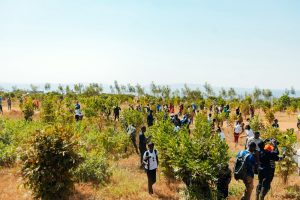
Example of deforestation in Sierra Leone. Taken Dec 2022, credit UAVaid Ltd.
Deforestation is no longer just a reputational concern, it is now a material risk with regulatory teeth. With the EU Deforestation Regulation (EUDR) taking effect in December 2025, companies across sectors must prove their supply chains are deforestation-free or face severe penalties. The shift demands urgent action on traceability, supplier engagement, and sustainability strategy to preserve access to critical markets, says GlobalData, a leading data and analytics company.
The upcoming EUDR is a commodity-based regulation requires companies importing deforestation-intensive commodities (cattle, palm oil, soy, coffee, cocoa, rubber, or wood) to the EU to provide evidence that these products’ supply chains are deforestation-free. Companies that fail to comply could face a fine of up to 4% of their EU revenue or a temporary suspension from the EU market.
GlobalData’s latest Strategic Intelligence report, “Deforestation Risk,” includes analysis of the economic and environmental impacts of deforestation, an overview of the global regulatory landscape, and deforestation risk profiles for 12 industries
Aoife McGurk, Strategic Intelligence Analyst at GlobalData, comments: “For many years now, certain companies have faced operational regulatory risk if their operations directly contribute to deforestation. The introduction of the EUDR from December 2025 means far more companies will need to mitigate the supply chain regulatory risk they face.”
To help companies analyze this expanded regulatory risk, alongside the physical, reputational, and financing risk that deforestation generates, GlobalData has developed a brand new Deforestation Risk Framework.

When analyzed through this framework, the agriculture sector faces the highest level of risk across the board. The sector’s intensive use of commodities targeted by the EUDR exposes it to elevated regulatory risk, and its reliance on ecosystem services, like pollinators and the water cycle, means it faces significant physical risk.
The second most exposed sector is consumer. While it directly contributes to very little deforestation, the consumer sector’s supply chains involve vast amounts of high-risk commodities—palm oil, in particular.
Companies in every sector face an underlying low level of financing risk. As financial institutions realize the risk to which deforestation and the ensuing loss of natural capital expose them, they will restrict their provision of financial services to companies that do not contribute to forest loss. Barclays has already launched a policy to this effect.
McGurk continues: “Every company needs a strategy to mitigate deforestation risk in its many forms. GlobalData has five key recommendations companies should follow when implementing such a strategy.”
Companies should set a robust no-deforestation target to signal to consumers and regulators that they are serious about their forestry efforts. They should engage with suppliers throughout the value chain to strengthen accountability and explicitly integrate deforestation risk into their business strategies. Companies should try to substitute any high-risk commodities they use wherever possible.
Using natural or synthetic alternatives, changing suppliers, and economizing on the volume of each commodity can help reduce deforestation risk. Finally, investing in supply chain traceability and anti-deforestation technology will help with EUDR compliance.
McGurk concludes: “One of the biggest challenges for EUDR compliance is ensuring that supply chains are fully transparent. Artificial intelligence (AI) can support anti-deforestation efforts by monitoring forests and using predictive analytics to predict where deforestation will occur, allowing stakeholders to prevent it. Internet of Things (IoT) technology helps monitor deforestation by combining many inputs from different sensors to detect changes in forests, analyze this data, and communicate potential deforestation to the relevant authorities. Dedicated supply chain traceability platforms combine these technologies to help companies mitigate their deforestation risk.”
About The Author


SUBSCRIBE TO OUR NEWSLETTER