Vaccination Beyond Childhood: A Lifesaving Strategy for Aging Populations

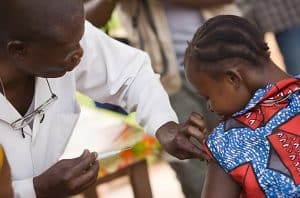
As the global population ages at an unprecedented rate, public health experts are sounding the alarm: immunization must extend beyond childhood to protect people across every stage of life.
For the first time in history, adults over the age of 65 now outnumber children under five. By 2030, nearly one billion people will belong to this older age group, according to global estimates. Yet many of them remain unprotected against preventable diseases due to a narrow focus on childhood and maternal immunization—especially in low- and middle-income countries.
A recent study by the World Health Organization (WHO), published in the journal Vaccines, highlights the untapped potential of adult immunization in promoting healthy aging, reducing healthcare costs, and combating antimicrobial resistance.
“This isn’t just about saving lives; it’s about increasing the quality of life for adults, their productivity within communities, and alleviating the burden on already overstretched health systems,” said Dr. Alba Vilajeliu, the study’s lead author and a technical officer at WHO’s Department of Immunization, Vaccines and Biologicals.
A Life Course Approach to Immunization
While WHO already recommends several vaccines for adults—such as those against influenza, COVID-19, pneumococcal disease, tetanus, and respiratory syncytial virus (RSV)—the study reveals that many countries have yet to fully integrate these into national immunization schedules. In low-income countries, the gap is particularly stark.
The Immunization Agenda 2030, a global strategy launched by WHO and its partners, envisions a world where “everyone, everywhere, at every age” benefits from vaccines. Expanding adult immunization is a cornerstone of this vision.
Doing so would not only protect older populations but also bolster national immunization systems—improving infrastructure, training healthcare workers, and increasing public trust in vaccines.
Lessons from the COVID-19 Response
The COVID-19 pandemic provided a striking example of how quickly adult immunization programmes can be scaled up when the political will and resources are aligned. By the end of 2023, more than 13.6 billion COVID-19 vaccine doses had been administered globally. Among those vaccinated were 89% of healthcare workers and 84% of older adults.
However, that momentum has not yet translated to other adult vaccines. Seasonal influenza, for example, causes 3 to 5 million severe cases and up to 650,000 deaths each year. Yet only 4% of low-income countries offer flu vaccines to pregnant women, and just 8% offer them to older adults. In comparison, high-income countries include these vaccines in 87% and 89% of their immunization schedules, respectively.
There are also proven models from the past. More than 50 years ago, the rollout of tetanus vaccines for pregnant women drastically reduced maternal and neonatal deaths. Today, these vaccines are offered in 73% of low-income and 80% of lower-middle-income countries, offering a roadmap for introducing new maternal vaccines such as those for RSV, Group B streptococcus, and eventually malaria.
The Economic Case for Adult Vaccines
Beyond the public health rationale, adult immunization makes economic sense. A recent report by the Office of Health Economics (OHE) found that expanding adult vaccination programmes for seasonal influenza, RSV, herpes zoster, and pneumococcal disease in just 10 high- and upper-middle-income countries could return up to 19 times the initial investment. In dollar terms, that’s up to US$ 4,637 in benefits for each fully vaccinated individual—suggesting even greater potential returns in low- and middle-income settings.
Innovation on the Horizon
The future of adult immunization also looks promising with a pipeline of new vaccines, including next-generation tuberculosis vaccines and combination shots targeting multiple respiratory viruses. Thanks to innovative platforms such as mRNA technology, vaccine development is moving faster than ever without compromising safety.
But to take full advantage of these breakthroughs, countries must strengthen primary healthcare systems, train health workers to effectively communicate with adult populations, and tailor outreach through community leaders and trusted networks.
“As vaccination expands across the life course, now is the moment for countries to lay a strong foundation,” said Dr. Kate O’Brien, Director of WHO’s Department of Immunization, Vaccines and Biologicals. “When we prioritize disease prevention to support lifelong health, we create continuous opportunities for well-being—and shift from a disease-centered model to one that truly puts people first.”
A Call to Action
The message is clear: vaccines are not just for children. As the world grows older, adult immunization must become a public health priority. The infrastructure, evidence, and economic case are all in place. What’s needed now is action—to ensure that no one is left behind at any age.
About The Author


SUBSCRIBE TO OUR NEWSLETTER