World Patient Safety Day: WHO Warns Unsafe Care Threatens Millions of Children

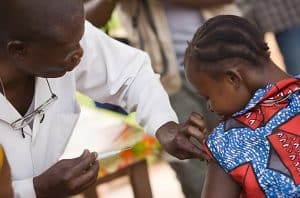
Millions of children worldwide are being put at risk by health systems that are ill prepared to meet their unique needs, the World Health Organization (WHO) has warned.
Marking World Patient Safety Day 2025, the UN health agency launched a global campaign under the theme “Patient safety from the start!” urging governments and health partners to prioritize safe and child-centred care as a foundation for achieving universal health coverage (UHC).
“Every child deserves safe, quality health care from the very beginning,” WHO said in a statement. “Unsafe care is a silent crisis that contributes to millions of preventable deaths every year.”
Unsafe care: a hidden threat to children
Children’s rapid development, reliance on caregivers, and vulnerability to environmental and social factors make them especially susceptible to harm in medical settings. Yet, in many countries, under resourced facilities, overstretched health workers, weak safety systems, and limited family engagement leave them exposed to avoidable risks.
Research shows that harmful incidents are widespread: up to one in two children admitted to hospital wards experience harm, with even higher rates reported in intensive care units. The most common causes include medication and diagnostic errors, infections acquired in hospitals, surgical complications, and problems linked to medical devices.
Children with special medical needs or those dependent on medical technology are particularly at risk, facing significantly higher chances of adverse events.
“Unsafe care does not only result in immediate harm,” WHO noted. “It can lead to lifelong disabilities, extended hospital stays, and financial strain on families while also undermining trust in health systems.”
A global priority
The WHO Global Patient Safety Action Plan 2021–2030 highlights paediatric safety as a critical area for intervention. The agency stressed that preventing harm in early life not only reduces child mortality but also strengthens health systems and accelerates progress toward UHC.
Evidence suggests that over half of patient harm can be prevented. Improving the quality of care alone could save up to one million newborns every year. Engaging patients and families in care has been shown to cut harm by as much as 15 percent, while safer care overall reduces costs by preventing complications and shortening hospital stays.
Call to action
WHO is urging governments, health leaders, workers, parents, and civil society to step up efforts to protect children from unsafe care. Governments and health leaders are being asked to place paediatric safety at the centre of national health strategies, supported by investment in training, infrastructure, and data systems.
Health workers are encouraged to deliver safe, child centred care that is adapted to the specific needs of each child. Parents and caregivers are urged to play an active role by asking questions, staying informed, and speaking up when needed. WHO also calls on educators to empower children to understand and engage in their own health care, while civil society is urged to advocate for safe care in underserved and crisis affected communities.
“From birth through childhood, every child deserves a safe start,” WHO said. “Universal health coverage begins with safe care for the youngest among us.”
About The Author


SUBSCRIBE TO OUR NEWSLETTER