African Nations and Global Partners Call for Urgent Investment in Rangeland Restoration

A recent regional dialogue focused on Africa highlighted the critical ecological and economic importance of rangelands, which support over two billion people worldwide, including an estimated 500 million pastoralists. Ahead of the UNCCD COP17 in Mongolia and the 2026 International Year of Rangelands and Pastoralists, global experts and African leaders are pushing to reverse severe land degradation and secure crucial investments for these vital ecosystems.
The Hidden Economic and Climate Value of Rangelands
Rangelands cover over half of the planet and serve as a powerful economic engine, generating approximately $6,000 per acre annually through diverse outputs like meat, milk, fiber, and tourism. Furthermore, they are a massive climate asset, storing about 30% of global carbon, with 90% of that safely sequestered underground where it is highly resilient.
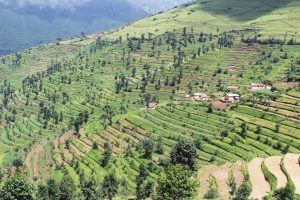
However, nearly a third of global rangelands are currently degraded, fueling poverty and food insecurity while costing the global economy a staggering $300 billion each year. Despite this crisis, experts note that restoration is highly profitable, yielding a $35 return for every single dollar invested.
Global Momentum and The Flagship Initiative
To capitalize on this high return on investment, the UNCCD Global Mechanism is developing a Rangelands Flagship Initiative. The initiative aims to leverage the historic rangelands commitments made by 196 countries at COP16 in Riyadh and launch a pipeline of projects with a $1 billion initial target to be announced at COP17.
African Perspectives and Local Challenges
African nations are actively taking steps to protect their ecosystems, though they face compounding challenges such as climate change, invasive species, weakening land governance, and mobility barriers for pastoralists.
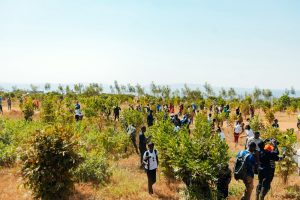
- Kenya: With rangelands making up over 80% of the country, Kenya is integrating rangeland management into its national strategies. While the government has committed to planting 15 billion trees by 2030, experts are carefully evaluating how to ensure these afforestation efforts genuinely support pastoralism and do not negatively impact local rangelands. Kenya will also be hosting World Drought Day on June 17th of this year to maintain global momentum.
- Ethiopia: The livestock sector contributes heavily to Ethiopia’s economy, accounting for 15% of the total GDP. The country is currently facing a “triple threat” of overgrazing, population pressure, and land use change, exacerbated by aggressive bush encroachment. In response, Ethiopia is pioneering participatory rangeland management, organizing communities into cooperatives to improve land tenure security and access innovative carbon credit financing.
- Botswana: Rangelands constitute up to 85% of Botswana’s national territory and support 71% of its farmers. The country has successfully mobilized approximately $97 million in climate and public finance—primarily through the Green Climate Fund—to support ecosystem-based adaptation and mitigation. Looking ahead, Botswana is championing regional coalitions to foster transboundary rangeland and wildlife initiatives within the SADC region.
As stakeholders prepare for COP17, the resounding message from the dialogues is clear: investing in rangelands is no longer a charitable endeavor, but a highly profitable and essential climate strategy for both governments and private investors.
About The Author


SUBSCRIBE TO OUR NEWSLETTER