Silence in the Canopy: The Environmental Toll of the DRC’s Escalating Conflict

GOMA, Democratic Republic of Congo – While the human cost of the renewed conflict in the eastern Democratic Republic of Congo (DRC) is documented in the displacement of millions, a quieter catastrophe is unfolding within the nation’s ancient rainforests. As of March 2026, the resurgence of the M23 rebel group and a patchwork of decentralized militias has pushed the country’s conservation infrastructure to the brink of collapse, transforming world-renowned national parks into active battlefields and hubs for illegal resource extraction.
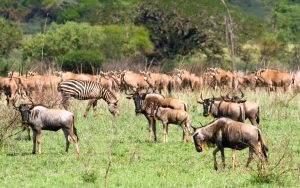
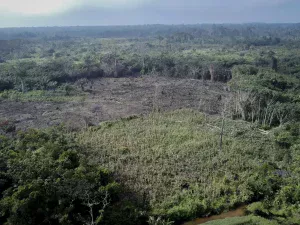
The environmental fallout is most visible in Virunga National Park, Africa’s oldest protected area. Recent aerial surveys and ranger reports indicate a devastating 50% decline in general wildlife populations since the intensification of fighting in 2021. The park’s administrative heart has been stifled, with nearly 35% of its territory currently inaccessible to conservationists due to rebel occupation. This “no-go zone” has become a sanctuary for poaching and the illicit charcoal trade, the latter of which is estimated to funnel approximately $20 million annually into the coffers of armed groups. The felling of old-growth trees for charcoal not only strips the habitat of endangered mountain gorillas but also accelerates the carbon emissions of a region often called the “second lung of the world.”
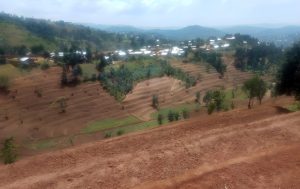
The crisis extends south to Kahuzi-Biega National Park, where the pace of deforestation has reached an alarming fever pitch. In 2023 alone, the park lost over 1,170 hectares of forest cover within its charcoal production zones—a rate more than double the historical average. This habitat loss is compounded by the desperate needs of nearly 8 million internally displaced persons (IDPs).

With little to no humanitarian access in remote corridors, displaced communities are forced to rely on the forest for fuel, bushmeat, and temporary shelter, creating an inadvertent but heavy ecological footprint on some of the planet’s most sensitive ecosystems.
The violence has also targeted the human shield of nature: the park rangers. Since the mid-1990s, over 200 rangers have been killed in the line of duty, with 2025 seeing a sharp increase in ambushes against patrols. This insecurity has paralyzed scientific research. The renowned CRSN-Lwiro research center near Bukavu was recently overrun, forcing the evacuation of scientists and the suspension of decades-long studies on biodiversity.
However, amidst the wreckage, there are small signs of resilience. Despite the surrounding artillery fire, Virunga’s rangers confirmed the birth of eight mountain gorilla infants in 2025, a testament to the species’ endurance. Furthermore, the Congolese government has recently launched the Kivu-Kinshasa Green Corridor (CVKK), a strategic initiative designed to link reforestation efforts with economic stabilization in conflict-affected zones. Whether these efforts can outpace the rate of destruction remains a question of international political will and the silencing of guns.
References:
- Virunga National Park: “Impact of Congo War on Virunga National Park” (2025/2026 update).
- Mongabay: “The Environmental Toll of the M23 Conflict in Eastern DRC” (Analysis, March 2025).
- Nature Sustainability: “Conflict-driven disruption of biodiversity research in the Albertine Rift” (January 2025).
- United Nations Environment Programme (UNEP): “The Role of Natural Resources in DRC’s Protracted Conflict” (2025 Report).

SUBSCRIBE TO OUR NEWSLETTER